Discovering you’re pregnant brings a mix of excitement and questions about what’s safe for you and your growing baby. One common concern many expecting mothers share is whether yoga remains a safe practice during the first trimester. The good news? You can safely practice yoga during the first trimester as long as you follow safety precautions and modify certain poses.
At Mom’s Preg Ladder, we understand the unique challenges of early pregnancy. Let’s explore everything you need to know about practising yoga safely during your first twelve weeks.
Understanding Yoga During Early Pregnancy
The first trimester marks a time of dramatic changes in your body. Your uterus expands, hormone production increases, and blood volume rises. These changes often bring fatigue, nausea, and mood swings. This is where gentle movement—and early pregnancy classes designed specifically for the first trimester—becomes your ally.
Yoga safe during pregnancy offers a low-impact way to stay active while supporting your changing body. Research shows that yoga may reduce stress, anxiety, and depression during pregnancy. The practice combines physical postures with breathing exercises and meditation, creating a balanced approach to prenatal wellness, especially when guided through structured early pregnancy classes that prioritize safety and comfort.
Key Benefits of First Trimester Yoga Practice
Physical Health Improvements
Yoga asanas build strength, improve flexibility, and release tension during the first trimester. Many women find relief from common pregnancy symptoms through regular practice. Morning sickness may ease, headaches can reduce, and digestion often improves.
The gentle stretching and strengthening exercises help prepare your body for the months ahead. Your pelvic muscles gain strength, which supports pregnancy yoga classes and childbirth. Blood circulation improves, ensuring oxygen-rich blood reaches your developing baby.
Mental Wellness Support
Your emotional well-being matters just as much as physical health. Research found that prenatal yoga offers less stress and a stronger immune system. The breathing techniques and meditation aspects teach you to stay calm and centred.
Sleep patterns often improve with regular yoga practice. A good sweat session has been shown time and again to improve sleep. This becomes particularly valuable when pregnancy symptoms disrupt your rest.
Labour Preparation
Starting yoga early sets the foundation for the entire pregnancy journey. Yoga teaches you deep breathing techniques helping you to relax and ease stress, which is vital when going into labour. Learning these skills now means you’ll have months to master them before delivery day.
Safe Yoga Poses for First Trimester
Your practice should focus on poses that build strength while releasing tension. Here’s what works well:
- Tree Pose (Vrksasana): This balancing posture improves alignment and builds strength in your back, core, and legs. Use a wall for support if needed.
- Cat-Cow Pose: This pose helps the spine stay mobile and is a gentle way to strengthen the core. The flowing movement between positions soothes lower back discomfort.
- Child’s Pose: A restorative position that calms the nervous system and stretches the hips and back gently.
- Easy Pose (Sukhasana): This yoga pose is both calming and relaxing, perfect for meditation and breathing practice.
- Warrior II: This standing pose builds leg strength and opens the hips, helping you adapt to your changing centre of gravity.
At Mom’s Preg Ladder, we recommend working with qualified instructors who understand pregnancy modifications. A skilled teacher ensures your practice remains both safe and effective.
Poses to Avoid During First Trimester
Understanding which poses to skip matters as much as knowing safe options. Here’s what to avoid:
Deep Twisting Poses
Twists such as Revolved Triangle Pose or Half Lord of the Fishes Pose can put pressure on your abdominal area and restrict blood flow to your uterus. If you want to include twists, keep them gentle and open, twisting away from your midline rather than compressing your abdomen.
Intensive Belly-Down Poses
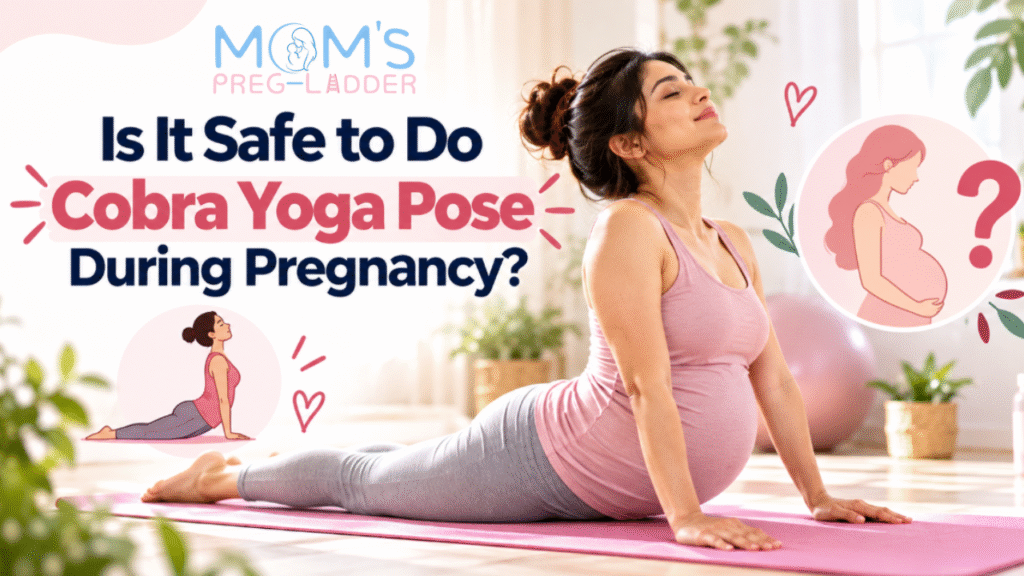
Skip Bow Pose and Locust Pose as they create too much pressure on the lower belly. While you might manage gentle Cobra or Sphinx poses in early pregnancy, listen to your body’s signals.
Hot Yoga Classes
Practising hot yoga should be avoided due to increased risk of neural tube defects and other malformations from excessive heat exposure. Room temperatures in hot yoga classes reach 35-40°C, which can raise your core body temperature to unsafe levels.
Full Inversions
Headstands and handstands carry risk of falling and injury. These poses put your head below your heart level, increasing your chances of feeling dizzy. Save these advanced poses until after pregnancy.
Safety Guidelines for Prenatal Yoga Practice
Following proper safety measures ensures your practice benefits both you and your baby:
Get Medical Clearance: Always consult your doctor before starting any exercise programme during pregnancy. This becomes especially necessary if you have medical concerns or pregnancy complications.
Listen to Your Body: Pregnancy hormones loosen your muscles and ligaments, which increases the risk for injuries if you push yourself too far. The hormone relaxin peaks during the first trimester, making you more prone to overstretching.
Stay Hydrated: Drink plenty of water before, during, and after your practice. Proper hydration supports increased blood volume and helps prevent overheating.
Choose the Right Class: Look for certified prenatal yoga instructors. The British Wheel of Yoga recommends that you don’t attend a yoga class before you’re 15 weeks pregnant unless it’s specifically designed for early pregnancy.
Modify as Needed: Place your feet wider than your hips in standing poses to give your growing belly more room and provide better stability.
When to Stop and Seek Help
Certain symptoms require immediate attention. Stop practising and call your doctor if you experience:
- Vaginal bleeding or fluid leakage
- Severe headaches or vision changes
- Chest pain or difficulty breathing
- Dizziness or fainting
- Decreased foetal movement (later in pregnancy)
- Regular painful contractions
Your safety and your baby’s wellbeing always come first. Never push through pain or discomfort during your practice.
Creating Your First Trimester Yoga Routine
Building a sustainable practice starts with realistic expectations. Here’s what works:
- Start Slowly: If you’re new to yoga, begin with 10-15 minute sessions. Gradually increase duration as your energy allows.
- Focus on Breath: Pranayama (breathing exercises) forms the foundation of yoga practice. Prenatal yoga in the first trimester can help open the diaphragm and teach breathing techniques to help you cope with symptoms.
- Practice Regularly: Consistency matters more than intensity. Three 20-minute sessions weekly often work better than one long session.
- Use Props: Blocks, bolsters, and straps make poses more accessible and comfortable. Don’t hesitate to use support when needed.
- Join a Community: At Mom’s Preg Ladder, we believe in the power of connection. Finding other expecting mothers creates valuable support networks.
Choosing Between Regular and Prenatal Classes
If you practised yoga before pregnancy, you might wonder whether to continue regular classes or switch to prenatal sessions. Understanding the impact of early pregnancy classes on bonding with your baby can help guide that choice.
Regular Classes:
You may continue attending regular yoga classes if you inform your instructor about your pregnancy. An experienced teacher can help you modify postures to suit your trimester and physical changes. While these classes support flexibility and strength, they may place less emphasis on mindful connection with your baby.
Prenatal Classes:
These specialised sessions are designed entirely around pregnancy needs. The pace is gentler, modifications are built in, and breathing and relaxation practices often focus on awareness of your baby’s movements. Many women report that prenatal classes deepen emotional connection, highlighting the impact of early pregnancy classes on bonding with your baby through intentional breathwork, visualisation, and shared experiences with other expecting mothers.
Many women find a combination works well. Gentle Hatha or restorative classes can complement prenatal sessions, offering physical balance while nurturing both emotional wellbeing and early bonding with your baby.
Common Concerns About First Trimester Yoga
“Will yoga cause miscarriage?”
It’s safe to practice yoga during the first trimester as long as you follow safety precautions, modify as needed, and stay away from certain poses. Gentle yoga poses do not cause miscarriage. Some studios prefer students wait until after 12-15 weeks due to the natural miscarriage risk during early pregnancy, but this is a precaution, not because yoga causes problems.
“What if I feel too tired or nauseous?”
You may feel fatigued and sick during the first trimester, so avoid overworking yourself and do poses slowly and carefully. Some days, gentle stretching or meditation alone might be all you can manage. That’s perfectly fine.
“Can yoga help with morning sickness?”
Yoga may help reduce headaches, alleviate morning sickness, and improve digestion. Gentle poses and breathing exercises can ease nausea, though they won’t eliminate it entirely.
The Role of Breathing Exercises
Pranayama deserves special attention during pregnancy. Different breathing techniques serve different purposes:
- Ujjayi Breathing: This “ocean breath” involves slowly inhaling through your nose and gently constricting the back of your throat. The calming sound helps you focus and reduces anxiety.
- Alternate Nostril Breathing: This balancing technique calms the nervous system and reduces stress. Avoid holding your breath; keep the flow gentle and continuous.
- Deep Belly Breathing: Place your hand on your belly and breathe deeply, feeling your abdomen expand. This oxygenates your blood and calms your mind.
Avoid any breathing exercises that require breath retention or rapid belly movements. Keep all breathwork gentle and comfortable.
Moving Forward with Confidence
Yoga offers a gentle, effective way to support your body and mind during the first trimester. By following safety guidelines, choosing appropriate poses, and listening to your body, you create a practice that nurtures both you and your growing baby. Many expectant mothers also ask does prenatal yoga help with labor pain, and growing evidence suggests that early, consistent yoga practice can improve pain tolerance, breathing control, and emotional readiness for labour later in pregnancy.
Remember that every pregnancy journey is unique. What works perfectly for one woman might not suit another. At Mom’s Preg Ladder, we encourage you to honour your individual experience and adjust your practice accordingly.
Connect with qualified prenatal yoga instructors, maintain open communication with your healthcare provider, and trust your instincts. Your body knows what it needs. Yoga during pregnancy isn’t about achieving perfect poses or maintaining your pre-pregnancy routine. It’s about creating space for connection, building strength for the journey ahead, and cultivating calm during a time of tremendous change.
Start where you are, use what you have, and do what you can. Your yoga practice during the first trimester lays a strong foundation for a healthy, mindful pregnancy—and may play a meaningful role in how you experience labour and birth.
Frequently Asked Questions
Q1: Can I start yoga during my first trimester if I’ve never done it before?
Yes, you can begin yoga during early pregnancy even without previous experience. Choose beginner-friendly prenatal classes or gentle Hatha yoga. Start with basic poses and focus on proper breathing. Always inform your instructor about your pregnancy and listen to your body. Many women find the first trimester an ideal time to establish a practice that will support them throughout pregnancy and beyond.
Q2: How often should I practise yoga during the first trimester?
Aim for 2-3 sessions weekly, lasting 20-30 minutes each. Quality matters more than quantity during early pregnancy. Your energy levels may fluctuate significantly during the first trimester, so adjust your practice accordingly. Some days you might feel energised and complete a full session, while other days a gentle 10-minute stretch is enough. Listen to your body’s needs.
Q3: Is it safe to do downward-facing dog during the first trimester?
A study published in Obstetrics and Gynecology found downward-facing dog is safe to practice during pregnancy for women who have no health or pregnancy complications. This pose strengthens arms and shoulders while stretching the back. If you feel dizzy or uncomfortable, modify by placing your hands on a wall or chair instead of the floor.
Q4: What are the warning signs to stop yoga immediately during pregnancy?
Stop your practice immediately if you experience sharp pain, vaginal bleeding, severe dizziness, difficulty breathing, chest pain, or contractions. Mild muscle soreness is normal, but sharp or intense pain signals a problem. Contact your healthcare provider right away if you notice any concerning symptoms. Your safety and your baby’s wellbeing always take priority over completing a pose or session.
Q5: Can yoga really help prepare me for labour and delivery?
Yes, prenatal yoga provides several benefits for labour preparation. The breathing techniques you learn help manage pain and stay calm during contractions. Strengthening your pelvic floor muscles supports the birthing process. Women who did yoga had a lower preterm labour rate and lower risk of pregnancy-induced hypertension in research studies. The mental focus and body awareness developed through yoga serve you well during delivery.