

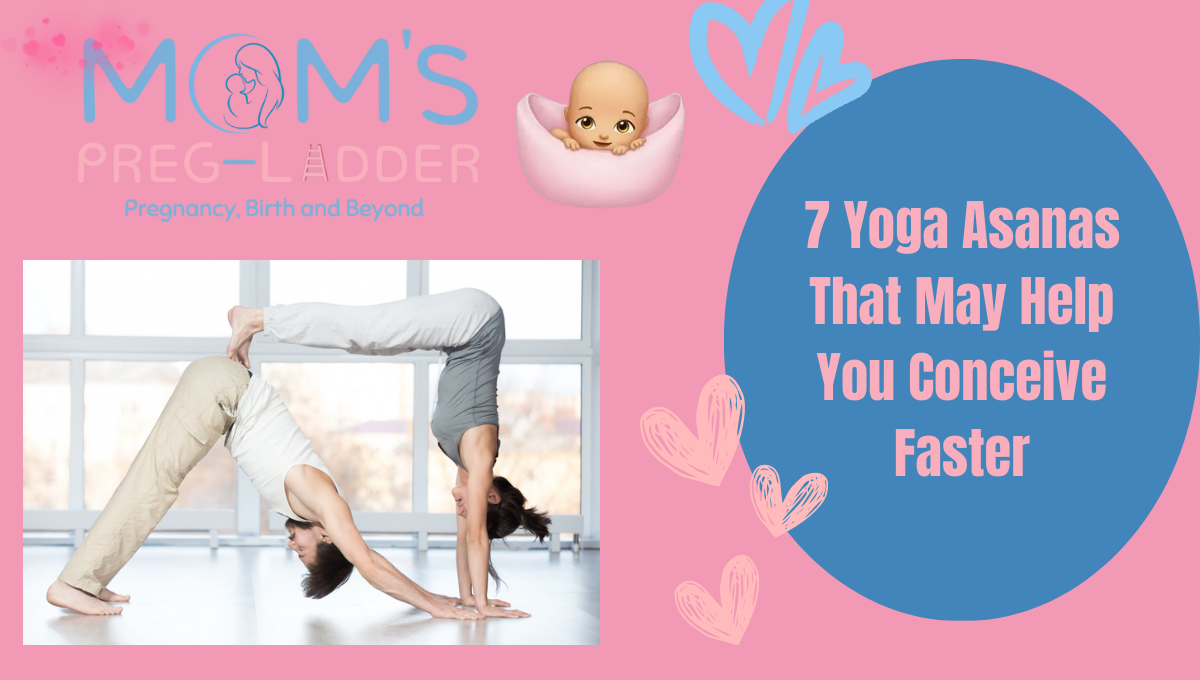
Trying to conceive can be both exciting and challenging. While medical advice remains paramount, many couples are exploring complementary approaches to support their fertility journey. Yoga for fertility has gained attention as a gentle, holistic practice that addresses both physical and emotional well-being.
Mom’s Preg Ladder recognizes that fertility struggles affect millions of couples worldwide. Stress, hormonal imbalances, poor blood circulation to reproductive organs, and lifestyle factors can all impact conception. Here is why yoga to conceive has become a popular addition to fertility plans: it combines physical postures, breathing techniques, and relaxation methods that may support reproductive health.
This guide explores seven specific fertility yoga poses backed by research and traditional practice. These asanas may help by reducing stress hormones, improving blood flow to the pelvic region, balancing endocrine function, and creating a calm internal environment conducive to conception.
Understanding the Connection Between Yoga and Fertility
Before diving into specific poses, let’s break it down. Yoga influences fertility through multiple pathways. Research published in the Journal of Alternative and Complementary Medicine indicates that yoga reduces cortisol levels, a stress hormone that can interfere with reproductive hormones.
The practice also stimulates the endocrine system, which governs hormone production. Poses that open the hips and pelvis increase blood circulation to reproductive organs, potentially improving their function. Breathing exercises activate the parasympathetic nervous system, shifting the body from “fight or flight” mode to “rest and digest,” which is more favorable for pre-conception classes.
Regular yoga practice may help regulate menstrual cycles, improve egg quality, and create optimal conditions for implantation. Studies from fertility clinics incorporating yoga into treatment protocols have reported reduced anxiety and improved conception rates among participants.
1. Baddha Konasana (Butterfly Pose)
Baddha Konasana is one of the most recommended fertility yoga poses for good reason. This seated posture opens the hips, stretches the inner thighs, and directs blood flow toward the pelvic region.
How to practice: Sit on the floor with your spine straight. Bend your knees and bring the soles of your feet together, allowing your knees to fall toward the floor. Hold your feet with your hands and gently press your knees down using your elbows. Keep your back straight and breathe deeply for 1-3 minutes.
This asana stimulates the ovaries, prostate gland, bladder, and kidneys. It helps relieve tension in the hip area where emotional stress often accumulates. Women with PCOS or irregular periods may find this pose particularly beneficial as it supports hormonal balance.
The pose also prepares the body for childbirth by increasing flexibility in the pelvic region. Practice this daily, preferably in the morning or evening when your body is more relaxed.
2. Supta Baddha Konasana (Reclining Butterfly Pose)
This variation of Baddha Konasana offers deeper relaxation while providing similar fertility benefits. The reclining position reduces stress and allows for better breathing, which oxygenates reproductive organs.
How to practice: Lie on your back with a cushion or folded blanket supporting your spine. Bring the soles of your feet together and let your knees fall open. Place your arms by your sides, palms facing up. Close your eyes and focus on slow, deep breaths for 5-10 minutes.
This restorative pose activates the parasympathetic nervous system, counteracting the effects of chronic stress. It opens the chest, improves breathing capacity, and creates space in the abdomen for better organ function.
Many fertility specialists recommend this pose during the two-week wait after ovulation or embryo transfer. The gentle opening of the hips combined with complete relaxation may support implantation.
3. Viparita Karani (Legs-Up-The-Wall Pose)
Viparita Karani is a mild inversion that reverses blood flow and promotes relaxation. This yoga to conceive favorite is often practiced after intercourse to support conception, though scientific evidence for this specific timing is limited.
How to practice: Sit sideways next to a wall. Swing your legs up the wall as you lower your back to the floor, forming an L-shape with your body. Your hips should be close to the wall, and your arms can rest by your sides or on your abdomen. Stay in this position for 10-15 minutes, breathing naturally.
This pose reduces swelling in the legs and feet, improves circulation to the pelvic organs, and calms the nervous system. The inversion allows fresh, oxygenated blood to flow toward the reproductive organs while draining stagnant blood and lymph.
It also relieves lower back pain, a common complaint during fertility treatments. The pose requires minimal effort, making it accessible even on days when you feel tired or overwhelmed.
4. Bhujangasana (Cobra Pose)
Bhujangasana strengthens the spine, opens the chest, and stimulates abdominal organs including the uterus. This gentle backbend is part of many fertility yoga sequences.
How to practice: Lie face down with your palms placed beneath your shoulders. Press into your hands to lift your chest off the floor, keeping your elbows slightly bent. Roll your shoulders back and down, lifting through the crown of your head. Hold for 15-30 seconds while breathing deeply, then lower down. Repeat 3-5 times.
This asana increases blood flow to the uterus and ovaries while improving spinal flexibility. It also stimulates the thyroid gland, which plays a role in hormonal regulation and metabolism.
The pose opens the heart center, which some yoga traditions associate with emotional release and receptivity. Avoid this pose during menstruation or if you have any back injuries.
5. Setu Bandhasana (Bridge Pose)
Bridge pose is a gentle backbend that strengthens the pelvic floor, improves circulation to reproductive organs, and reduces stress. Mom’s Preg Ladder often features information about poses like this that combine physical and emotional benefits. When paired with supportive practices such as belly-binding during the postpartum period, Bridge pose can further enhance core awareness and gentle abdominal support as the body heals.
How to practice: Lie on your back with knees bent and feet hip-width apart, flat on the floor. Press into your feet to lift your hips toward the ceiling. Interlace your fingers beneath your back and press your arms into the floor. Hold for 30–60 seconds, breathing steadily, then slowly lower your spine back down. If you practice belly-binding postpartum, you can perform this pose with a soft wrap or binder on for added comfort and stability, as long as it feels supportive and not restrictive.
This pose tones the muscles that support the uterus and improves thyroid function, which affects reproductive hormones. It also opens the chest and lungs, improving oxygen delivery throughout the body. Belly-binding may complement these effects by offering gentle compression that encourages proper posture and core engagement during recovery.
The inversion aspect of this pose (though milder than a full inversion) allows blood to pool in the pelvic region. Regular practice may help regulate menstrual cycles and reduce PMS symptoms, while mindful postpartum support—such as belly-binding combined with gentle yoga—can promote a smoother transition as the body regains strength and balance.
6. Paschimottanasana (Seated Forward Bend)
This calming forward fold stretches the entire back of the body while stimulating the uterus and ovaries. It is particularly beneficial for women experiencing high stress levels during their conception journey.
How to practice: Sit on the floor with legs extended straight in front of you. Inhale and lengthen your spine, then exhale as you hinge forward from your hips. Reach for your feet, ankles, or shins, depending on your flexibility. Keep your back as straight as possible and hold for 1-2 minutes.
Paschimottanasana calms the mind, relieves anxiety, and gently massages the reproductive organs. The forward fold compresses the abdomen, and when you release, fresh blood rushes to these areas.
This pose is traditionally believed to balance energy in the reproductive system. It also helps regulate the menstrual cycle and may ease symptoms of menopause when that time comes.
7. Balasana (Child’s Pose)
Child’s Pose is a resting posture that reduces stress and promotes relaxation. Though simple, it is one of the most beneficial fertility yoga poses for emotional well-being.
How to practice: Kneel on the floor with big toes touching and knees spread wide. Sit back on your heels and fold forward, extending your arms in front of you or alongside your body. Rest your forehead on the floor or a cushion. Breathe deeply and hold for 3-5 minutes.
This restorative pose activates the relaxation response, lowering cortisol and adrenaline levels. It gently compresses the abdomen, providing a light massage to internal organs.
Balasana offers a safe space for emotional release. Many women find that tears or suppressed feelings surface during this pose, which can be therapeutic when dealing with the emotional challenges of trying to conceive.
elementor-template id=”16475″
Best Practices for Fertility Yoga
Consistency matters more than intensity. Practice these poses 4-5 times weekly for best results. Morning practice energizes the body, while evening practice promotes relaxation and better sleep.
Listen to your body throughout your cycle. During menstruation, avoid inversions and intense abdominal compression. Focus on gentle, restorative poses instead. During the follicular phase (after menstruation), you can practice more vigorous sequences. During the luteal phase (after ovulation), emphasize calming, grounding poses.
Combine yoga with pranayama (breathing exercises). Nadi Shodhana (alternate nostril breathing) and Bhramari (humming bee breath) both support hormonal balance and stress reduction.
When to Avoid Certain Poses
Safety comes first. Avoid deep twists, intense inversions, and strong abdominal contractions if you are in the two-week wait after ovulation or undergoing fertility treatments. These movements might interfere with implantation, though research on this remains limited.
If you have endometriosis, PCOS, fibroids, or other reproductive conditions, consult your healthcare provider before starting a yoga practice. Some poses may need modification based on your specific situation.
Never force your body into uncomfortable positions. Fertility yoga should feel nurturing, not painful. Use props like blocks, bolsters, and blankets to support your practice and make poses accessible.
Complementary Lifestyle Factors
Yoga works best when combined with other healthy habits. Maintain a balanced diet rich in folate, iron, omega-3 fatty acids, and antioxidants. Stay hydrated, limit caffeine and alcohol, and avoid smoking.
Quality sleep supports hormonal regulation. Aim for 7-9 hours nightly in a cool, dark room. Manage stress through meditation, journaling, or time in nature.
Consider working with a fertility-focused yoga instructor who understands the unique needs of people trying to conceive. Mom’s Preg Ladder provides resources and information to support your entire pregnancy journey, from conception through postpartum.
The Mind-Body Connection
Perhaps the greatest benefit of yoga for fertility is not physical but psychological. The journey to conception often involves disappointment, anxiety, and grief. Yoga creates a dedicated time to connect with your body, cultivate hope, and practice self-compassion.
Research from Harvard Medical School shows that mind-body interventions, including yoga, significantly improve conception rates among women experiencing infertility. The study found that women who participated in a mind-body program were nearly three times more likely to conceive than those who did not.
Next steps involve creating a sustainable practice that fits your lifestyle. Start with 15-20 minutes daily, gradually increasing as it becomes habitual. Track how you feel physically and emotionally to identify which poses benefit you most.
Frequently Asked Questions
Q: How long should I practice fertility yoga before seeing results?
Most practitioners recommend a minimum of three months of consistent practice. This allows time for hormonal rebalancing and stress reduction. Some women notice improved cycle regularity within 6-8 weeks, while conception timing varies based on individual circumstances. Patience and consistency yield the best outcomes.
Q: Can I practice these poses during my menstrual period?
Yes, but with modifications. Avoid inversions like Viparita Karani during menstruation. Focus on gentle poses like Balasana, Supta Baddha Konasana, and light forward bends. These support the natural downward flow of menstruation while providing comfort from cramps and lower back pain.
Q: Should I continue yoga after a positive pregnancy test?
Consult your healthcare provider first. Many poses are safe during early pregnancy, but some require modification or should be avoided. Gentle, restorative poses generally remain appropriate. Consider transitioning to prenatal yoga classes designed specifically for pregnant women to ensure safety throughout all trimesters.
Q: Can men practice fertility yoga too?
Absolutely. Stress affects male fertility by reducing sperm count and motility. Yoga reduces stress, improves circulation to reproductive organs, and supports overall health. Poses like Bhujangasana, Setu Bandhasana, and Balasana benefit men trying to conceive. Couples practicing together often report feeling more connected during their fertility journey.
Q: What time of day is best for practicing fertility yoga?
Early morning (before breakfast) or evening (before dinner) work well. Morning practice energizes and sets a positive tone for the day. Evening practice releases accumulated stress and promotes better sleep. Choose a time you can maintain consistently, as regularity matters more than specific timing for fertility benefits.