

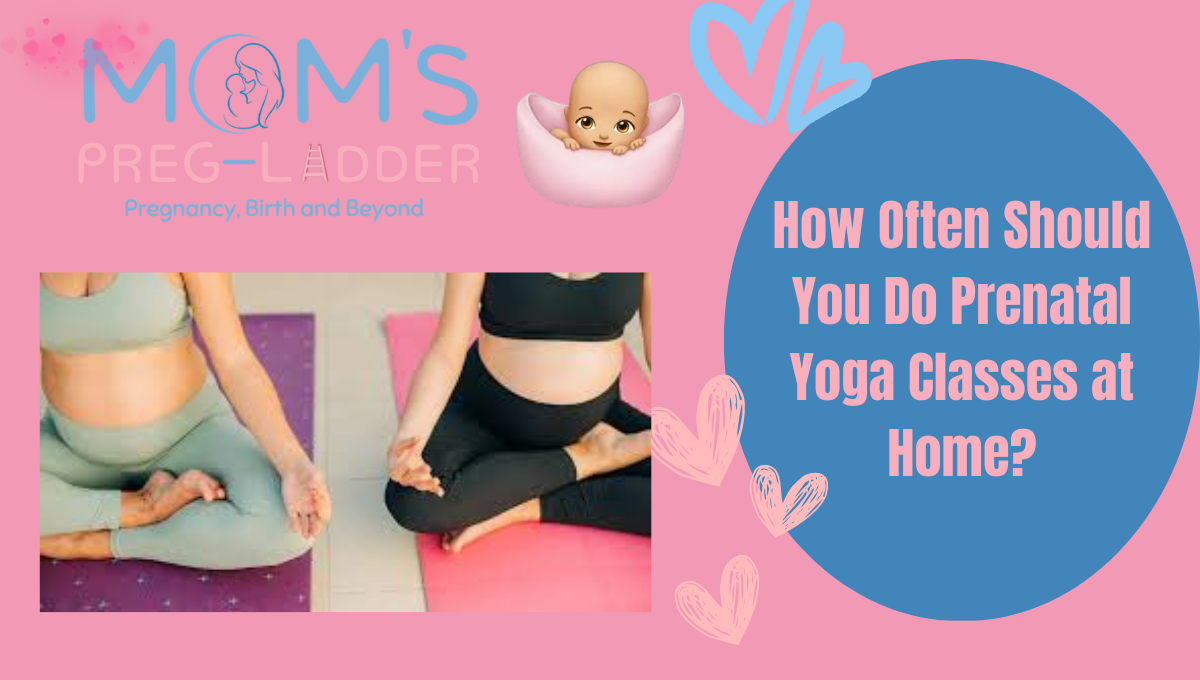
Pregnancy brings with it a whirlwind of physical and emotional changes. Your body is working overtime to create new life, and staying active becomes more important than ever. Prenatal yoga offers a gentle yet effective way to stay fit, reduce stress, and prepare your body for labour. But here’s the question most expecting mothers ask: how often should you practice prenatal yoga classes at home?
Let’s explore the answer and help you build a routine that works for your changing body.
Understanding Prenatal Yoga and Its Benefits
Pre-pregnancy classes is a specially modified form of yoga designed for pregnant women. Unlike regular yoga, it focuses on poses that are safe for your growing belly and shifting centre of gravity. Research suggests that prenatal yoga is safe and can have many benefits for pregnant women and their babies.
Here’s what makes prenatal yoga special during pregnancy:
Physical Benefits: Prenatal yoga strengthens your core, hips, and lower back, areas that support your growing belly. It may also help lower blood pressure, which can be critical to maintaining a healthy pregnancy. Regular practice can reduce common discomforts like back pain, swelling, and hip tightness.
Mental Wellness: The breathing exercises and meditation components help lower stress and anxiety levels. Yoga has been shown to lower stress and anxiety, which can contribute to complications such as premature births and low birthweight.
Labour Preparation: The pelvic floor exercises and breathing techniques you learn in prenatal yoga classes at home can prove extremely useful during delivery. A 2021 analysis in the Journal of Maternal and Child Health found prenatal yoga could shorten labor and reduce labor pain.
How Often Should You Practice Prenatal Yoga at Home?
The frequency of your practice depends on several factors including your fitness level, trimester, and how you’re feeling each day.
General Guidelines for Frequency
Prenatal yoga is safe to be practiced from the first trimester all the way through delivery. Understanding what is prenatal yoga and its benefits during pregnancy helps explain why, depending on the length and intensity of your yoga class, it is generally safe to practice yoga 3 to 5 times a week.
Here’s a more detailed breakdown:
For Beginners:
If you’re new to yoga, start with 2–3 sessions per week. Each session can be as short as 20 minutes. This allows your body to adapt without overexertion. Begin with 20–30 minute sessions, 2–3 times a week.
For Experienced Yogis:
If you’ve practiced yoga before pregnancy, you can maintain a more regular schedule. A couple of times a week is a great place to start, but if you feel comfortable doing more—or even just once a week—that works too.
Daily Practice Option:
Some mothers prefer shorter daily sessions. Begin with a 15-minute routine each day. Spend a few minutes in the morning and evening on your practice. Even 10 minutes of daily practice can help you connect with your body and baby.
Meeting Physical Activity Guidelines
Federal physical activity guidelines recommend pregnant and postpartum women get at least 150 minutes of moderate-intensity physical activity per week, in line with guidelines for all adults.
You can break this down into manageable chunks:
- Five 30-minute sessions per week
- Three 50-minute sessions per week
- Daily 20-minute sessions
- A combination of yoga and other pregnancy-safe activities
The key is consistency rather than intensity. Listen to your body and adjust your schedule based on your energy levels.
Trimester-Specific Guidelines for Prenatal Yoga Classes at Home
Your yoga practice should adapt as your pregnancy progresses. Each trimester brings unique changes that require different approaches.
First Trimester (Weeks 1-13)
The first trimester can be challenging with morning sickness, fatigue, and emotional shifts. You might not feel like exercising at all, and that’s perfectly normal.
Frequency: 2-3 times per week, keeping sessions shorter if you’re feeling tired or nauseous.
What to Focus On: Gentle stretches, breathing exercises, and poses that release tension in your lower back and hips. You can maintain most of your regular yoga poses during this time, with some modifications.
Special Considerations: Some yoga studios and instructors prefer not to work with women in their first trimester due to miscarriage concerns. At home, you have the flexibility to practice at your own pace.
Second Trimester (Weeks 14-28)
Many women experience an energy boost during the second trimester, making it an excellent time to establish a regular routine.
Frequency: 3–5 times per week. This is when you can build consistency in your practice.
What to Focus On: This trimester is ideal for exploring the best 10 second trimester prenatal yoga poses, which typically include strengthening poses for your legs and glutes, gentle balance work (with support), and movements that maintain hip and spinal flexibility. Starting at 20 weeks, avoid lying flat on your back for extended periods due to pressure on the vena cava.
Special Considerations: As your belly grows, you’ll need to widen your stance for certain poses and rely on props like blocks, bolsters, and cushions for added stability and comfort.
Third Trimester (Weeks 29-40)
As you approach your due date, comfort becomes the priority.
Frequency: 3-4 times per week, with shorter sessions if needed. Even 15 minutes can provide relief from late pregnancy discomforts.
What to Focus On: Restorative poses, pelvic tilts, breathing exercises, and positions that help your baby move into the right birthing position. Hip openers and squatting positions are particularly beneficial now.
Special Considerations: Your balance will be off, so always use a wall or chair for support. Avoid any pose that feels uncomfortable or puts pressure on your belly.
Creating Your Home Practice Routine
Practicing prenatal yoga classes at home offers flexibility that studio classes can’t match. You can practice in your pyjamas, take breaks whenever needed, and move at your own pace.
Setting Up Your Space
You don’t need a fancy studio setup. Here’s what will make your practice comfortable:
- A yoga mat or soft surface
- Two yoga blocks (or thick books)
- A bolster or several firm pillows
- Two blankets for support and warmth
- A chair or wall for balance support
Sample Weekly Schedule
Here’s how you might structure your week of prenatal yoga classes at home:
Monday: 30-minute morning flow focusing on hip openers and gentle stretches
Wednesday: 20-minute evening practice with restorative poses and breathing exercises
Friday: 25-minute full-body sequence including strengthening and relaxation
Sunday: 15-minute gentle practice or prenatal-specific routine
Adjust this schedule based on your energy levels and how you’re feeling. Some weeks you might practice more, other weeks less.
Tips for Successful Home Practice
Start Your Day Right: Morning yoga can help with nausea and set a positive tone for the day. A few minutes of gentle stretching and breathing can make a difference.
Evening Relaxation: End your day with a soothing flow. This can include hip circles, cat-cow stretches, and side-lying relaxation poses.
Listen to Your Body: This is the most important rule. If something doesn’t feel right, modify it or skip it entirely. You’re not trying to maintain or improve your pre-pregnancy fitness level.
Stay Hydrated: Pregnant women should drink anywhere from 8 to 12 glasses of water daily. Keep water nearby during your practice.
Breathe Properly: Never hold your breath during poses. You should be able to breathe comfortably and speak normally throughout your practice.
Safety Guidelines for Home Practice
When practicing prenatal yoga classes at home without an instructor present, safety becomes your responsibility.
Get Medical Clearance: Before starting any exercise routine, talk to your healthcare provider. Some conditions may require modifications or make yoga unsuitable.
Avoid Certain Poses: Never do:
- Hot yoga or heated practices
- Poses lying flat on your back after 20 weeks
- Deep abdominal twists
- Intense backbends
- Inversions (unless you were doing them regularly before pregnancy)
- Any pose lying on your belly
Know When to Stop: Stop immediately and contact your healthcare provider if you experience:
- Vaginal bleeding
- Decreased foetal movement
- Contractions or cramping
- Dizziness or shortness of breath
- Chest pain or headaches
Modify as Needed: As your pregnancy progresses, poses that felt fine earlier may become uncomfortable. Always modify or skip poses that don’t feel right.
Platforms for Guided Practice at Home
While Mom’s Preg Ladder offers trimester-specific prenatal yoga classes designed to support your pregnancy journey, you have several options for guided home practice:
Online Classes: Many platforms offer prenatal yoga videos with certified instructors who can demonstrate modifications.
YouTube Videos: Free prenatal yoga flows are available in various lengths, from 10-minute quick sessions to full hour-long classes.
Pregnancy Apps: Some apps include daily yoga routines tailored to your current week of pregnancy.
The advantage of guided classes, like those offered by Mom’s Preg Ladder, is that they’re specifically designed for each trimester, ensuring you’re doing poses that are safe and beneficial for your current stage of pregnancy.
Combining Yoga with Other Activities
Prenatal yoga doesn’t have to be your only form of exercise. You can combine it with other pregnancy-safe activities:
- Walking (30 minutes most days)
- Swimming or water aerobics
- Stationary cycling
- Light strength training
- Pelvic floor exercises
This variety ensures you’re getting comprehensive fitness benefits while keeping your routine interesting.
Common Questions About Frequency
- Can I do prenatal yoga every day?
Yes, if you keep sessions gentle and listen to your body. Daily 15-20 minute practices can be more beneficial than longer sessions 2-3 times per week.
- What if I miss several days?
Don’t stress about it. Pregnancy is unpredictable. Get back to your routine when you feel ready.
- Should I practice on days when I’m tired?
Light stretching and breathing exercises can help with fatigue. But if you’re exhausted, rest is more important.
- Can I practice too much?
While yoga is gentle, overdoing any exercise during pregnancy isn’t recommended. If you’re feeling worn out or sore, scale back.
Special Considerations for Indian Mothers
For expecting mothers in India, prenatal yoga at home offers particular advantages. You can practice in the comfort of your home during hot summer months, adjust your routine around family commitments, and incorporate practices that align with traditional Indian wellness approaches.
Mom’s Preg Ladder, founded by internationally certified childbirth educator Mrs. Swapnil Kaushik, understands the unique needs of Indian mothers and offers online classes that fit into your lifestyle.
Signs You’re Practicing the Right Amount
How do you know if your prenatal yoga frequency is appropriate? Look for these positive signs:
- You feel energised, not exhausted, after practice
- You’re sleeping better
- Back pain and other discomforts are reducing
- You feel more connected to your body and baby
- Your mood and stress levels are improving
- You’re maintaining flexibility and strength
If you’re experiencing soreness, extreme fatigue, or any concerning symptoms, you might be overdoing it.
Adjusting Your Practice Through Pregnancy
Remember, the frequency that works in your first trimester might not work in your third. Be flexible and willing to adjust your routine.
Some days you’ll feel like doing a full 45-minute practice. Other days, 10 minutes of gentle stretching is all you can manage. Both are perfectly fine. The goal isn’t to maintain a rigid schedule but to support your changing body throughout pregnancy.
Prenatal yoga classes at home give you the freedom to honour what your body needs each day. That’s the true beauty of home practice.
Building Long-Term Consistency
The best frequency for prenatal yoga is the one you can maintain throughout your pregnancy. Start with what feels manageable, build gradually, and don’t be hard on yourself when you need to scale back.
Whether you’re following along with online classes from Mom’s Preg Ladder or creating your own routine, consistency matters more than perfection. Even practicing 2-3 times per week throughout your pregnancy will provide significant benefits for both you and your baby.
Your prenatal yoga journey is personal. What works for another expecting mother might not work for you. Pay attention to your body’s signals, stay consistent with whatever frequency feels right, and trust that you’re doing exactly what you and your baby need.
FAQs
Q: Is it safe to start prenatal yoga at home if I’ve never done yoga before?
Yes, prenatal yoga is safe for beginners, even if you’ve never practiced yoga before. Start with basic poses and shorter sessions of 15-20 minutes, 2-3 times per week. Focus on breathing and gentle stretches rather than advanced poses. Consider following certified prenatal yoga instructors through online platforms to ensure proper form and safety.
Q: Can I do regular yoga instead of prenatal yoga during pregnancy?
Regular yoga classes often include poses that aren’t safe during pregnancy, such as deep twists, inversions, backbends, and belly-down positions. Prenatal yoga is specifically designed to accommodate your growing belly and avoid movements that could harm you or your baby. After your first trimester, switching to prenatal-specific classes is highly recommended.
Q: What’s the minimum time I should practice prenatal yoga to see benefits?
Even 10-15 minutes of daily practice can provide benefits, including reduced stress, better sleep, and decreased pregnancy discomforts. The key is consistency rather than duration. Three 20-minute sessions per week will give you noticeable results within a few weeks, including improved flexibility and reduced back pain.
Q: Should I practice prenatal yoga on the days I’m feeling tired or nauseous?
Listen to your body. If you’re experiencing severe fatigue or morning sickness, rest is more important than exercise. On days when you’re mildly tired, gentle stretching and breathing exercises can boost your energy. Start with just 5-10 minutes and see how you feel. You can always stop if it’s too much.
Q: How do I know if I’m practicing prenatal yoga too often or too intensely?
Warning signs of overdoing it include persistent muscle soreness, extreme fatigue that doesn’t improve with rest, decreased foetal movement after practice, dizziness, or shortness of breath that doesn’t resolve quickly. You should be able to speak normally during poses. If you’re experiencing any of these symptoms, reduce your frequency or intensity and consult your healthcare provider.