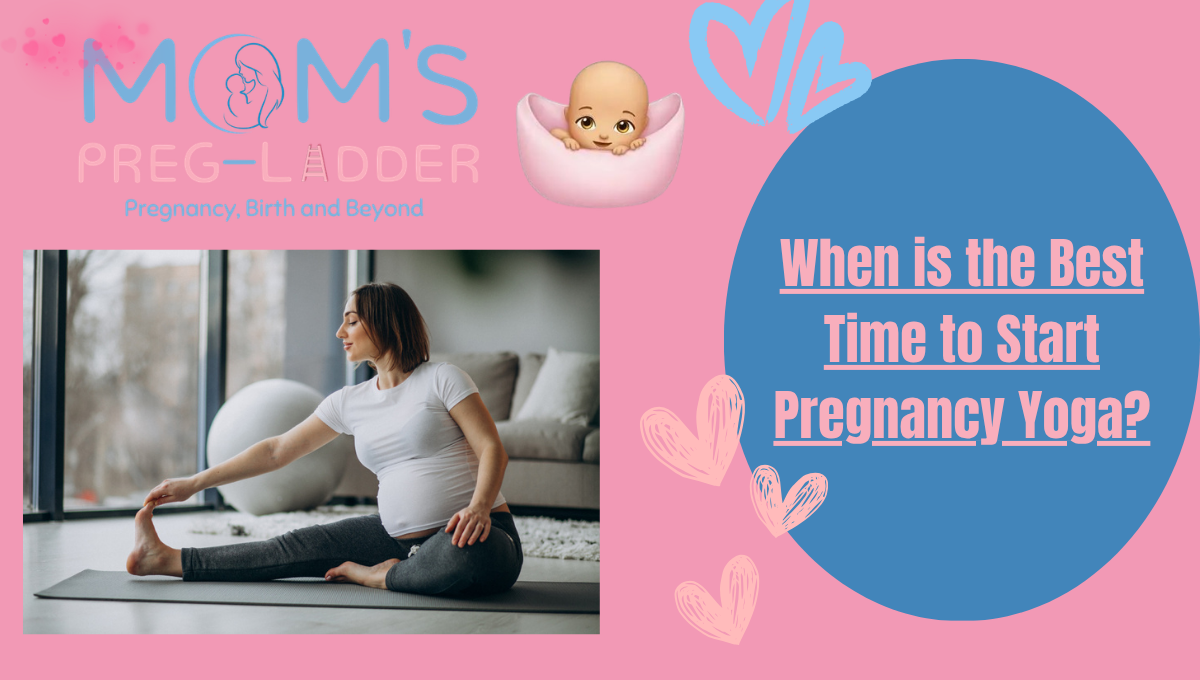
You just found out you are pregnant, and someone tells you to try prenatal yoga. The first question that pops into your head is probably: “Can I start now, or do I need to wait?”
It is a fair question. The answer depends on where you are in your pregnancy, how your body feels, and what your doctor says. This guide breaks down the best time to start pregnancy yoga by trimester, what to expect from each stage, and how to practice safely throughout all nine months.
What Is Prenatal Yoga, and Why Does It Matter?
Prenatal yoga is a modified form of yoga designed specifically for pregnant bodies. It combines gentle stretching, breathing exercises (pranayama), and relaxation techniques that support both physical and emotional well-being during pregnancy.
Research published in multiple peer-reviewed journals confirms that prenatal yoga can reduce stress, anxiety, and depression during pregnancy. Studies from Tommy’s Charity (a UK-based pregnancy research organization) also suggest that regular yoga practice may contribute to shorter labor and a higher likelihood of vaginal delivery.
Here is a quick look at what prenatal yoga can offer:
• Back pain relief through targeted stretches that support the spine and pelvis
• Reduced anxiety and better sleep through breathing and mindfulness techniques
• Pelvic floor strength, which prepares your body for labor and recovery
• Improved circulation and reduced swelling in the legs and feet
• A supportive community if you attend in-person classes
The American College of Obstetricians and Gynecologists (ACOG) recommends 150 minutes of moderate physical activity per week during pregnancy for healthy individuals. Prenatal yoga counts.
The Best Time to Start Pregnancy Yoga: A Quick Answer
If you are looking for a fast answer to share, here it is:
The best time to start pregnancy yoga is the second trimester (weeks 13 to 27). Morning sickness tends to ease up, energy returns, and the risk of miscarriage is lower. That said, yoga can be practiced safely throughout all three trimesters with the right modifications and your doctor’s approval.
Let’s break it down trimester by trimester.
First Trimester (Weeks 1–12): Should You Start Now?
The first trimester is when your body is doing the most behind-the-scenes work. Hormone levels shift dramatically, the placenta is forming, and your baby’s vital organs are developing. Fatigue and nausea are common, and many women simply feel too unwell to move much.
If You Were Already Practicing Yoga Before Pregnancy
Good news: you can keep going. There is no need to stop yoga the moment you see a positive test. Continuing your regular practice with modifications is generally safe. Just inform your instructor that you are pregnant and phase out poses that involve deep abdominal compression, intense backbends, lying flat on your stomach, or hot yoga environments.
If You Are New to Yoga
Starting a brand-new practice in the first trimester is possible but calls for extra caution. Many experts recommend waiting until the second trimester if you have never done yoga before. The risk of miscarriage is statistically higher in the first trimester, and strenuous new activity is not advisable. If you want to start early, stick to gentle breathing exercises, seated stretches, and restorative poses.
What to Avoid in the First Trimester
• Hot yoga or Bikram (overheating is a risk for fetal development)
• Deep closed twists that compress the abdomen
• Jumping or high-impact movements
• Holding your breath during any pose
• Pushing to your pre-pregnancy flexibility limits (the hormone relaxin loosens joints, which increases injury risk)
Even 10 to 15 minutes of gentle movement and breathing can help with nausea and fatigue during this stage.
Second Trimester (Weeks 13–27): The Sweet Spot for Starting Pregnancy Yoga
The second trimester is widely considered the ideal time to start prenatal yoga, especially for beginners. Here is why:
• Morning sickness usually improves around week 12 to 14
• Energy levels tend to rise
• The risk of miscarriage decreases significantly after week 12
• Your belly is visible but not yet large enough to restrict most movements
• You have plenty of time to build a practice before labor
This is when you can comfortably explore poses that open the hips, strengthen the lower back, and build pelvic floor awareness. All of these are directly relevant to labor and delivery.
What to Focus On in the Second Trimester
Hip-opening poses like Baddha Konasana (Butterfly Pose) help loosen the hip joints in preparation for birth.
Modified squats strengthen the thighs and pelvic floor.
Cat-Cow stretches on all fours relieve lower back tension, which becomes a common complaint as your center of gravity shifts.
Starting at around 20 weeks, avoid lying flat on your back for extended discharge periods. The weight of your uterus can press on the vena cava (the major vein that returns blood to your heart), which can reduce circulation to you and your baby.
How Often Should You Practice?
Aim for 2 to 3 sessions per week, starting with 20 to 30 minutes. Build gradually based on how your body responds. Consistency matters more than duration.
Third Trimester (Weeks 28–40): Stay Active, Go Gentle
Many women wonder if yoga is still safe in the final stretch. The answer is yes, with adjustments. Yoga in the third trimester focuses less on strengthening and more on comfort, relaxation, and birth preparation.
Your body is carrying significant extra weight, your balance shifts daily, and Braxton Hicks contractions may make some poses feel uncomfortable. The goal now is to stay mobile, reduce joint pressure, and mentally prepare for labor.
What Works Well in the Third Trimester
• Side-lying relaxation poses (great alternative to lying on your back)
• Supported child’s pose with a bolster between the knees
• Pelvic tilts and cat-cow variations for lower back relief
• Gentle standing poses near a wall for balance support
• Focused breath work to practice the calming techniques you will use during labor
Avoid arm balances, inversions, and deep forward bends. Keep sessions shorter (15 to 20 minutes) if you tire easily, and always prioritize how you feel over completing a full sequence.
When to Skip Yoga Entirely (and Talk to Your Doctor First)
Regardless of trimester, always get clearance from your obstetrician or midwife before starting any exercise program. Some situations call for extra caution or a complete pause:
• Placenta previa (placenta covering the cervix)
• Risk of preterm labor
• Incompetent cervix
• Severe preeclampsia or pregnancy-induced hypertension
• Multiple pregnancies with complications
Stop your practice and call your healthcare provider if you experience vaginal bleeding, dizziness, chest pain, severe shortness of breath, or unusual pain at any point during or after yoga.
How to Find the Right Prenatal Yoga Class
Not all yoga poses are created equal when it comes to pregnancy. Look for instructors specifically trained in prenatal yoga. A qualified teacher knows how to modify poses for each trimester and can spot movements that might cause harm.
If you are in India, platforms like Mom’s Preg Ladder offer trimester-specific prenatal yoga classes designed by certified childbirth educators. Their pregnancy yoga program uses gentle, safe routines tailored to each stage of pregnancy, which takes the guesswork out of figuring out what is appropriate for your body at any given week.
Online classes are also a great option if you prefer practicing at home. Look for instructors who provide a way to ask questions and who clearly state their prenatal teaching credentials.
Trimester-by-Trimester Pregnancy Yoga: Quick Reference
| Trimester | Weeks | Best For | Key Cautions |
| First | 1–12 | Breathing, gentle stretching, continuing existing practice | Avoid hot yoga, deep twists, new intense practice |
| Second | 13–27 | Starting and building a full practice | Avoid back-lying after week 20, deep abdominal work |
| Third | 28–40 | Comfort, breath work, labor prep | Avoid inversions, arm balances, extended back-lying |
Practical Tips to Get Started Safely
Whether you are in week 6 or week 30, these tips apply:
1. Tell your instructor you are pregnant at the start of every class, even if it feels obvious
2. Bring a water bottle and take sips throughout; dehydration increases your risk of Braxton Hicks
3. Use props freely: bolsters, blocks, and straps are your friends
4. Skip any pose that causes discomfort, even if the rest of the class is doing it
5. Cool down properly after each session to help stabilize blood pressure
6. Avoid practicing on an empty stomach: a light snack 30 to 60 minutes beforehand prevents dizziness
Mom’s Preg Ladder emphasizes trimester-specific routines precisely because a pose that feels wonderful at 16 weeks may be completely wrong at 32 weeks. Listen to your body at every session.
The Bottom Line on When to Start
The best time to start pregnancy yoga is whenever your body is ready and your doctor gives the green light, with the second trimester being the most comfortable starting point for most women.
If you were already practicing before pregnancy, gentle modifications from the first trimester work well. If you are new to yoga, wait until around week 12 to 14, when nausea typically settles and energy returns.
The most important rule is simple: stay connected to how you feel. Pregnancy yoga is not about performance or perfection. It is about supporting your body through one of the most physically demanding experiences of your life.
Frequently Asked Questions About Pregnancy Yoga
1. Can I start pregnancy yoga in the first trimester if I have never done yoga before?
It is possible, but most practitioners recommend waiting until the second trimester if you are a complete beginner. The first trimester carries a higher risk of miscarriage, and your body is adjusting to major hormonal changes. Starting with gentle breathing and seated stretches is safer than jumping into a full practice. Always consult your doctor before beginning.
2. Is it safe to do yoga every day during pregnancy?
Daily yoga is generally safe during pregnancy if the sessions are gentle and your doctor has approved exercise. Short sessions of 15 to 20 minutes that focus on stretching, breathing, and relaxation are appropriate for most days. Avoid intense or strenuous practice, especially in the first and third trimesters. Rest on days when fatigue is high.
3. What is the difference between regular yoga and prenatal yoga?
Regular yoga classes are not designed with pregnancy in mind and may include poses that are unsafe for pregnant women, such as deep twists, prone positions, or inversions. Prenatal yoga specifically modifies poses for each trimester, avoids movements that compress the abdomen, and incorporates breathing techniques useful for labor. Always choose a certified prenatal instructor during pregnancy.
4. Can prenatal yoga help with back pain during pregnancy?
Yes. Back pain is one of the most common complaints during pregnancy, particularly in the second and third trimesters. Cat-Cow stretches, supported bridge pose, and gentle hip-opening sequences specifically target the muscles that carry extra load during pregnancy. Regular practice can reduce tension in the lumbar spine and improve posture as your belly grows.
5. What yoga poses should I absolutely avoid during pregnancy?
Avoid hot yoga (any heated room), deep closed twists, prone positions (lying on your stomach), lying flat on your back after 20 weeks, and any inversions or arm balances where a fall is possible. Deep backbends and strong abdominal work like boat pose and crunches should also be skipped. When in doubt, ask a certified prenatal yoga instructor for modifications.