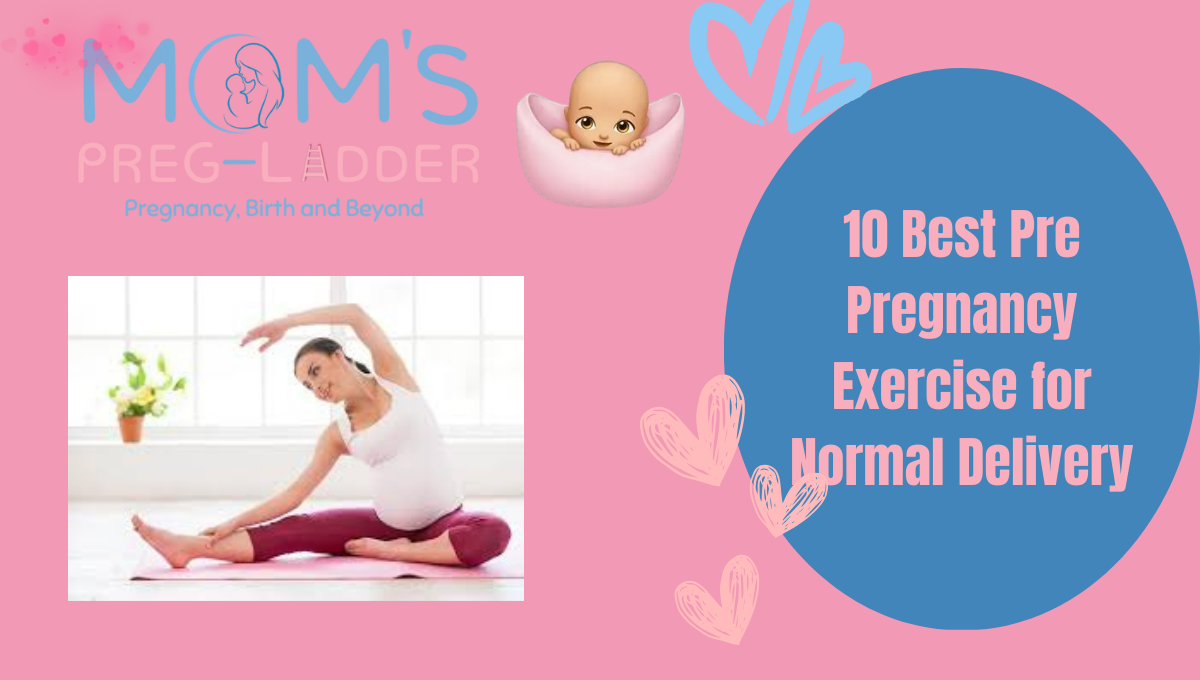
Planning for pregnancy is one of the most beautiful phases of a woman’s life. While you’re preparing your nursery and reading baby books, there’s something just as important to focus on: your body’s readiness for childbirth. Pre pregnancy exercise can make a real difference in how your body handles labour and delivery.
If you’re hoping for a normal delivery, starting the right exercises before you conceive gives your body time to build strength, flexibility, and endurance. Think of it like training for a marathon. You wouldn’t show up on race day without preparation, right? The same goes for childbirth.
At Mom’s Preg Ladder, we understand how overwhelming pregnancy planning can feel. That’s why we’ve put together this guide on the 10 best pre pregnancy exercises that can help prepare your body for a smoother, normal delivery.
Why Pre Pregnancy Exercise Matters for Normal Delivery
Before we jump into specific exercises, let’s talk about why working out before pregnancy is so helpful. Many women also benefit from joining pregnancy yoga classes, which combine gentle movement, breathing, and body awareness to prepare both physically and mentally for childbirth.
The American College of Obstetricians and Gynecologists recommends that pregnant women get at least 150 minutes of moderate-intensity aerobic activity every week. But here’s what many women don’t realise: starting these exercises before pregnancy, including yoga and guided pregnancy yoga classes, gives you an even better foundation.
Pre pregnancy exercise helps you:
Build Core Strength: A strong core supports your growing belly and reduces back pain during pregnancy.
Strengthen Your Pelvic Floor: These muscles do the heavy lifting during pregnancy and childbirth. Research shows that pelvic floor muscle training can prevent urinary incontinence during pregnancy and after delivery.
Improve Flexibility: Flexible hips and a supple pelvis make it easier for your baby to move through the birth canal. Pregnancy yoga classes are especially effective for improving hip mobility and pelvic openness.
Boost Stamina: Labour is physically demanding. Better cardiovascular fitness means you’ll have more energy when you need it most.
Maintain Healthy Weight: Starting pregnancy at a healthy weight reduces your risk of complications like gestational diabetes.
Let’s break down the 10 best exercises you should include in your routine.
1. Walking: The Foundation of Fitness
Walking is hands down one of the simplest yet most effective pre pregnancy exercises. You don’t need special equipment, a gym membership, or even much time.
How to do it: Aim for 30 minutes of brisk walking at least five days a week. Keep a pace where you can still hold a conversation but feel your heart rate increase.
Why it works: Walking strengthens the legs and hip muscles, which can be beneficial during childbirth. It also builds cardiovascular endurance without putting stress on your joints.
Pro tip: Vary your walking routes. Walk uphill sometimes to build leg strength, or try walking on different surfaces like grass or sand to engage different muscles.
2. Pelvic Floor Exercises (Kegels)
If you only do one exercise from this list, make it Kegels. These exercises strengthen the muscles that will support your uterus, bladder, and bowel during pregnancy.
How to do them: Squeeze the muscles you’d use to stop peeing mid-stream. Hold for 3 seconds, then relax for 3 seconds. Repeat 10 to 15 times per session, and do at least 3 sessions every day.
Why they work: If you’re pregnant, you may find that delivery is easier if you do Kegels during pregnancy, as they give you greater control over your pelvic muscles during labour and delivery.
Important note: Don’t actually stop your pee mid-stream regularly, as this can lead to urinary tract infections. Just use that action to identify the right muscles, then practise Kegels at other times.
3. Squats: Building Lower Body Power
Squats are one of the most pregnancy-friendly exercises because they prepare your body for the positions you might use during labour.
How to do them: Stand with feet shoulder-width apart. Lower your body as if sitting in a chair, keeping your back straight and knees over your toes. Push through your heels to stand back up. Start with 10 repetitions and gradually increase.
Why they work: Squats help strengthen the muscles in the legs, hips, and buttocks, and can help open up the pelvis, making it easier for the baby to descend during childbirth.
Safety first: If you’re new to squats, hold onto a sturdy chair or wall for balance. You can also try wall squats where you lean against a wall for support.
4. Pelvic Tilts: Core and Back Support
Pelvic tilts are gentle yet powerful exercises that strengthen your lower back and abdominal muscles.
How to do them: Lie on your back with knees bent and feet flat on the floor. Gently rock your pelvis forward and backward, focusing on controlled movement. You can also do standing pelvic tilts against a wall.
Why they work: These exercises strengthen your lower back, improve posture, and help position your baby correctly for delivery. They’re also great for reducing back pain that commonly appears during pregnancy.
Variation: Once pregnant, you can continue pelvic tilts on all fours, which is safer than lying on your back in later trimesters.
5. Cat-Cow Stretch: Spinal Flexibility
This yoga-inspired movement keeps your spine flexible and relieves tension in your back and pelvis.
How to do it: Get on all fours with hands under shoulders and knees under hips. Arch your back upward (cat position), then gently curve it downward (cow position). Move slowly and rhythmically, doing 10 repetitions.
Why it works: This exercise improves flexibility and relieves tension, helping to ease backache which can be a problem in pregnancy. It also creates space for your baby and encourages optimal foetal positioning.
Breathing tip: Inhale during the cow position and exhale during the cat position. This helps you develop the breathing awareness you’ll need during labour.
6. Butterfly Pose: Hip Opening
The butterfly pose is a seated stretch that opens your hips and stretches your inner thighs, which is exactly what you need for childbirth.
How to do it: Sit on the floor with the soles of your feet together. Let your knees drop toward the floor until you feel a gentle stretch. Hold your feet with your hands and sit tall. Hold for 30 seconds to 1 minute.
Why it works: This pose improves hip flexibility and reduces stress on the lower body. It’s one of the best exercises for preparing your pelvis for the stretching it will need to do during delivery.
Comfort tip: If this feels uncomfortable, sit on a folded blanket or cushion to elevate your hips slightly.
7. Swimming: Full Body Conditioning
Swimming is the perfect low-impact workout that engages almost every muscle group without stressing your joints.
How to do it: Swim laps at a comfortable pace for 20-30 minutes, 2-3 times per week. Mix different strokes to work different muscle groups.
Why it works: The water supports your body weight, making it easier on your joints while still providing resistance for muscle building. Swimming improves cardiovascular fitness and strengthens your core.
Pool alternatives: If you don’t love swimming laps, try water aerobics or even walking in the pool. The resistance from the water still provides an excellent workout.
8. Prenatal Yoga: Mind-Body Connection
Yoga combines strength, flexibility, and breathing techniques, which are all important for labour and delivery.
How to do it: Join a prenatal yoga class or follow online videos designed for pre-pregnancy fitness. Practise for 30-45 minutes, 2-3 times per week.
Why it works: Yoga improves flexibility, teaches breathing control, and helps you develop body awareness. The breathing techniques you learn in yoga can directly translate to managing contractions during labour.
Key poses to include: Child’s pose, warrior poses, and gentle hip openers. Avoid poses that require lying flat on your back for extended periods once you become pregnant.
9. Bridges: Glute and Core Strength
Bridge exercises strengthen your glutes, hamstrings, and core, which all play a role in supporting your pregnancy.
How to do them: Lie on your back with knees bent and feet flat on the floor. Lift your hips off the ground until your body forms a straight line from knees to shoulders. Hold for 5 seconds, then lower. Repeat 10-15 times.
Why they work: Strong glutes and a strong core help support your changing posture during pregnancy and give you the strength needed for pushing during delivery.
Modification: Once pregnant, you can do bridges on an incline (with your upper body elevated) to avoid lying flat on your back.
10. Child’s Pose: Rest and Release
This restorative yoga pose helps relax your pelvic floor and provides a mental break during your workout.
How to do it: Kneel down and sit on your heels, then lean forward slowly and walk your arms out long in front of you, breathing deeply.
Why it works: Child’s pose lengthens pelvic floor muscles and eases discomfort. It’s also a calming pose that helps reduce stress, which is important when preparing for pregnancy.
Comfort adjustment: As mentioned in our research, if it’s uncomfortable to sit your backside on your heels, you can place a cushion between your bottom and heels, or spread your knees wider.
Creating Your Pre Pregnancy Exercise Routine
Now that you know the 10 best exercises, how do you put them together into a routine?
Sample Weekly Plan:
Monday: 30 minutes walking + 10 minutes Kegels and pelvic tilts
Tuesday: 30 minutes prenatal yoga
Wednesday: 20 minutes swimming + 10 minutes stretching
Thursday: Strength training (squats, bridges, cat-cow stretches)
Friday: 30 minutes brisk walking
Saturday: Yoga or swimming
Sunday: Rest or gentle stretching
Remember, consistency matters more than intensity. Mom’s Preg Ladder encourages starting slowly and gradually building up your fitness level.
Safety Guidelines for Pre Pregnancy Exercise
Before starting any new exercise programme, here are some safety tips to keep in mind. Many couples also find pre-pregnancy classes for parents helpful, as these classes offer expert guidance on safe movement, body changes, and preparation for conception.
Talk to Your Doctor: Especially if you have any pre-existing health conditions or have been inactive.
Listen to Your Body: If something hurts, stop. You should feel challenged but not in pain.
Stay Hydrated: Drink water before, during, and after exercise.
Warm Up and Cool Down: Spend 5–10 minutes warming up before exercise and cooling down afterwards to prevent injury.
Avoid Overheating: Exercise in temperature-controlled environments and wear breathable clothing.
Focus on Form: It’s better to do fewer repetitions with proper form than many repetitions incorrectly.
Be Patient: Building fitness takes time. Give yourself at least 3–6 months of consistent exercise before trying to conceive if possible.
Additional Benefits of Pre Pregnancy Exercise
Beyond preparing for normal delivery, pre pregnancy exercise offers other advantages:
Faster Fertility: Regular moderate exercise can help regulate hormones and improve fertility.
Better Pregnancy Experience: Women who exercise before pregnancy often experience fewer pregnancy discomforts like back pain, swelling, and fatigue.
Quicker Recovery: If you’re fit before pregnancy, you’ll likely recover faster after delivery.
Reduced Risk of Complications: Exercise helps maintain healthy blood sugar levels, blood pressure, and weight, all of which reduce pregnancy complications.
Better Mental Health: Regular exercise reduces stress and anxiety, helping you approach pregnancy with a positive mindset.
When to Modify or Stop Exercising
While exercise is generally beneficial, there are times when you should modify or stop. Understanding what is early pregnancy and why you should take an early pregnancy class can help you recognise important physical changes and exercise limitations during this sensitive phase.
Stop exercising and contact your doctor immediately if you experience:
- Dizziness or feeling faint
- Shortness of breath before starting exercise
- Chest pain
- Headache
- Muscle weakness
- Calf pain or swelling
- Vaginal bleeding (once pregnant)
- Regular painful contractions (once pregnant)
Early pregnancy classes educate parents on safe movement, warning signs, and body awareness, helping you adapt exercise routines responsibly while protecting both you and your baby.
Making Exercise a Habit
The hardest part of any exercise routine isn’t doing the exercises, it’s staying consistent. Here are tips to help you stick with it:
Schedule It: Treat your workout time like any other important appointment.
Find a Buddy: Exercise with a friend who’s also planning for pregnancy. You’ll keep each other accountable.
Track Progress: Keep a simple log of your workouts. Seeing your progress is motivating.
Mix It Up: Don’t do the same routine every day. Variety keeps things interesting.
Celebrate Small Wins: Did you walk three times this week? That’s worth celebrating.
Be Flexible: If you miss a workout, don’t beat yourself up. Just get back on track the next day.
Mom’s Preg Ladder reminds you that every bit of movement counts. Even 10 minutes of exercise is better than none.
Final Thoughts
Preparing your body for pregnancy and childbirth through exercise is one of the best gifts you can give yourself and your baby. The 10 pre pregnancy exercises we’ve covered, from walking and Kegels to yoga and swimming, create a solid foundation for a healthy pregnancy and normal delivery.
Remember, the journey to motherhood starts long before you see those two lines on a pregnancy test. By taking care of your body now, you’re setting yourself up for a more comfortable pregnancy, an easier delivery, and a faster postpartum recovery.
At Mom’s Preg Ladder, we’re here to support you through every step of your pregnancy journey. Start with small, manageable goals and be patient with yourself. Your body is preparing for something amazing.
Ready to get started? Choose one or two exercises from this list today and begin building your routine. Your future self, and your baby, will thank you.
Frequently Asked Questions
Q1: How long before pregnancy should I start exercising?
Starting at least three to six months before you plan to conceive is ideal. This gives your body time to build strength and stamina gradually. If you’re already active, you can continue your current routine with some modifications. If you’re new to exercise, begin slowly with low-impact activities like walking and gradually increase intensity. The goal is to establish consistent habits before pregnancy, as women who habitually engaged in vigorous-intensity aerobic activity before pregnancy can continue these activities during pregnancy and the postpartum period.
Q2: Can exercise really help me have a normal delivery?
Yes, regular exercise can increase your chances of a normal delivery. Exercise strengthens the muscles you’ll use during labour, improves your stamina, and helps maintain optimal foetal positioning. Research shows that women who exercise regularly during pregnancy have shorter labour times and are less likely to need cesarean delivery. Strong pelvic floor muscles, in particular, give you better control during pushing and support faster recovery after birth.
Q3: What if I’ve never exercised before?
That’s okay. Start with the gentlest exercises like walking and pelvic tilts. Even 10 minutes a day makes a difference. One of the big myths is that if you don’t usually exercise, you shouldn’t start during pregnancy. Pregnancy is actually an ideal time to start exercising for the first time. Focus on building consistency first, then gradually increase duration and intensity as your fitness improves.
Q4: Are there exercises I should avoid when preparing for pregnancy?
Avoid exercises with high risk of falling or abdominal trauma, like horseback riding, skiing, or contact sports. High-impact activities can be fine if you’re already doing them, but be cautious with exercises that put excessive strain on your joints. Once pregnant, you’ll need to avoid lying flat on your back for extended periods and exercises that cause pain or discomfort. Always listen to your body and stop if something doesn’t feel right.
Q5: How do I know if I’m doing Kegels correctly?
To check if you’re doing Kegels properly, insert a clean finger into your vagina and try to squeeze the muscles around it. You should feel the muscles tighten and lift. Don’t tighten your stomach, thighs, or buttocks while doing Kegels. If you’re unsure, a pelvic floor physical therapist can assess whether you’re performing them correctly and provide personalised guidance. Many women benefit from professional instruction to ensure they’re engaging the right muscles.