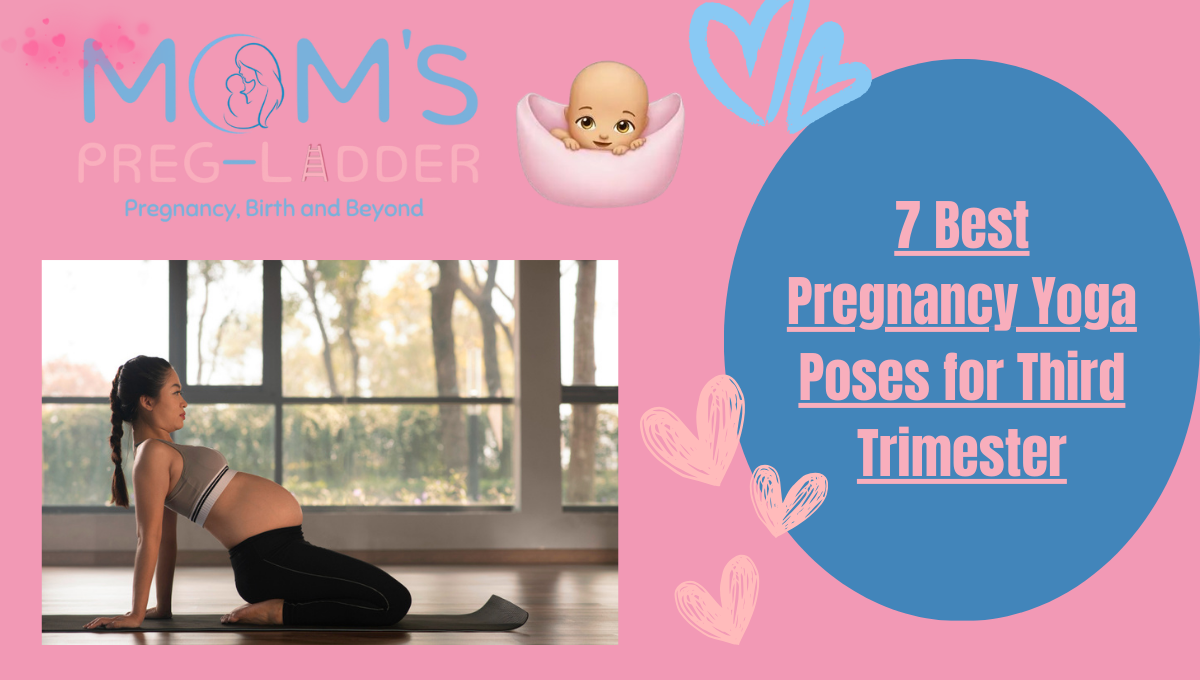
The third trimester brings both excitement and physical challenges as your body prepares for childbirth. During these final weeks, staying active becomes more important than ever, yet finding comfortable movement can feel difficult. Third trimester yoga offers a gentle, effective way to ease discomfort, build strength, and prepare your body and mind for labour.
Many expecting mothers discover that yoga helps relieve common late-pregnancy symptoms like back pain, swelling, and sleep troubles. The right poses can open your hips, strengthen your pelvic floor, and teach breathing techniques that prove helpful during delivery. Let’s explore seven pregnancy yoga poses designed specifically for the third trimester, all safe and beneficial for mothers approaching their due date.
Why Third Trimester Yoga Matters
Your body undergoes remarkable changes during the final three months of pregnancy. Your baby gains significant weight, your centre of gravity shifts forward, and hormones like relaxin loosen your joints and ligaments. These changes often lead to lower back pain, sciatica, and pelvic discomfort.
Regular yoga practice during this time helps counteract these discomforts while offering mental benefits. Research shows that pregnancy yoga classes can reduce anxiety, improve sleep quality, and even shorten labour duration. The breathing exercises you practise on the mat translate directly to pain management techniques during contractions.
At Mom’s Preg Ladder, we understand how third trimester yoga supports mothers through this transformative period. The following poses address specific needs of late pregnancy while remaining safe and accessible.
elementor-template id=”16475″
Safety Considerations Before You Begin
Before starting any exercise routine during pregnancy, consult your healthcare provider. Once you receive clearance, keep these guidelines in mind:
- Avoid lying flat on your back after 20 weeks to prevent restricted blood flow
- Skip deep twists and poses that compress your abdomen
- Never push into pain or discomfort
- Stay hydrated and avoid overheating
- Use props liberally for support and comfort
- Listen to your body and rest when needed
Now, let’s break down the seven best poses for your third trimester practice.
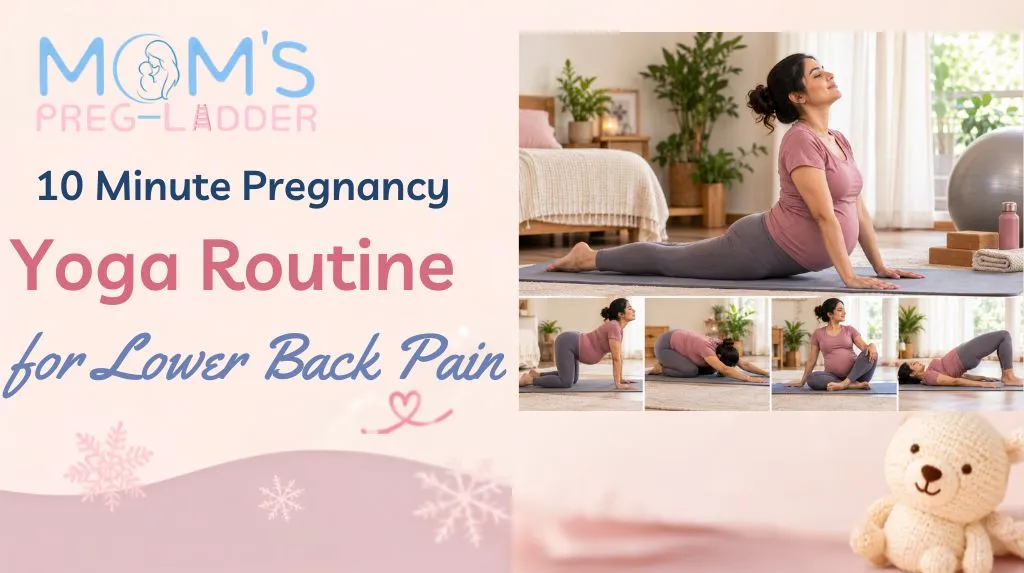
1. Cat-Cow Pose (Marjaryasana-Bitilasana)
This gentle flowing movement relieves back pain and helps position your baby optimally for birth.
How to practise: Start on your hands and knees with wrists under shoulders and knees under hips. As you inhale, drop your belly towards the floor, lift your chest and tailbone, and gaze forward (Cow). As you exhale, round your spine towards the ceiling, tuck your chin, and draw your tailbone down (Cat). Flow between these positions for 8-10 breaths.
Benefits: Cat-Cow stretches your spine, strengthens your core muscles, and creates space in your pelvis. The gentle rocking motion can soothe your baby and ease back tension. This pose also encourages optimal foetal positioning, particularly when practised regularly.
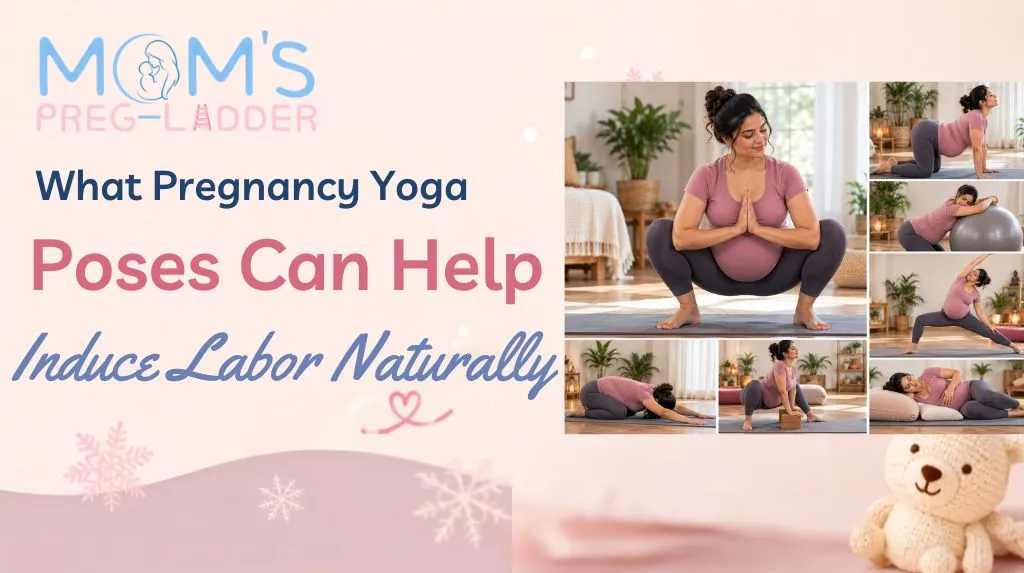
2. Supported Squat (Malasana)
Squatting opens your hips and pelvis, preparing your body for labour and delivery.
How to practise: Stand with feet slightly wider than hip-width apart, toes turned out. Slowly lower into a squat position, keeping your heels on the ground if possible. Bring your palms together at your heart centre and gently press your elbows against your inner thighs. If your heels lift, place a folded blanket or yoga blocks under them. You can also squat with your back against a wall for extra support.
Benefits: This pose strengthens your legs, opens your pelvic floor, and helps your baby descend into the birth canal. Squatting can shorten the pushing phase of labour and reduce the need for interventions. The position also relieves pressure on your lower back.
3. Modified Side Angle Pose (Parsvakonasana)
This standing pose builds strength while opening your hips and chest.
How to practise: Stand with your feet wide apart. Turn your right foot out 90 degrees and your left foot slightly inward. Bend your right knee over your right ankle. Rest your right forearm on your right thigh instead of reaching to the floor. Extend your left arm overhead, creating a diagonal line from your left foot to your left fingertips. Hold for 5-8 breaths, then repeat on the other side.
Benefits: Modified Side Angle strengthens your legs and opens your hips, chest, and shoulders. The pose improves circulation and can relieve sciatic pain. The chest opening helps with breathing capacity as your growing belly compresses your diaphragm.
4. Supported Bridge Pose (Setu Bandhasana)
This gentle backbend opens your chest and strengthens your legs without lying flat on your back.
How to practise: Place a bolster or stack of folded blankets lengthwise on your mat. Sit in front of it, then carefully lie back so it supports your spine from shoulders to tailbone. Your head and neck rest on the mat. Bend your knees and place your feet flat on the floor, hip-width apart. Rest your arms by your sides. Hold for 1-3 minutes, breathing deeply.
Benefits: Supported Bridge counteracts the forward curve that develops in late pregnancy. It opens your chest and hip flexors, reduces swelling in your legs and feet, and can relieve heartburn. The gentle elevation improves circulation without the risks of lying completely flat.
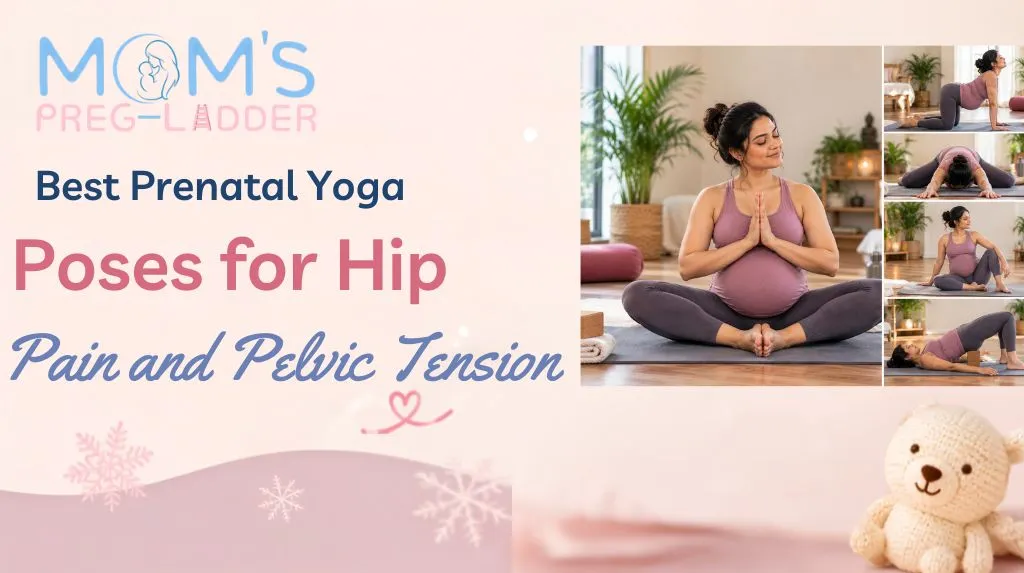
5. Seated Forward Fold with Wide Legs (Upavistha Konasana)
This seated pose gently stretches your inner thighs and lower back.
How to practise: Sit on the floor or on a folded blanket for elevation. Extend your legs wide in a V-shape, knees pointing up towards the ceiling. Sit up tall, lengthening your spine. Place your hands on the floor in front of you and gently walk them forward, folding from your hips. Only fold as far as feels comfortable, keeping your back straight rather than rounding. Hold for 8-10 breaths.
Benefits: This pose opens your inner thighs and hips, preparing you for labour. It stretches your hamstrings, relieves tension in your lower back, and can reduce swelling in your legs. The forward fold also calms your nervous system.
6. Goddess Pose (Utkata Konasana)
This powerful standing pose builds lower body strength and opens your pelvis.
How to practise: Stand with your feet wide apart, about one metre or more. Turn your toes out at 45-degree angles. Bend your knees, lowering into a squat position with your thighs approaching parallel to the floor. Keep your knees tracking over your toes. Bring your arms up to shoulder height, bending your elbows at 90 degrees with palms facing forward. Hold for 5-8 breaths. You can place your hands on a chair or counter for support if needed.
Benefits: Goddess Pose strengthens your thighs, glutes, and core muscles needed for labour. The wide stance opens your pelvis and can help baby move into position. This pose also improves balance and builds stamina.
7. Side-Lying Savasana (Modified Final Relaxation)
Proper rest becomes essential in the third trimester, yet lying flat on your back is not recommended.
How to practise: Lie on your left side (preferred for circulation) with a pillow under your head. Place another pillow or bolster between your knees and a third one to hug against your chest if desired. Allow your body to completely relax, releasing tension with each exhale. Remain here for 5-10 minutes, focusing on your breath.
Benefits: Side-lying relaxation reduces stress, lowers blood pressure, and improves circulation to your baby. Resting on your left side optimises blood flow from the inferior vena cava. This position allows complete relaxation without compromising blood flow or putting pressure on your abdomen.
Creating Your Third Trimester Yoga Routine
You can practise these poses individually or combine them into a complete sequence. Start with Cat-Cow to warm up your spine, move through the standing poses, then transition to seated and resting poses. Aim for 20-30 minutes, 3-4 times per week.
Remember that every pregnancy differs. What feels good one day might feel uncomfortable the next. The beauty of yoga lies in its adaptability. Use blocks, bolsters, walls, and chairs freely. There is no prize for advanced poses during pregnancy; your goal is to feel supported and comfortable.
Mom’s Preg Ladder offers additional resources for expectant mothers navigating their pregnancy journey. These yoga poses complement other healthy pregnancy practices like proper nutrition, adequate rest, and regular prenatal check-ups.
When to Stop and Seek Guidance
Stop practising and contact your healthcare provider if you experience:
- Vaginal bleeding or fluid leakage
- Contractions that persist after rest
- Dizziness or shortness of breath
- Chest pain or severe headache
- Decreased foetal movement
These symptoms require immediate medical attention and are not normal responses to exercise.
Beyond the Mat: Breathing for Labour
One of the most practical benefits of third trimester yoga extends beyond physical poses. The breathing techniques you practise translate directly to labour and delivery.
Try this simple breathing exercise: Inhale slowly through your nose for a count of four, then exhale through your mouth for a count of six. This longer exhale activates your parasympathetic nervous system, promoting calmness. Practise this breath during yoga and memorise the feeling so you can call upon it during contractions.
Final Thoughts
Third trimester yoga provides physical relief and mental preparation during the final stretch of pregnancy. These seven poses address common discomforts while building strength and flexibility for labour. Remember that yoga is not about perfect poses but rather connecting with your body and baby during this special time.
As you approach your due date, celebrate what your body can do rather than focusing on limitations. Each breath, each gentle stretch, each moment of stillness prepares you for the remarkable journey of childbirth. Mom’s Preg Ladder supports you through every stage of pregnancy with evidence-based information and practical guidance.
Start slowly, modify freely, and trust your instincts. Your third trimester yoga practice can become a cherished ritual, offering both physical comfort and peaceful moments of connection with your baby before you meet face to face.
FAQs About Third Trimester Yoga
Can I start yoga for the first time in my third trimester?
Yes, you can begin yoga during your third trimester, even without previous experience. Start slowly with basic poses and focus on breathing and gentle stretching rather than complex positions. Consider joining a prenatal yoga class where instructors understand pregnancy modifications. Always consult your doctor before starting any new exercise programme during pregnancy, especially if you have any complications or high-risk factors.
How often should I practise yoga in the third trimester?
Aim to practise yoga 3-4 times per week for 20-30 minutes per session. Consistency matters more than duration, so shorter daily sessions often work better than longer occasional practices. Listen to your body and adjust frequency based on your energy levels. Some days you might only have time for Cat-Cow and relaxation, and that is perfectly acceptable for maintaining the benefits of regular practice.
Which yoga poses should I avoid during the third trimester?
Avoid deep twists that compress your abdomen, any poses lying flat on your back, intense core work, deep backbends, and inversions like headstand or shoulder stand. Skip closed twists and opt for open twists instead. Avoid jumping movements and poses requiring strong balance without support. Your body produces relaxin hormone, which loosens ligaments, making you more prone to injury if you overstretch or lose balance during practice.
Can yoga help turn a breech baby?
Certain yoga poses may encourage optimal foetal positioning, though no pose guarantees turning a breech baby. Cat-Cow, hands-and-knees positions, and gentle pelvic tilts create space and may help baby move. The supported bridge pose is sometimes recommended, though evidence remains limited. If your baby is breech after 34 weeks, discuss options with your healthcare provider. They may recommend specific exercises or medical interventions like external cephalic version before relying solely on yoga.
Is it normal to feel Braxton Hicks contractions during yoga?
Occasional Braxton Hicks contractions during exercise are usually normal, especially in the third trimester. These practice contractions feel like tightening across your belly and typically stop when you rest and hydrate. If contractions become regular, painful, or persist after stopping exercise, contact your healthcare provider immediately. Always drink plenty of water before, during, and after yoga practice to prevent dehydration, which can trigger more frequent Braxton Hicks contractions.