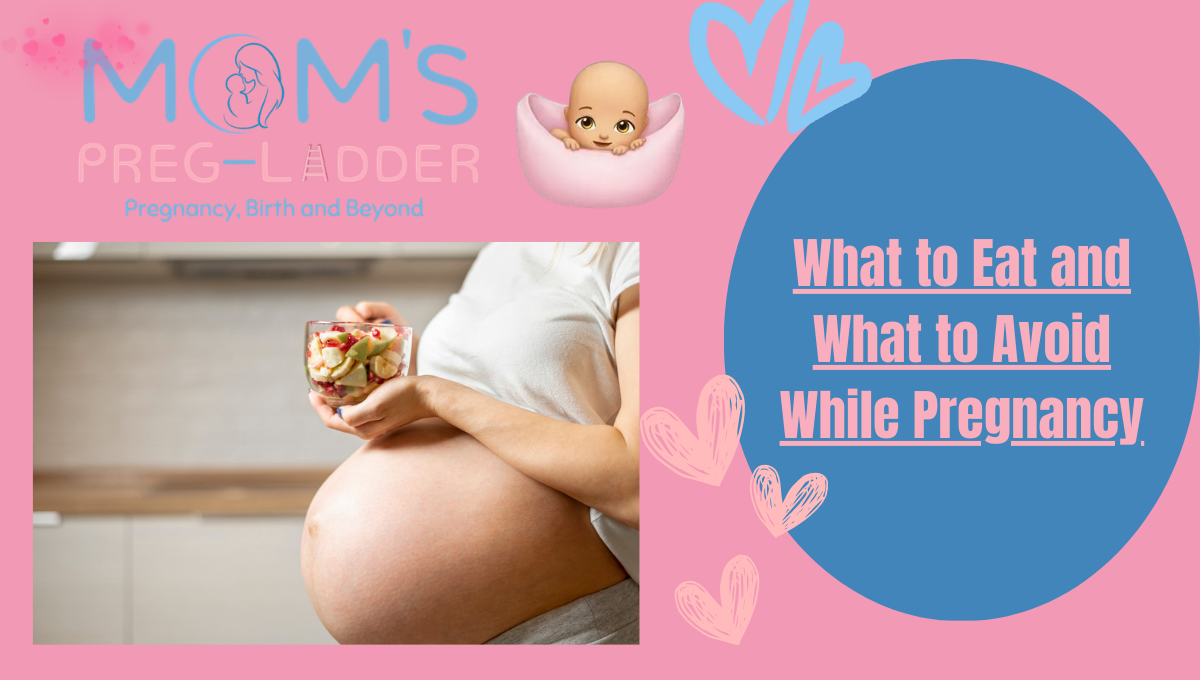
When you’re expecting, every meal matters. The foods you choose nourish your body and shape your baby’s development. Knowing what to eat and avoid while pregnancy helps you give your baby the best start while staying healthy.
Why Pregnancy Nutrition Matters
Your body works overtime during pregnancy yoga classes. Blood volume increases, organs shift, and a tiny human grows into a fully formed baby. All of this requires proper fuel.
Good nutrition helps prevent birth defects, supports healthy growth, and reduces pregnancy discomforts. The right foods provide building blocks your baby needs for brain development, bone formation, and organ function.
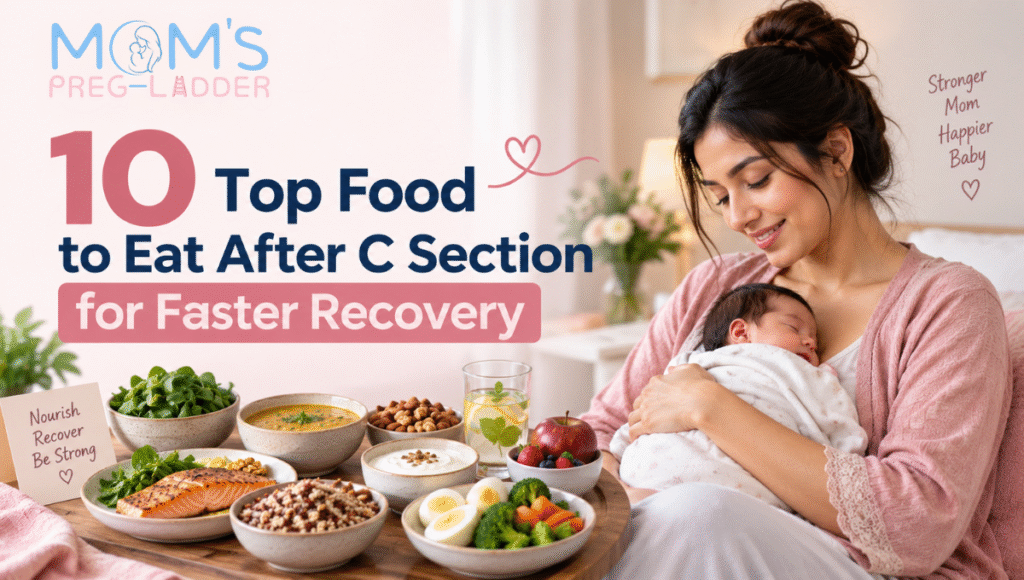
Essential Nutrients to Eat While Pregnancy
Your nutritional needs change when you’re pregnant. These nutrients become especially important.
Folic Acid: The Brain Builder
Folic acid prevents neural tube defects affecting your baby’s brain and spine. These defects develop in the first weeks of pregnancy, often before you know you’re expecting. Along with proper folic acid intake, many healthcare providers and prenatal yoga classes emphasize early prenatal care, body awareness, and stress reduction to support healthy fetal development from the very beginning.
You need 600 micrograms daily. Foods rich in folate include leafy greens, citrus fruits, beans, and fortified cereals.
Most prenatal vitamins contain 400 micrograms. If you’ve had a baby with a neural tube defect, your doctor may recommend 4 milligrams daily.
Iron: Oxygen for Two
Iron helps red blood cells carry oxygen to your baby. Your blood volume increases by 50% during pregnancy, so you need double the iron.
Pregnant women need 27 milligrams daily. Good sources include lean meat, beans, fortified cereals, and spinach.
Pair iron-rich foods with vitamin C. Orange juice, strawberries, and bell peppers help your body absorb iron better.
Calcium: Building Strong Bones
Your baby needs calcium for bones and teeth. If you don’t get enough, your body takes it from your bones.
You need 1,000 milligrams daily if you’re over 19. Find calcium in milk, yogurt, cheese, fortified plant milk, sardines, and leafy greens.
Many mothers attend Early Pregnancy Classes at Mom’s Preg Ladder to learn about calcium-rich meal planning.
Omega-3 Fatty Acids: Brain Development
DHA, a type of omega-3 fat, supports your baby’s brain and eye development.
Aim for 200 to 300 milligrams daily from salmon, sardines, walnuts, and flaxseeds. Eat 8 to 12 ounces of low-mercury fish weekly for omega-3s plus protein and vitamin D.
Protein: The Growth Nutrient
Protein builds your baby’s tissues and helps produce extra blood. You need about 71 grams daily.
Quality protein sources include chicken, fish, eggs, beans, Greek yogurt, and nuts. Spread protein throughout the day.
Vitamin D: The Sunshine Vitamin
Vitamin D helps absorb calcium and supports bone growth. You need 600 international units daily from fatty fish, fortified milk, egg yolks, and sunlight exposure.
Many prenatal vitamins include vitamin D. Check the amount, as you might need extra if you don’t get much sun.
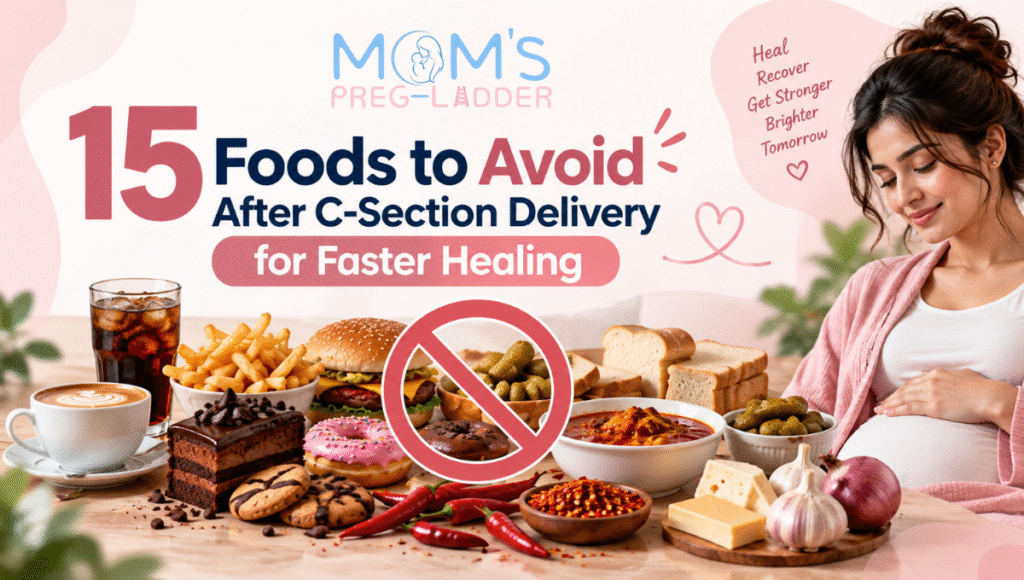
Foods to Avoid While Pregnancy
Some foods carry risks during pregnancy. Skip these for nine months.
Raw or Undercooked Foods
Raw foods can harbor bacteria causing food poisoning. Pregnant women are 10 times more likely to get listeriosis, which can lead to miscarriage.
Avoid raw or undercooked meat, poultry, fish, shellfish, eggs, and raw sprouts. Cook meat to 165°F for poultry, 160°F for ground meats, and 145°F for whole cuts.
Unpasteurized Products
Pasteurization kills harmful bacteria. Skip soft cheeses like brie, feta, and blue cheese unless labeled pasteurized. Avoid unpasteurized milk and fresh-squeezed juice.
High-Mercury Fish
Mercury damages developing brains. Don’t eat shark, swordfish, king mackerel, tilefish, or bigeye tuna. Limit white tuna to 6 ounces weekly. Choose low-mercury options like salmon and shrimp.
Deli Meats and Hot Dogs
Ready-to-eat meats can carry listeria. Heat deli meat and hot dogs to 165°F before eating, or choose freshly cooked meats.
Nutritional counseling at Mom’s Preg Ladder helps mothers plan safe meals without risky foods.
Excess Caffeine
Limit caffeine to 200 milligrams daily (about one 12-ounce coffee). High amounts may increase miscarriage risk. Remember that chocolate, energy drinks, and some medications also contain caffeine. Expectant parents often search for how to remove tailbone during childbirth, but the tailbone is not removed—instead, proper labor positions, prenatal exercises, and guidance from healthcare providers help reduce tailbone pressure and discomfort during delivery.
Alcohol and Liver Products
No alcohol is safe during pregnancy. All forms can cause fetal alcohol spectrum disorders.
Avoid liver and liver products, which contain excessive vitamin A that harms your baby. Skip supplements with vitamin A or retinol too.
Making Healthy Eating Work for You
Knowing what to eat and avoid while pregnancy is one thing. Making it happen daily is another. Here’s how to turn knowledge into action.
Fill half your plate with colorful vegetables and fruits. Add a quarter lean protein and a quarter whole grains. This simple pattern covers all food groups without complicated tracking.
Eat six small meals instead of three large ones when nausea or heartburn strike. Keep healthy snacks nearby: nuts, fruit, yogurt, whole-grain crackers.
Drink eight to ten glasses of water daily. Staying hydrated prevents constipation and helps your body use nutrients. Add lemon or cucumber if plain water feels boring.
Take your prenatal vitamin with food to reduce nausea. These supplements fill nutritional gaps even with good eating habits.
Rinse all produce under running water before eating. This removes bacteria and pesticide residue that could make you sick.
Your needs change each trimester. The first trimester requires extra folic acid and nausea management. The second brings appetite back and rapid baby growth. The third means smaller, frequent meals as your stomach has less room.
The nutritional counseling and Pregnancy Yoga Classes at Mom’s Preg Ladder guide women through each stage’s unique nutritional needs.
Give yourself grace. Perfect eating every day isn’t realistic. Do your best most days. Your body knows how to make the most of what you give it.
Your Pregnancy Nutrition Journey
Understanding what to eat and avoid while pregnancy gives you control over your health and your baby’s development. You don’t need perfection. You need consistency with good choices, flexibility when life gets messy, and support when questions arise.
Feed your body well. Skip risky foods. Take your vitamins. Stay active and hydrated. These simple steps build a strong foundation for a healthy pregnancy and baby.
Listen to your body, work with your healthcare team, and remember that growing a human is hard work. You’re doing great.
Frequently Asked Questions
Q: How much weight should I gain during pregnancy?
Weight gain depends on your pre-pregnancy BMI. Women with average weight typically gain 25 to 35 pounds. Underweight women may gain 28 to 40 pounds, while overweight women might gain 15 to 25 pounds. Your doctor will guide you based on your situation.
Q: Is it safe to eat peanuts during pregnancy?
Yes, eating peanuts during pregnancy is safe unless you have a peanut allergy. Research shows that eating peanuts might actually reduce the risk of your child developing peanut allergies. Include peanut butter or peanuts as a healthy protein source.
Q: Can I eat cheese while pregnant?
You can eat hard cheeses and pasteurized soft cheeses safely. Avoid soft cheeses made with unpasteurized milk like brie, feta, and blue cheese unless the label says they’re made with pasteurized milk. These can contain listeria bacteria that harm your baby.
Q: What should I do if I accidentally ate something on the avoid list?
Don’t panic. One exposure rarely causes problems. Watch for symptoms like fever, muscle aches, or nausea. Contact your doctor if you develop any concerning symptoms. Going forward, just avoid that food for the rest of your pregnancy.
Q: Do I really need to take a prenatal vitamin if I eat well?
Yes. Even with excellent eating habits, getting enough folic acid and iron from food alone is difficult. Prenatal vitamins ensure you meet daily requirements for these critical nutrients. They provide insurance against gaps in your diet, especially during the first trimester.