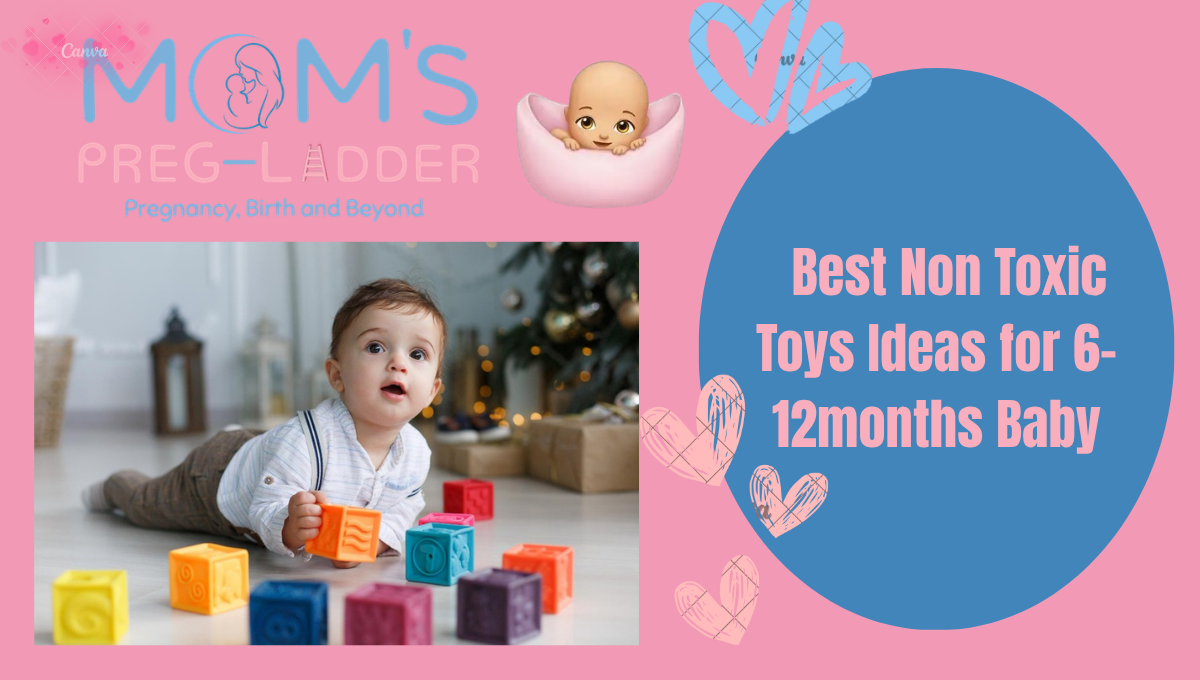
By six months of age, your baby has clearly worked out one thing – everything goes in the mouth. That’s why the toys you give away at this stage are so important. Here are some non-toxic toy ideas for babies between 6 and 12 months old and what to look for on the label before buying so you don’t leave the toy aisle guessing.
Why Non-Toxic Matters So Much at This Age
Babies are constantly putting everything in their mouths, even into toddlerhood, and their skin is thinner and more absorbent than an adult’s. That makes them more susceptible to chemicals that leach out of cheap plastic, paint, or foam. Common offenders include phthalates, which make plastic more pliable and can affect liver and kidney function and pregnancy yoga classes, lead in cheap paint, and formaldehyde in glues and fabric treatments. In India, look for the BIS (ISI mark) certification, which has been mandatory on toys sold in the country since 2020. If you see BIS combined with international labels like EN71 (European standard) or ASTM F963, that’s another level of confidence.
What this means in practice: If a toy smells of heavy plastic, gives off paint when you wipe it with a damp cloth, or feels sticky when you touch it, then don’t buy it, no matter how cheap or attractive it looks.
20 Non-Toxic Toy Ideas for 6-12 Month Babies
1. Wooden Rattles
Soft on gums and easy for little hands to hold, water-based, non-toxic paint is applied to natural wood rattles. They also tend to last years longer than plastic counterparts.
2. Food-Grade Silicone Teethers
Silicone teethers are made of food-grade silicone, which is BPA-free and phthalate-free, making it one of the safest materials to chew on. Choose 1-piece items with no small parts that can come off.
3. Stacking Rings
Classic stacking rings develop hand-eye coordination and an early sense of size and order. Opt for ones made from solid wood or BPA-free silicone instead of hard, brittle plastic.
4. Soft Cloth Blocks
The blocks are filled with organic cotton or natural fiber, making them safe for teething babies to chew on and squeeze. GOTS-certified cotton means that the fabric was processed without harsh chemical dyes.
5. Board Books
Board books are thick and printed with nontoxic ink. They’re chew-proof toys and early language tools. Babies this age love the textures and bright, simple pictures as much as the story.
6. Bath Toys in Food-Grade Silicone
Steer clear of the classic squeeze toys with holes in them; they trap water and develop mould over time. Solid, food-grade silicone bath toys with no cavities are simpler to clean and safer long-term.
7. Nesting Cups
Your baby learns cause and effect by stacking, knocking down, and fitting together untreated wood or BPA-free plastic nesting cups. They also make great bath toys.
8. Textured Sensory Balls
Balls made of soft rubber or fabric and featuring different textures and ridges aid tactile development. Natural rubber balls are a safe bet here, such as those popular teething giraffe-style toys.
9. Push-and-Pull Toys
As your baby is nearing crawling and cruising, simple wooden push toys are a great way to support gross motor development. Find smooth edges and non-toxic finishes.
10. Shape Sorters
Once your baby gets the idea of simple cause and effect, a simple wooden shape sorter with big chunky pieces is good for the end of this age range.
11. Musical Shakers
Add sound and rhythm with wooden or silicone shakers filled with rice or beads (be sure to seal securely). “Provide a tamper-proof fill compartment so that nothing can be swallowed.
12. Unbreakable Mirror Toys
Babies at this age love seeing themselves in the mirror. opt for a mirror toy with a shatterproof, BPA-free frame instead of glass
13. Wooden Stacking Blocks
The rounded edges and water-based paint on the chunky wooden blocks help your baby to develop balance, grip strength, and early problem-solving skills as they learn to stack and topple them.
14. Organic Cotton Cloth Dolls
Soft dolls made from 100% organic cotton with embroidered features – not glued-on plastic eyes or buttons – have no choking hazards and no chemical adhesives.
15. Peekaboo and Object Permanence Toys
Early-stage mental growth at this age is helped by simple wooden or cloth toys that hide and reveal an object, helping babies learn that things still exist even when out of sight.
16. Natural Rubber Teething Toys
100% natural rubber toys from the Hevea tree, coloured with food-grade paint, have a long history of being a safe option for chewing.
17. Finger Puppets in Organic Fabric
Soft finger puppets in organic cotton or wool to encourage early social play and imagination and soft enough for little hands still developing grip.
18. Large-Piece Wooden Puzzles
Simple wooden puzzles with big, chunky knobs are good for babies around 10 to 12 months old, helping develop fine motor skills without being a choking hazard.
19. Soft Fabric Activity Gyms
A tummy time activity gym with organic cotton fabric and wooden or BPA-free plastic hanging toys provides babies with a safe place to reach, kick, and grab.
20. Fabric Crawling Tunnels
When your baby becomes mobile, a soft, breathable tunnel of fabric is great for practising crawling and playing hide-and-seek. Search for cotton or cotton blends with no synthetic coatings.
How to Check If a Toy Is Actually Safe
- Always check for BIS, EN71, or ASTM F963 certification on the packaging before you buy body shop products, especially for plastic and painted wooden toys.
- Take the smell test: A strong chemical or plastic smell usually indicates poor-quality material.
- Rub with a damp white cloth: If colour comes off, the paint may not be safe for repeated mouthing.
- Find small parts that can be removed: Anything that can go through a toilet paper roll is a choking hazard for this age group.
Avoid toys handed down to you that have cracked or peeling plastic. Toys made before BIS certification was mandatory may not meet current standards.
A Note on Gifted Toys
Toys are a usual gift from family and friends, and it’s not always easy to say no. A simple rule is to compare any gift toy and best safe protein powder with the points above before giving it to your baby and put aside any with strong smells, chipped paint, or loose small parts until you can confirm that it is safe.
When to Ask for Guidance
If you’re unsure about what toy is appropriate for your baby’s current stage, or if you’d like suggestions that correspond to certain growth stages, month by month, this is the kind of question a newborn care class or one-on-one consultation can help answer. Mom’s Preg Ladder includes classes on newborn and infant care, giving new parents a place to ask these everyday questions instead of guessing. Mom’s Preg Ladder offers practical parenting advice through its blog for mothers going through this time.
Final Word
Once you know what to look for, choosing toys for a 6 to 12-month-old doesn’t have to be complicated. Always choose wood, food-grade silicone, natural rubber, and organic cotton over cheap, unbranded plastic, and look for a BIS or EN71 label before buying. A few select, safe toys that grow with your baby’s abilities will be used far more than a mountain of choices bought without a second glance at the label.
FAQs
1. What toys are safe for a 6-month-old baby?
At 6 months, great options include wooden rattles, food-grade silicone teethers, soft cloth blocks, and board books. Check for BIS or EN71 certification on any plastic toy.
2. How do I know if a toy is non-toxic?
Check packaging for BIS (ISI mark), EN71, or ASTM F963 certification. Avoid toys that smell strongly of plastic, that have chipping paint, or small parts that can easily come off.
3. Are wooden toys safer than plastic toys for babies?
Wooden toys finished with non-toxic, water-based paint are generally safer because they do not contain phthalates and BPA that can be found in some plastics of lower quality. Still, quality trumps material alone.
4. What toys support development at 9 to 12 months?
Shape sorters, stacking blocks, push toys, and large-piece puzzles are great at this stage, helping babies develop their fine motor skills, balance, and early problem-solving as they approach their first birthday.
5. Can silicone teethers be given to a 6-month-old?
Yes, food-grade silicone teethers are safe and do not contain BPA or phthalates. Avoid designs with small removable parts. Choose one-piece designs.