Planning for pregnancy is one of the most exciting journeys you can embark on. While many women focus on preparing their homes and finances, preparing your body through proper nutrition and physical activity deserves equal attention. A well-planned pre pregnancy diet & exercise routine can significantly improve your chances of conceiving while setting the foundation for a healthy pregnancy.
Women who begin their preconception health journey early often experience better pregnancy outcomes. Your body needs time to build nutrient stores, achieve optimal weight, and develop the strength needed for pregnancy and childbirth. At Mom’s Preg Ladder, we believe that informed preparation makes all the difference in your motherhood journey.
Why Pre Pregnancy Diet & Exercise Matters
Your preconception health directly affects your baby’s development from the moment of conception. Research shows that women who maintain balanced nutrition, regular physical activity, and participate in pre-pregnancy-classes before pregnancy have lower risks of complications such as gestational diabetes, preeclampsia, and excessive weight gain during pregnancy.
The first 28 days after conception are critical for your baby’s neural tube development. During this time, many women don’t yet know they’re pregnant. This is why building healthy habits, nutrient stores, and foundational knowledge through pre-pregnancy-classes becomes so important.
Here’s what a good preconception plan can do:
- Reduces the risk of birth defects by up to 70%
- Improves fertility and helps you conceive faster
- Prepares your body for the physical demands of pregnancy
- Lowers the risk of pregnancy complications
- Helps maintain healthy weight gain during pregnancy
- Improves recovery after childbirth
Pre Pregnancy Diet Essentials
A balanced preconception diet should include a wide variety of nutrient-dense foods. Think of your body as preparing to run a marathon. You need proper fuel, hydration, and the right building blocks to support both your health and your baby’s growth.
Key Nutrients for Preconception
Folic Acid: The Most Critical Nutrient
Folic acid (vitamin B9) deserves top priority in your preconception diet. This nutrient helps prevent neural tube defects like spina bifida. Women should take 400 to 800 micrograms (mcg) of folic acid daily, starting at least one month before trying to conceive.
In India, the incidence of neural tube defects is three times higher compared to Western countries, partly because of lower folate intake. The Indian Council of Medical Research recommends an additional 300 mcg during pregnancy on top of the regular 200 mcg dietary intake.
Natural sources of folate include:
- Leafy greens (spinach, methi, palak)
- Citrus fruits (oranges, sweet lime)
- Legumes (rajma, chana, moong dal)
- Fortified cereals and bread
While food sources are beneficial, a prenatal supplement ensures you meet your daily requirements. Many women find it helpful to start taking prenatal vitamins even before conception.
Iron: Building Blood for Two
Your blood volume will increase by up to 50% during pregnancy. Building iron stores beforehand helps prevent anaemia, which affects nearly 50% of pregnant women in India. Aim for 27 mg of iron daily once pregnant, but start building your stores now.
Good iron sources include:
- Lean meats and chicken
- Dark leafy vegetables
- Dried fruits like dates and raisins
- Fortified cereals
- Lentils and beans
Pair iron-rich foods with vitamin C sources (tomatoes, bell peppers, citrus fruits) to enhance absorption.
Calcium: Strengthening Bones
You need about 1,000 mg of calcium daily. If you don’t get enough during pregnancy, your baby will draw calcium from your bones, putting you at risk for osteoporosis later.
Calcium-rich foods include:
- Dairy products (milk, yoghurt, paneer)
- Fortified plant milk
- Dark leafy vegetables
- Til (sesame seeds)
- Ragi (finger millet)
Omega-3 Fatty Acids
DHA (docosahexaenoic acid), an omega-3 fatty acid, supports your baby’s brain and eye development. Try to include fatty fish twice weekly, or consider a fish oil supplement providing 200-300 mg DHA daily.
Safe fish choices include:
- Salmon
- Sardines
- Pomfret
- Rohu
Avoid fish high in mercury such as swordfish and king mackerel.
What to Include in Your Daily Diet
A balanced preconception plate should contain, along with guidance learned through best online pre-pregnancy classes for expecting couples, the following essentials:
Fruits and Vegetables: 8–10 servings daily. Focus on variety. Include at least two leafy greens and one yellow or orange vegetable each day. Sweet potatoes, carrots, spinach, and kale are excellent choices.
Whole Grains: 2–4 servings daily. Choose brown rice, quinoa, oats, jowar, bajra, and ragi over refined grains. Whole grains provide fibre, B vitamins, and sustained energy.
Protein: 2–4 servings daily. Include eggs, lean meat, chicken, fish, legumes, dal, and nuts. Protein supports cell growth, hormone production, and fertility.
Healthy Fats: Don’t fear fat. Your body needs healthy fats from nuts, seeds, avocados, olive oil, and ghee for hormone balance and nutrient absorption—topics often covered in best online pre-pregnancy classes for expecting couples.
Foods to Limit or Avoid
While preparing for pregnancy, reduce or eliminate:
Refined sugars and processed foods: Cookies, cakes, pastries, and sweetened beverages can cause blood sugar spikes and contribute to weight gain.
White/refined foods: White bread, white rice, maida, and regular pasta lack nutrients and fibre.
Excess caffeine: Limit intake to 200 mg daily (about one cup of coffee). Too much caffeine may affect fertility.
Alcohol: Stop drinking alcohol when trying to conceive, as it can harm early fetal development.
High-mercury fish: Avoid shark, swordfish, king mackerel, and large tuna.
Unpasteurised products: Skip unpasteurised milk, soft cheeses, and fresh juices that may carry harmful bacteria.
Hydration Matters
Water supports every bodily function, including hormone production and cervical mucus quality. Aim for 8-10 glasses daily. Proper hydration helps flush toxins, maintains energy levels, and prepares your body for the increased fluid needs during pregnancy.
Pre Pregnancy Exercise: Building Strength for Motherhood
Regular physical activity before conception offers multiple benefits—one of the top things you’ll learn in online early pregnancy classes. Women who exercise moderately get pregnant faster than sedentary women. Exercise also reduces the risk of gestational diabetes by more than 20% when continued into pregnancy, while improving stamina, circulation, and overall hormonal balance.
How Much Exercise Do You Need?
Aim for at least 150 minutes of moderate-intensity aerobic exercise weekly. This breaks down to about 30 minutes daily, five days per week. If you prefer shorter sessions, three 10-minute walks throughout the day work just as well.
Moderate intensity means you can still hold a conversation while exercising but cannot sing. This is often called the “talk test.”
Best Exercises for Preconception
Walking and Brisk Walking
Walking is the most accessible form of exercise. It’s low-impact, requires no equipment, and you can do it anywhere. Brisk walking builds cardiovascular fitness and leg strength needed for labour and delivery.
Start with 20-30 minutes daily and gradually increase duration and pace. Swing your arms to increase intensity and engage your upper body.
Swimming and Water Aerobics
Swimming provides a full-body workout without stressing your joints. The water supports your weight while you build endurance and strength. If you’re new to swimming, start with two or three 30-minute sessions weekly.
Yoga and Stretching
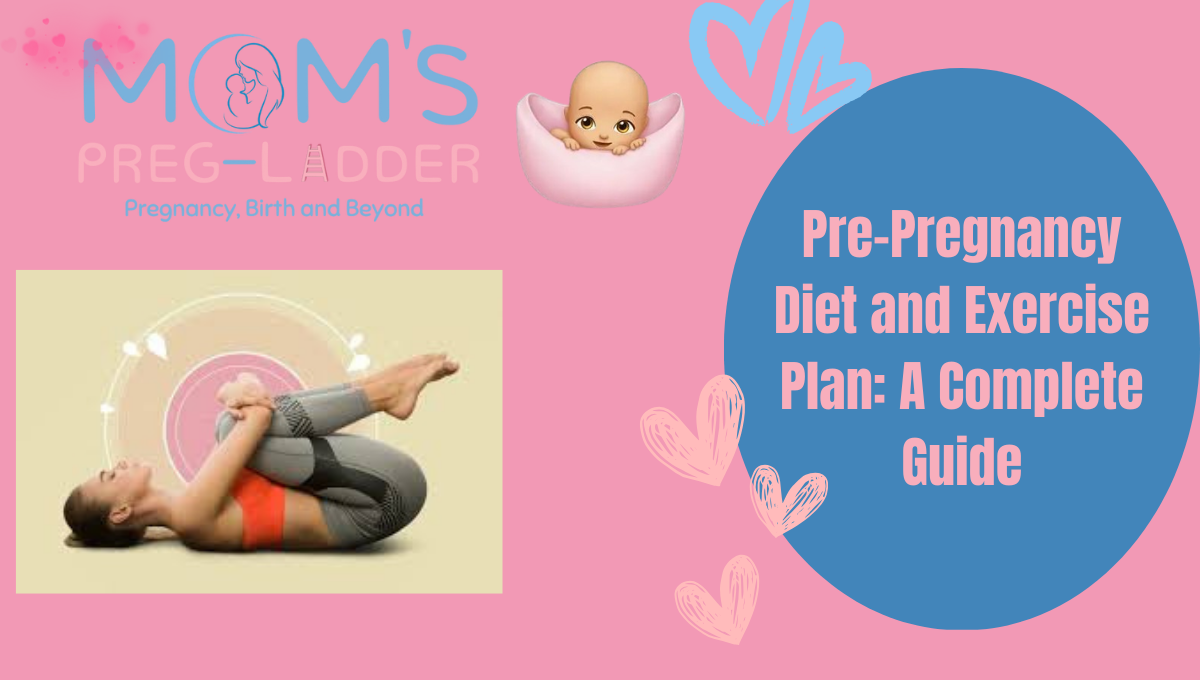
Prenatal yoga helps build flexibility, balance, and body awareness. Many poses strengthen your pelvic floor, improve posture, and teach breathing techniques useful during labour.
Focus on gentle stretching and mindfulness. Avoid hot yoga or positions requiring you to lie flat on your back for extended periods.
Strength Training
Building muscle strength prepares your body for carrying extra weight during pregnancy and helps with postpartum recovery. Focus on exercises that strengthen your core, back, legs, and arms.
Safe strength exercises include:
- Squats (strengthen legs and pelvic floor)
- Lunges (improve balance and leg strength)
- Modified planks (build core strength)
- Wall push-ups (strengthen chest and arms)
- Pelvic floor exercises (Kegels)
Start with bodyweight exercises. If you use weights, keep them light to moderate (2-5 kg dumbbells).
Cycling (Stationary or Outdoor)
Cycling provides good cardiovascular exercise while being gentle on joints. If cycling outdoors, choose flat, safe routes. A stationary bike offers a controlled environment, especially useful during pregnancy.
Pelvic Floor Exercises
Your pelvic floor muscles support your bladder, uterus, and bowel. Strengthening them now helps during pregnancy, labour, and recovery.
To do Kegel exercises:
- Empty your bladder
- Tighten the muscles you would use to stop urination
- Hold for 5-10 seconds
- Relax for 5-10 seconds
- Repeat 10-15 times, three times daily
Avoid tightening your buttocks, thighs, or stomach muscles. Focus only on the pelvic floor.
Exercises to Avoid
Once you start trying to conceive, avoid activities with high fall risk or abdominal trauma risk:
- Contact sports (football, basketball, hockey)
- High-impact activities (jumping, jerky movements)
- Exercises requiring lying flat on your back after the first trimester
- Scuba diving
- Hot yoga or exercising in extreme heat
If you engage in intense or vigorous exercise, consult your doctor. Overly strenuous routines can sometimes interfere with ovulation and delay conception.
Listen to Your Body
Pay attention to how you feel during exercise. Stop immediately if you experience:
- Dizziness or lightheadedness
- Chest pain
- Severe shortness of breath
- Unusual fatigue
- Vaginal bleeding (if pregnant)
Exercise should energise you, not exhaust you. Building the habit of moderate, consistent activity serves you better than occasional intense workouts.
Creating Your Pre Pregnancy Diet & Exercise Plan
Now that you understand the components, let’s build your personalised plan.
Step 1: Assess Your Current Health
Schedule a preconception checkup with your doctor. Discuss your current diet, exercise routine, weight, and any health conditions. Get blood tests to check for:
- Iron levels (haemoglobin)
- Folic acid status
- Vitamin D
- Thyroid function
- Blood sugar
Step 2: Calculate Your BMI
Your Body Mass Index helps determine if you’re at a healthy weight for conception. For Indian women and those of South Asian descent, a healthy BMI ranges from 18.5 to 23.
Being underweight or overweight can affect fertility and pregnancy outcomes. If needed, work with a registered dietitian at Mom’s Preg Ladder or your local clinic to reach a healthy weight before conceiving.
Step 3: Start Taking Prenatal Vitamins
Begin taking a prenatal vitamin with at least 400-800 mcg of folic acid daily. If you have a history of neural tube defects in your family, your doctor may recommend a higher dose (up to 5 mg daily).
Step 4: Clean Up Your Diet
Gradually replace processed foods with whole foods. Focus on adding nutritious options rather than restricting yourself. Stock your kitchen with:
- Fresh fruits and vegetables
- Whole grains
- Lean proteins
- Healthy fats
- Dairy or fortified alternatives
Step 5: Establish Exercise Routine
If you’re not currently active, start slowly. Begin with 10-15 minutes of walking daily and gradually increase. If you already exercise, maintain your routine but avoid overtraining.
Choose activities you enjoy. You’re more likely to stick with exercise that feels fun rather than a chore.
Step 6: Track and Adjust
Keep a food and exercise journal for two weeks. This helps identify patterns and areas for improvement. Notice how different foods and activities make you feel.
Sample Daily Plan
Morning (7:00 AM)
- Warm water with lemon
- Prenatal vitamin with breakfast
- Breakfast: Whole wheat dosa with sambhar and coconut chutney, or oatmeal with fruits and nuts
Mid-Morning (10:30 AM)
- Fresh fruit or handful of nuts
- Water or coconut water
Lunch (1:00 PM)
- Brown rice or roti
- Dal or legumes
- Mixed vegetable curry
- Salad with leafy greens
- Yoghurt
Afternoon Snack (4:00 PM)
- Sprouts chaat or roasted chana
- Herbal tea
Evening Exercise (5:30 PM)
- 30-minute brisk walk, yoga, or swimming
Dinner (7:30 PM)
- Vegetable khichdi or grilled fish with vegetables
- Roti or small portion of rice
- Raita
Before Bed (9:30 PM)
- Warm milk with a pinch of turmeric (optional)
- 10 minutes of stretching or meditation
Managing Stress While Trying to Conceive
Stress can negatively impact fertility. Exercise helps manage stress, but you should also practice:
- Deep breathing exercises
- Meditation or mindfulness
- Adequate sleep (7-9 hours nightly)
- Spending time in nature
- Connecting with supportive friends and family
When to Consult a Healthcare Professional
Seek professional guidance if:
- You’ve been trying to conceive for over a year (or six months if over 35)
- You have irregular periods
- You have existing health conditions (PCOS, diabetes, thyroid issues)
- You’re significantly underweight or overweight
- You experience unusual symptoms
- You need help creating a personalised plan
The resources and information available at Mom’s Preg Ladder can help guide you through your preconception journey, but always consult healthcare professionals for personalised advice.
Making It Sustainable
The key to any successful preconception plan is consistency, not perfection. Don’t stress about following every guideline perfectly. Instead:
- Make gradual changes that you can maintain
- Allow yourself occasional treats
- Find exercise you genuinely enjoy
- Build a support system
- Celebrate small victories
- Be patient with yourself
Remember that preparing for pregnancy is a marathon, not a sprint. Each healthy choice you make brings you closer to your goal of a healthy conception and pregnancy.
Frequently Asked Questions
Q1: How long before trying to conceive should I start my pre pregnancy diet & exercise plan?
Start your preconception health plan at least three months before trying to conceive. This timeframe allows your body to build nutrient stores, particularly folic acid, and establish healthy habits. If you have specific health conditions or significant lifestyle changes needed, you may benefit from starting six months to a year in advance. The earlier you begin, the better prepared your body will be for pregnancy.
Q2: Can exercise affect my ability to get pregnant?
Moderate exercise actually improves fertility and helps you conceive faster. Women who engage in regular, moderate physical activity often have better ovulation and hormonal balance. The concern arises only with excessive, intense exercise that may interfere with ovulation. If you’re training intensely or exercising more than 7-8 hours weekly, discuss with your doctor whether you should reduce intensity during the conception period.
Q3: What foods should I definitely avoid when trying to conceive?
Avoid alcohol completely, as it can harm early fetal development even before you know you’re pregnant. Limit caffeine to under 200 mg daily (one cup of coffee). Skip high-mercury fish like shark, swordfish, and king mackerel. Avoid unpasteurised dairy products, raw or undercooked eggs, and deli meats unless heated thoroughly. These foods may carry bacteria harmful to pregnancy. Also reduce processed foods, refined sugars, and trans fats that can affect fertility.
Q4: Is it necessary to take supplements if I eat a balanced diet?
Even with an excellent diet, most women struggle to get adequate folic acid from food alone. A prenatal supplement ensures you meet the 400-800 mcg daily requirement needed to prevent neural tube defects. Since neural tube closure happens in the first 28 days after conception (often before you know you’re pregnant), having adequate folic acid stores beforehand is critical. Your doctor may also recommend iron, vitamin D, or other supplements based on your individual needs.
Q5: Can I continue my current workout routine while trying to conceive?
Most women can continue their regular exercise routine while trying to conceive, especially if it’s moderate in intensity. If you’re used to running, cycling, or strength training, you can typically maintain these activities. The key is listening to your body and avoiding overtraining. If your routine is very intense or you exercise at competitive levels, discuss with your doctor whether modifications would benefit your conception efforts. Balance intense workouts with rest and recovery.