Pregnancy brings physical and emotional changes that can feel overwhelming. Your body is working hard to grow a new life, and finding safe ways to stay active becomes a priority. That’s where pregnancy yoga comes in a gentle practice designed specifically for expecting mothers.
Research indicates that practicing yoga during pregnancy may help reduce stress, anxiety, and depression while keeping your body strong and flexible. Whether you’re new to yoga or have been practicing for years, pregnancy yoga offers a way to connect with your changing body and prepare for the journey ahead.
Understanding Pregnancy Yoga
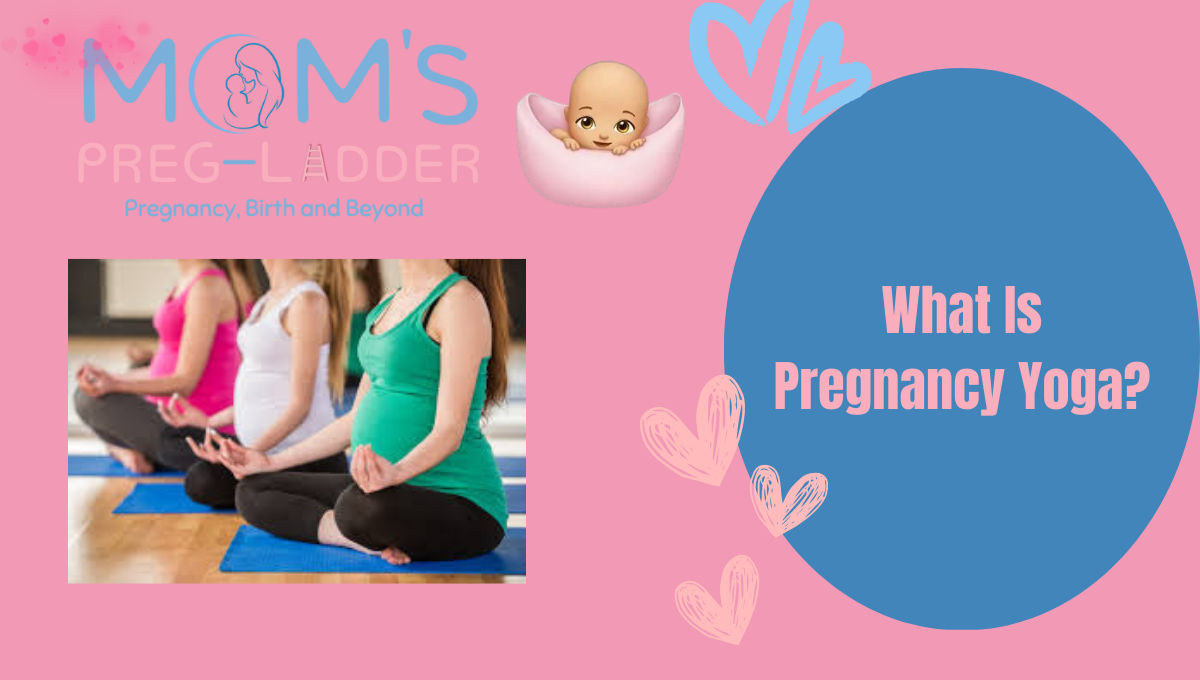
Pregnancy yoga, also called prenatal yoga, is a modified form of yoga tailored to support your body through each trimester. Unlike regular Pregnancy yoga classes, these sessions focus on poses that accommodate your growing belly and shifting centre of gravity.
The practice combines gentle stretching, breathing techniques, and safe poses designed to help you prepare for childbirth by relaxing your body and focusing on movements appropriate for all stages of pregnancy. Think of it as yoga that adapts with you what works in your first trimester might need adjustment by your third.
At Mom’s Preg Ladder, we understand the importance of safe movement during pregnancy. That’s why learning about practices like pregnancy yoga can help you make informed decisions about staying active during these special nine months.
What Makes It Different from Regular Yoga
You might wonder how pregnancy yoga differs from your usual yoga class. The key differences lie in the modifications and focus:
- Pose modifications: Poses are adjusted to avoid pressure on your belly and prevent lying flat on your back for extended periods, especially after 16 weeks.
- Breathing focus: Greater emphasis on breathing techniques that can help during labour and delivery.
- Balance support: Use of props like blocks, bolsters, and walls to help with stability as your balance changes.
- Gentle intensity: The practice prioritises safety and comfort over pushing your limits or achieving advanced poses.
Benefits of Pregnancy Yoga for Mother and Baby
The benefits of pregnancy yoga extend beyond simple exercise. Let’s break down how this practice supports both physical and mental wellbeing.
Physical Benefits
Prenatal yoga can help improve your mood and sleep, increase your strength and flexibility, and decrease lower back pain along with other common pregnancy symptoms. Here’s what you might experience:
- Pregnancy yoga can help improve your mood and sleep, increase strength and flexibility, and ease lower back pain along with other common pregnancy symptoms. Here’s what you may experience with regular practice:
- Pain relief: Many pregnant women report reduced back pain, hip discomfort, and pelvic pressure through pregnancy yoga. Gentle, targeted stretches relieve areas that carry extra strain as your body changes.
- Better circulation: The flowing movements and mindful breathing in pregnancy yoga improve blood circulation, helping deliver more oxygen-rich blood to both mother and baby.
- Improved posture: As your belly grows and your centre of gravity shifts, pregnancy yoga supports better alignment and balance, reducing strain on your spine and joints.
- Pelvic floor strength: Pregnancy yoga includes poses that strengthen the pelvic floor muscles, which support the bladder, bowel, and growing uterus and play a key role during childbirth.
- Reduced swelling: Regular pregnancy yoga practice encourages healthy circulation, helping minimise swelling in the feet and ankles that commonly occurs during pregnancy.
Mental and Emotional Benefits
Pregnancy comes with its share of worries and mood changes. Research shows that over half of all women experience anxiety at some point during pregnancy, and about 13% experience clinical depression. Here’s how yoga helps:
- Stress reduction: Yoga has been shown to ease stress and anxiety during pregnancy and reduce levels of cortisol, the stress hormone.
- Better sleep: When pregnancy makes quality sleep harder to achieve, yoga’s calming effects can help improve your sleep patterns.
- Emotional balance: The combination of intentional movement and structured breathing helps alleviate symptoms of depression by activating your nervous system and blocking excessive cortisol.
- Mental preparation: Learning to stay calm and focused during your practice translates to better coping strategies during labour.
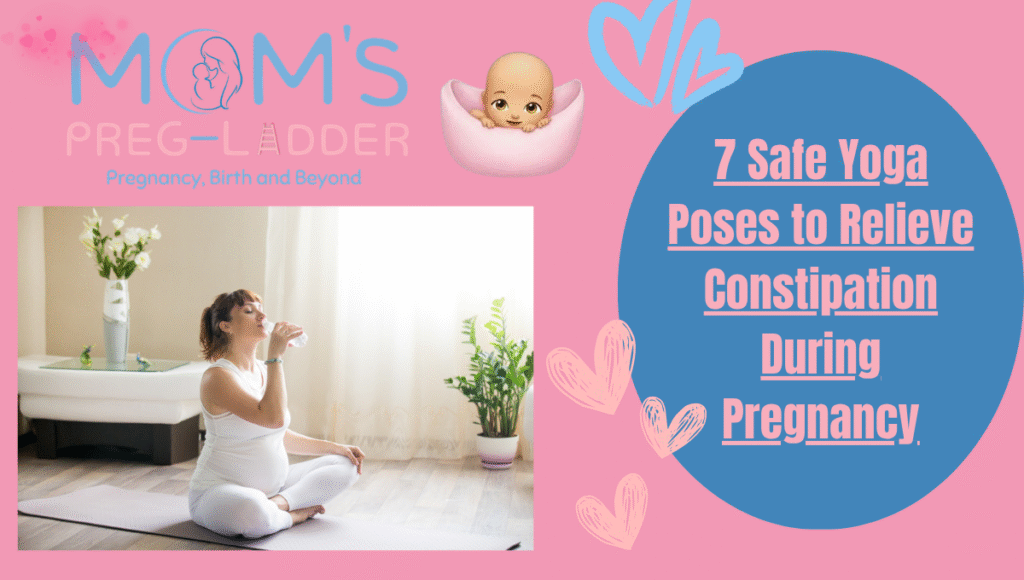
- Community connection: Joining online pregnancy yoga classes in india helps you meet other expecting mothers, creating a support network for the journey ahead.
Labour and Delivery Benefits
Perhaps the most practical benefit: pregnancy yoga prepares you for childbirth. Studies show that yoga interventions reduce labour duration and increase the likelihood of normal vaginal birth.
Women who practice yoga during pregnancy may have shorter labour and be more likely to have a vaginal delivery if that’s what they want, as yoga helps you focus on your body and use your breath to stay calm during labour.
Trimester-by-Trimester Guide to Pregnancy Yoga
Your body’s needs change throughout pregnancy, and your yoga practice should too. Yoga is safe during pregnancy in the first trimester, and here’s what to focus on during each trimester.
There. Clean, natural, no dramatic medical monologue. Just enough reassurance without sounding like a warning label on a pill bottle.
First Trimester (Weeks 1-12)
The first three months bring fatigue, nausea, and major hormonal shifts. Your baby is rapidly developing, making this a delicate time.
What to focus on: During the first trimester, both beginners and experienced practitioners should maintain a gentle practice, as the foetus is still implanting and the risk of miscarriage is at its highest.
Safe poses: Cat-Cow pose for back tension, Child’s pose for relaxation, gentle standing poses with wider stance, and simple breathing exercises.
What to avoid: Deep backbends, closed twists, inversions, jumping between poses, and any position that compresses your abdomen.
Tips: Listen to your body. If you’re too exhausted for physical practice, focus on breathing exercises and meditation instead.
Second Trimester (Weeks 13-27)
Many women experience an energy boost during these months. Your belly is growing but hasn’t reached its largest size yet, making this an ideal time to build strength.
What to focus on: Strengthening poses that build stamina in your legs, hips, and core. Work on balance and stability as your centre of gravity begins shifting.
Safe poses: Warrior poses, squats (Malasana), standing leg stretches with wall support, and gentle side stretches. Keep your feet wider apart to accommodate your belly.
What to avoid: Deep abdominal twists, lying flat on your back after 16 weeks, and advanced backbends or inversions.
Tips: Use props freely. Blocks and bolsters aren’t signs of weakness they’re tools for safety and comfort.
Third Trimester (Weeks 27-40)
As you approach delivery, comfort becomes the priority. Your balance is more affected, you tire more easily, and your body needs gentler movement.
What to focus on: Your practice should emphasise restorative and supportive movements that help manage your body’s increased weight and prepare for labour, with props like bolsters, blocks, and blankets becoming especially helpful.
Safe poses: Hip openers, modified Child’s pose with props, gentle squats, side-lying relaxation, and pelvic tilts.
What to avoid: Any pose requiring you to lie on your back, deep stretches, or positions where you might lose balance.
Tips: This isn’t the time for maximum stretching. Focus on opening your hips, practising your breathing, and staying comfortable.
Safety Guidelines and Precautions
Safety comes first when practising yoga during pregnancy. Here are the rules you need to follow.
Before You Start
Get doctor’s approval: Always check with your healthcare provider before starting any exercise programme during pregnancy. This is especially important if you have certain conditions like heart disease, risk of preterm labour, or pregnancy complications.
Find qualified instruction: Look for instructors certified in prenatal yoga. They understand the modifications needed and can guide you safely.
Start slowly: Even if you were active before pregnancy, approach prenatal yoga gently. Your body is working hard already.
During Your Practice
Listen to your body: If something hurts, stop. Pain is your body’s warning signal, not something to push through.
Stay hydrated: Keep water nearby and drink regularly, especially as you’re breathing deeply.
Keep cool: Avoid hot yoga, which involves vigorous poses in rooms heated to higher temperatures, as it can raise your body temperature too much and cause hyperthermia.
Don’t overstretch: Your body produces relaxin, a hormone that softens tissue between your joints, making you more at risk of injury during pregnancy.
Breathe steadily: Never hold your breath. Keep breathing deeply and evenly throughout all exercises.
Use support: Don’t hesitate to use walls, chairs, blocks, or other props for balance and stability.
Poses to Avoid During Pregnancy
Certain poses aren’t safe for expecting mothers:
- Deep backbends that overstretch your abdomen
- Inversions where your head is below your heart
- Closed twists that compress your belly
- Any pose lying flat on your back after 16 weeks
- Jumping or sudden movements
- Hot yoga or overheated environments
- Positions requiring you to lie on your stomach
Warning Signs to Stop Immediately
Stop practising and contact your doctor if you experience:
- Vaginal bleeding or fluid leakage
- Severe dizziness or shortness of breath
- Chest pain or rapid heartbeat
- Severe headache
- Calf pain or swelling
- Decreased foetal movement (in later pregnancy)
- Uterine contractions or pressure in your pelvis
Getting Started with Pregnancy Yoga
Ready to begin your pregnancy yoga journey? Here’s how to start safely and effectively.
Finding the Right Class
Look for prenatal-specific classes: These are designed with pregnancy in mind. The instructor will know which modifications to offer.
Check credentials: Ensure your instructor has prenatal yoga certification and experience teaching pregnant women.
Try different formats: Some women prefer studio classes for the community aspect, while others enjoy online classes at home. Mom’s Preg Ladder supports mothers in finding resources that work for their lifestyle.
Ask questions: Don’t hesitate to speak with instructors beforehand about your specific needs and any concerns.
What to Expect in a Prenatal Yoga Class
A typical pregnancy yoga class includes:
- Warm-up: Gentle movements to prepare your body, often including pelvic tilts and shoulder rolls.
- Standing poses: Modified versions of traditional poses, using props for support as needed.
- Seated stretches: Hip openers and gentle twists that don’t compress your belly.
- Breathing exercises: Techniques like deep belly breathing and rhythmic breathing that help during labour.
- Relaxation: Extended time for final relaxation, usually in a side-lying position.
Classes typically last 60 to 75 minutes, though some shorter sessions of 30 to 45 minutes are available.
Practising at Home
If you prefer home practice or can’t access classes:
- Create a safe space: Clear an area with good ventilation. Have your yoga mat, blocks, pillows, and blankets ready.
- Follow qualified instruction: Use videos or online classes from certified prenatal yoga teachers rather than general yoga content.
- Have support nearby: Keep your phone accessible and practise when someone else is home if possible.
- Start with short sessions: Begin with 20 to 30 minutes, two to three times per week. You can gradually increase as you feel comfortable.
Common Questions About Pregnancy Yoga
Can beginners start pregnancy yoga?
Yes, absolutely. You don’t need prior yoga experience to benefit from pregnancy yoga. As long as your doctor gives you clearance to stay physically active during pregnancy, yoga is an ideal activity for all expectant mothers as it’s gentle and designed specifically for pregnancy.
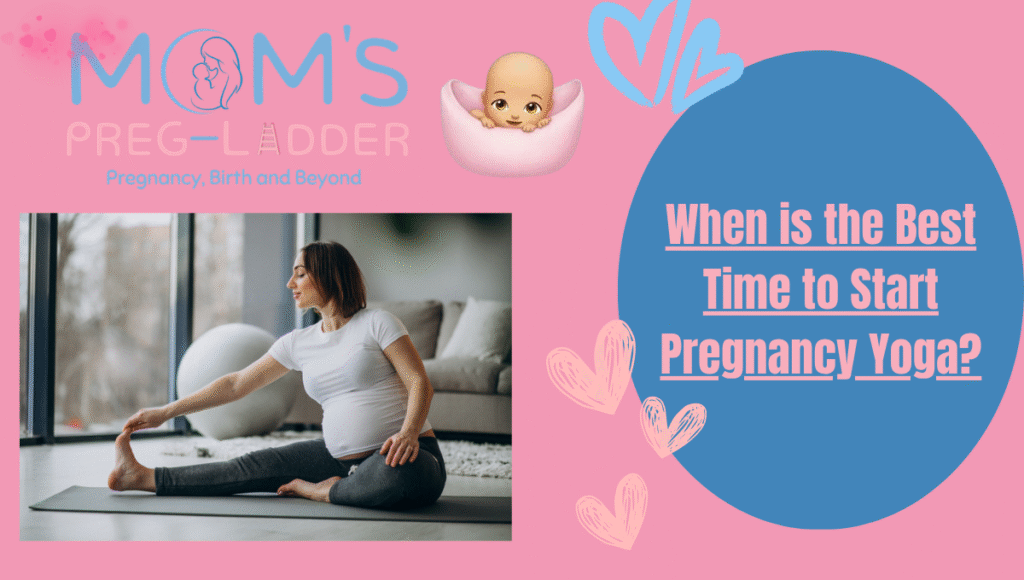
When is the best time to start?
You can start pregnancy yoga as soon as your doctor approves. Many women begin after their first trimester when energy levels improve and the risk of early pregnancy complications decreases. That said, gentle breathing exercises and meditation can start anytime.
How often should I practise?
Aim for two to three sessions per week, lasting 20 to 60 minutes each. Research suggests that 12 or more yoga sessions delivered weekly or bi-weekly have a significant impact on birth outcomes. Listen to your body and adjust frequency based on how you feel.
Will yoga help with labour pain?
The breathing and relaxation techniques learned in yoga can help you focus on your body and use your breath to stay calm, which may help during labour. While yoga won’t eliminate labour pain, it provides coping tools and mental strategies.
Can pregnancy yoga harm my baby?
When practised with proper modifications and safety guidelines, pregnancy yoga is safe. Studies found no evidence of adverse events in trials examining prenatal yoga, suggesting it’s a safe practice during pregnancy. The key is following proper technique, avoiding contraindicated poses, and listening to your body.
Tips for a Successful Pregnancy Yoga Practice
Make the most of your yoga sessions with these practical tips:
- Modify without hesitation: Every pregnancy is different. What works for others might not work for you, and that’s perfectly fine.
- Use props generously: Blocks, bolsters, and pillows aren’t crutches they’re tools that help you practise safely and comfortably.
- Wear comfortable clothing: Choose stretchy, breathable fabrics that move with you and don’t restrict your belly.
- Eat lightly beforehand: Have a light snack an hour or two before practice to avoid nausea, but don’t practise on a full stomach.
- Stay present: Use your practice time to connect with your baby and your changing body. This mindfulness helps both on and off the mat.
- Build community: Whether in person or online, connecting with other pregnant women through yoga creates lasting friendships and support.
Beyond the Mat: Integrating Yoga into Daily Life
Pregnancy yoga isn’t just about the poses you do in class. The principles extend into your everyday life:
- Practise breathing during stressful moments: Use the deep breathing techniques you’ve learned whenever you feel overwhelmed.
- Apply body awareness: The heightened awareness of alignment and posture from yoga helps you move more safely throughout your day.
- Take mindful breaks: Even a few minutes of gentle stretching or meditation can refresh you when fatigue hits.
- Use relaxation techniques: The relaxation skills from yoga help you sleep better and manage pregnancy discomforts.
Making Pregnancy Yoga Part of Your Journey
Pregnancy is a transformative experience, and yoga offers a supportive companion for the journey. At Mom’s Preg Ladder, we believe in empowering mothers with information and resources that support healthy pregnancies.
Whether you attend weekly classes or practise at home, pregnancy yoga provides physical relief, mental calm, and preparation for the incredible work of childbirth. Start where you are, modify as needed, and remember that every practice no matter how short or simple benefits both you and your baby.
The most important thing is listening to your body, staying within your comfort zone, and enjoying this special time. Your body is doing amazing work growing new life. Honour it with gentle movement, mindful breathing, and self-compassion.
Frequently Asked Questions About Pregnancy Yoga
Q: Is it safe to do yoga during the first trimester?
Yes, yoga is safe during the first trimester with proper precautions. Focus on gentle poses and avoid overexertion, as your body is undergoing major changes. Skip deep twists, backbends, and inversions. Always inform your instructor about your pregnancy so they can guide appropriate modifications for your stage.
Q: What should I avoid in pregnancy yoga classes?
Avoid hot yoga, as elevated temperatures can harm your baby’s development. Don’t lie flat on your back after 16 weeks, as this can reduce blood flow to your uterus. Skip deep abdominal twists, inversions, and poses that compress your belly. Also avoid jumping between poses and holding your breath during exercises.
Q: Can pregnancy yoga help prepare for labour?
Absolutely. Pregnancy yoga teaches breathing techniques that help you stay calm during contractions. It strengthens your pelvic floor muscles and improves flexibility in your hips, both important for childbirth. The mental focus developed through practice helps you cope with labour’s intensity and stay present during delivery.
Q: Do I need special equipment for pregnancy yoga?
You’ll need a yoga mat for cushioning and grip. Props like blocks, bolsters, pillows, and blankets become increasingly helpful as pregnancy progresses. These support your body in modified poses and help maintain proper alignment. A wall or sturdy chair for balance support is also useful, especially in your third trimester.
Q: How long can I continue doing pregnancy yoga?
You can practise pregnancy yoga throughout your entire pregnancy, right up until delivery. Many women find yoga helpful even in their final weeks. Just adjust your practice as needed what felt comfortable at 20 weeks might need modification at 35 weeks. Always follow your body’s signals and your healthcare provider’s guidance.