If you had a C-section with your last baby, you may be wondering whether you have to go through surgery again. The short answer is: not necessarily. Vaginal birth after cesarean, or VBAC delivery in pregnancy, is a real option for many women, and it comes with a solid success rate when the right conditions are in place.
This guide walks you through everything you need to know, from what VBAC actually means, to who is a good candidate, to the real benefits and risks your doctor will discuss with you.
What Is VBAC Delivery in Pregnancy?
VBAC stands for Vaginal Birth After Cesarean. It refers to delivering a baby vaginally in a subsequent pregnancy after having had at least one C-section before. The process of attempting this is called a Trial of Labor After Cesarean, or TOLAC.
For decades, the medical world operated under the principle of “once a cesarean, always a cesarean.” That thinking has changed significantly. Today, most major obstetric bodies, including the American College of Obstetricians and Gynecologists (ACOG), recognize VBAC as a safe and appropriate option for many women when the right medical criteria are met.
Here is the key number to know: Studies from Cleveland Clinic and UPMC show that VBAC has a success rate of 60% to 80%. About 70 to 75% of women who attempt a TOLAC go on to deliver vaginally. That is a meaningful number worth talking through with your care provider.
Who Is a Good Candidate for VBAC?
Not every woman will be a good fit for VBAC, and that is okay. The decision depends on a combination of your medical history, your current pregnancy, and the facility where you plan to deliver.
You may be a strong candidate if:
- You have had one previous C-section with a low transverse uterine incision (horizontal cut on the lower part of the uterus)
- You have had a previous vaginal delivery, including a prior successful VBAC
- You are under 35 years old
- Your baby is in a head-down position
- There is no placenta previa or other placental complications
- Your current pregnancy is a single baby (not multiples)
- At least 18 months have passed since your last C-section
VBAC is generally not recommended if:
- You had a classical (vertical) uterine incision in your previous C-section
- You have had a prior uterine rupture
- You have had two or more previous C-sections (though this can sometimes still be discussed with your doctor)
- There is a medical reason that prevents safe vaginal delivery, such as a transverse baby position or placenta previa
One detail many women do not know: the type of scar on your abdomen does not always match the incision on your uterus. Your doctor will review your surgical records to confirm the uterine incision type before recommending VBAC.
Benefits of VBAC Delivery in Pregnancy
Let’s break down the real advantages that a successful VBAC can offer.
Faster Recovery
Gemini said
To integrate yoga safely into a discussion about postpartum recovery and VBAC (Vaginal Birth After Cesarean), it is important to emphasize gentle, restorative movement that supports pelvic floor health without straining the body.
Here is the revised text:
The Path to a Successful VBAC
Vaginal delivery means no abdominal surgery. Women who have a successful VBAC typically stay in the hospital for about two nights and return to normal activities much sooner than after a C-section. There is no surgical incision to heal, no layers of tissue to recover from, and generally less postpartum pain.
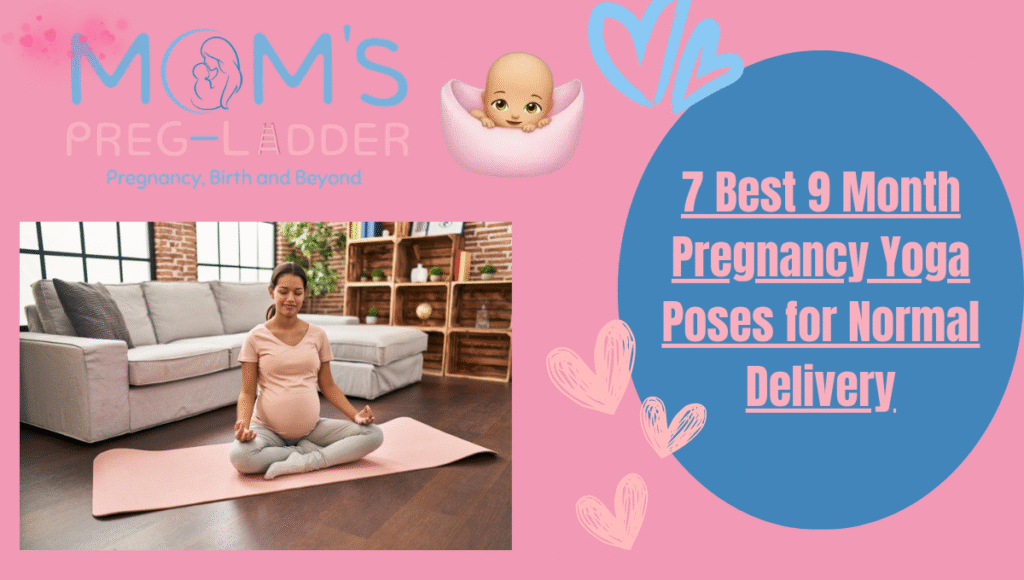
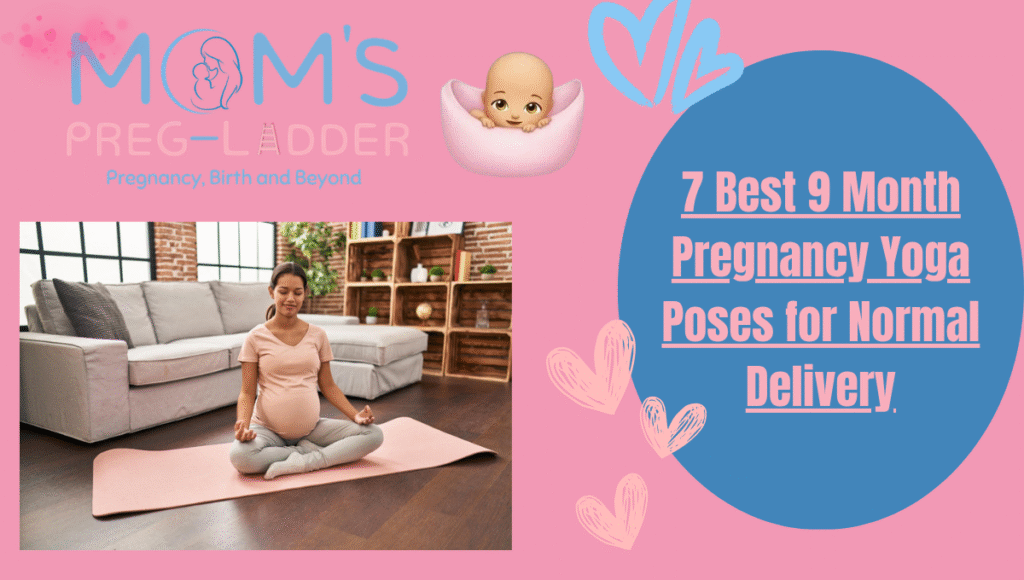
Once your healthcare provider clears you for light activity, incorporating restorative movement can aid your recovery. To support your body’s transition, consider these 7 safe yoga poses often recommended for a gentle postpartum return:
Corpse Pose (Savasana): Essential for deep relaxation and mental reset.
Mountain Pose (Tadasana): Promotes better posture and alignment.
Cat-Cow (Marjaryasana-Bitilasana): Gently releases tension in the spine.
Child’s Pose (Balasana): Provides a calming stretch for the hips and lower back.
Bound Angle Pose (Baddha Konasana): Helps gently open the hips.
Warrior I (Virabhadrasana I): Rebuilds leg strength and stability.
Legs-Up-The-Wall (Viparita Karani): Aids in circulation and reduces swelling.
Lower Risk of Surgical Complications
Every C-section carries surgical risks: heavy bleeding, infection, injury to the bladder or bowel, and reactions to anesthesia. A successful VBAC avoids all of these. According to Mayo Clinic, women who plan to have more children especially stand to benefit here, because each additional C-section increases the risk of complications in future pregnancies, including placenta accreta (where the placenta grows too deeply into the uterine wall) and placenta previa.
Better Outcomes for Future Pregnancies
This is one of the strongest arguments for VBAC if you plan to grow your family. Repeat cesareans carry increasing risks with each surgery, including more scarring, a higher chance of hysterectomy, and greater placental complications. Choosing VBAC reduces that cumulative risk.
Benefits for Your Baby
Babies born vaginally pass through the birth canal, which helps clear amniotic fluid from their lungs and prepares them to breathe right away. Research also shows that passage through the birth canal exposes babies to beneficial microbes that help build their immune systems, a benefit that C-section babies miss out on early on.
Earlier Breastfeeding Initiation
According to guidelines from the Association of Ontario Midwives (cited in Evidence Based Birth), VBAC supports earlier skin-to-skin contact and earlier breastfeeding initiation compared to repeat cesarean. For mothers who want to breastfeed, this head start matters. At Mom’s Preg Ladder, breastfeeding support is one of the core services offered, and getting that early start after a VBAC can make a real difference.
Risks of VBAC: What to Know Honestly
VBAC is safe for many women, but it is not without risk. Your doctor needs to give you the full picture, and so do we.
Uterine Rupture
This is the most talked-about risk. Uterine rupture happens when the previous C-section scar tears open during labor. It is serious and can be life-threatening to both mother and baby.
The important context: uterine rupture occurs in less than 1% of women who attempt TOLAC. That said, when it does happen, it typically requires an emergency C-section, can involve severe bleeding, and in some cases leads to an emergency hysterectomy.
Women who attempt VBAC less than 18 months after their previous C-section face roughly three times the risk of rupture compared to those who wait longer.
Failed VBAC Leading to Emergency C-Section
About 25% of women who attempt TOLAC end up needing an emergency C-section. An unplanned emergency C-section carries more risk than a scheduled one, including a higher chance of infection and bleeding. This is why VBAC must take place in a hospital equipped for continuous fetal monitoring and immediate surgical response.
Pelvic Floor Considerations
Vaginal delivery does carry a somewhat higher risk of pelvic floor strain compared to a planned cesarean. That said, research cited by FIGO (the International Federation of Gynecology and Obstetrics) points out that much of the pelvic floor risk is associated with pregnancy itself, not just the mode of delivery. A planned repeat C-section should not be viewed as a guaranteed protection against pelvic floor issues.
VBAC vs. Repeat C-Section: How to Weigh Your Options
There is no one-size-fits-all answer here. Both options carry risks. The key is to weigh them against each other with your specific health history in mind.
A repeat C-section may make more sense if:
- You have had two or more previous cesareans
- Your previous C-section was due to a reason that is likely to recur, like a narrow pelvis
- You have placenta previa or other placental complications
- You are carrying multiples
- Your delivery facility cannot handle a VBAC emergency
VBAC may be the better path if:
- You want more children in the future
- You had a low transverse incision and no other complications
- You have previously delivered vaginally
- You want to avoid the recovery and risks of another surgery
A decision aid from ACOG notes that the choice is deeply personal and should factor in your plans for future pregnancies, your values around birth experience, and your medical history. This is a conversation, not a checklist.
How to Improve Your Chances of a Successful VBAC
If you are planning to attempt VBAC, there are steps you can take to improve your odds.
Talk to your provider early. Bring up VBAC at your first prenatal appointment. Ask directly whether your doctor supports it and whether your delivery hospital is equipped to handle it.
Stay physically active. One study found that women who walked or jogged at least 200 minutes per week during pregnancy were more likely to have a successful VBAC.
Manage your pregnancy weight. Gaining more than 18 kg (about 40 pounds) during pregnancy increases the likelihood of needing a repeat C-section.
Attend labor preparation classes. Understanding the stages of labor, recognizing signs of progress, and learning breathing and relaxation techniques can all help. This is exactly the kind of preparation Mom’s Preg Ladder covers in their Labor Management Classes, designed to give you practical tools for navigating labor confidently.
Choose the right facility. VBAC must be attempted in a hospital that has continuous electronic fetal monitoring and can perform an emergency C-section immediately if needed. Not every hospital offers this, so confirm early.
Wait at least 18 months after your previous C-section. Spacing your pregnancies appropriately significantly reduces the risk of uterine rupture.
What Happens During a VBAC Labor?
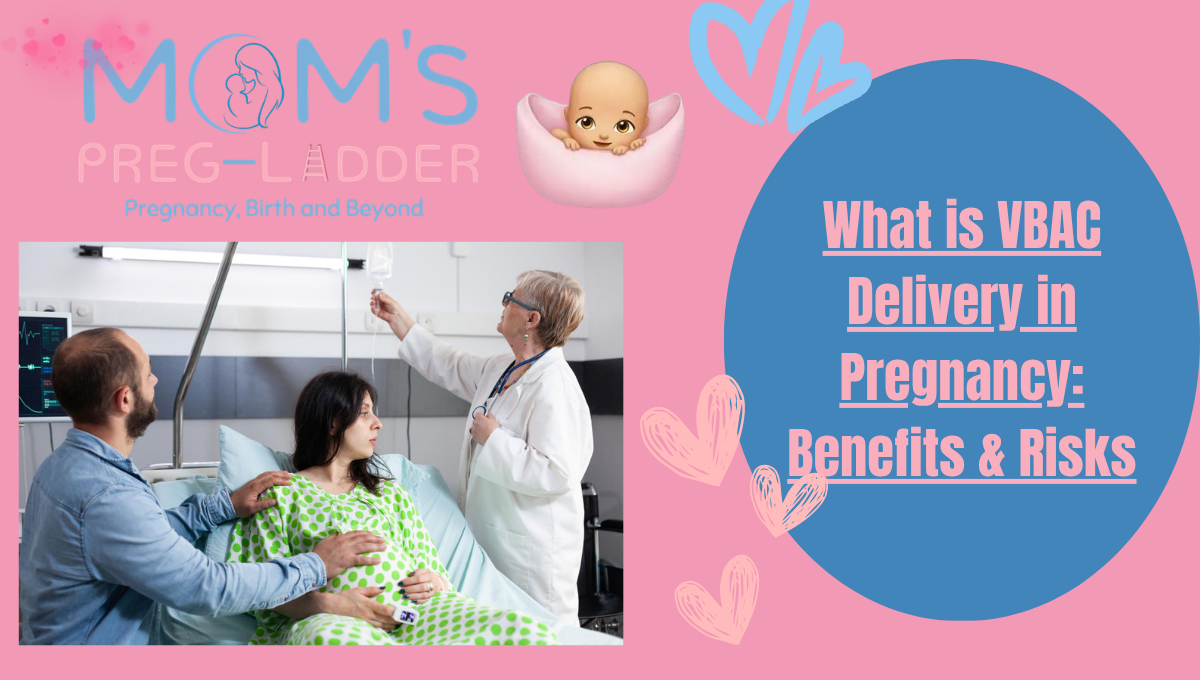
The process is largely similar to any other vaginal birth. You will be admitted to the labor ward, connected to continuous fetal heart rate monitoring, and attended by your obstetric team throughout. During this stage, using a yoga ball can be highly beneficial; it allows you to remain upright and mobile, which helps open the pelvis and uses gravity to assist the baby’s descent. Additionally, gently bouncing or swaying on the ball can significantly reduce labor pain and lower back pressure, providing a more comfortable environment for progress.
Final Thoughts
VBAC delivery in pregnancy is not the right choice for every woman, but for many, it is a safe and rewarding option. The success rates are real. The benefits are documented. And the risks, while worth taking seriously, are manageable when VBAC happens in the right setting with the right team.
The most important thing you can do is start the conversation early with your healthcare provider. Bring your questions, bring your preferences, and know that you have options.
If you are looking for structured support as you prepare for labor, Mom’s Preg Ladder offers Labor Management Classes and One-on-One Consultations that cover breathing techniques, relaxation strategies, and birth planning in a way that is practical and grounded in real maternal care experience. Knowing what to expect during labor is one of the most powerful things you can do for yourself, whatever birth path you choose.
FAQs About VBAC Delivery in Pregnancy
1. Is VBAC safe for the baby?
Yes, for most pregnancies VBAC is safe for the baby. Babies born vaginally through VBAC benefit from improved lung fluid clearance and early exposure to beneficial microbes. The main risk to the baby is related to uterine rupture, which affects fewer than 1 in 100 VBAC attempts.
2. Can I have a VBAC after two C-sections?
It depends. Some women with two prior low transverse cesareans are still considered candidates, but the risk profile changes and the conversation with your doctor becomes more detailed. Your surgical history, uterine scar type, and current pregnancy all factor into the decision.
3. Does VBAC hurt more than a C-section?
Labor pain and recovery pain are different experiences. Labor can be intense, but recovery after a successful VBAC is generally much easier and faster than recovering from abdominal surgery. Many women report less pain overall in the weeks following a vaginal birth.
4. What if my hospital does not allow VBAC?
This does happen. If VBAC is something you want to pursue and your current hospital does not support it, you can ask for a referral to a hospital that does. Larger university hospitals and facilities with 24/7 labor and delivery anesthesia teams are typically more equipped to offer VBAC.
5. How do I prepare for a VBAC?
Start by discussing it with your ob-gyn early in your pregnancy. Stay active, attend childbirth preparation classes, maintain a healthy weight, and choose a delivery facility that can support a VBAC safely. Building a birth plan with your care team and understanding what to expect during labor will also go a long way toward a calmer, more prepared experience.