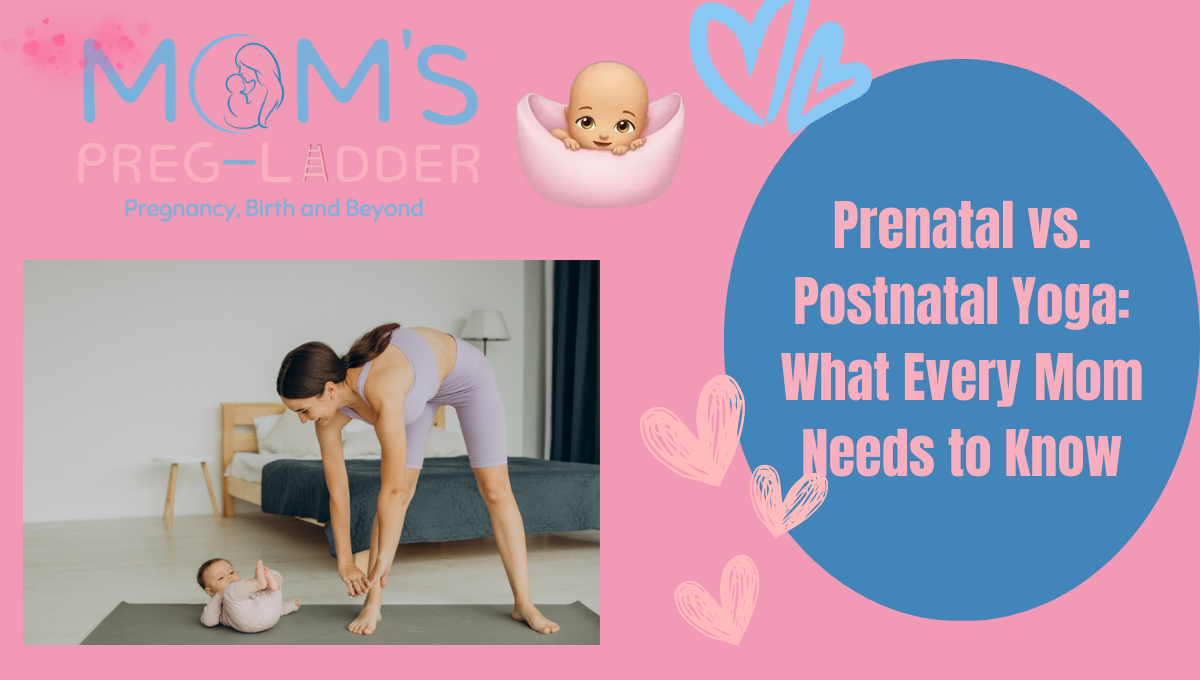
Pregnancy and the months that follow bring massive changes to your body. Your centre of gravity shifts, your muscles stretch, and your entire physical and emotional landscape transforms. Yoga can be a powerful tool during this journey, but the practice looks quite different before and after delivery.
Many expecting mums wonder whether they should start yoga during pregnancy or if it’s safe to return to their mat after childbirth. The answer is yes to both, but with different approaches. Let’s break down what makes prenatal vs. postnatal yoga unique and how each practice supports your body through different stages of motherhood.
Understanding Prenatal Yoga: Your Pregnancy Practice
Pre-Pregnancy Yoga Classes is designed specifically for pregnant women. The practice uses modified poses that accommodate a shifting balance and changing body. Think of it as your regular yoga class reimagined for pregnancy.
What Makes Prenatal Yoga Different?
During pregnancy, your body produces relaxin, a hormone that loosens ligaments and joints to prepare for childbirth. This means you’re actually more flexible than usual, but also more prone to overstretching. Prenatal yoga accounts for this by focusing on stability rather than pushing deeper into poses.
Classes typically include gentle stretching, focused breathing exercises, and mental centering techniques. You’ll work through poses that strengthen muscles needed for labour whilst avoiding anything that compresses your belly or requires you to lie flat on your back after 16 weeks.
Key Benefits of Prenatal Yoga
Research shows that yoga during pregnancy offers real benefits beyond just staying active. Studies indicate that yoga may reduce stress, anxiety and depression during pregnancy. Some women who practice prenatal yoga report shorter labour times and increased chances of vaginal delivery.
Physical perks include:
- Relief from back pain and pelvic discomfort
- Improved posture as your body adjusts to carrying extra weight
- Better sleep quality
- Reduced swelling in hands and feet
- Preparation for labour through breathing techniques
Prenatal yoga may help reduce labour pain and improve birth outcomes, making it more than just exercise. It’s preparation for one of the most physically demanding experiences of your life.
When to Start Prenatal Yoga
You can begin prenatal yoga any time during pregnancy once your doctor gives approval. It’s always a good idea to get clearance from your healthcare provider before starting, even if you’re an experienced yogi.
If you practiced yoga regularly before pregnancy, you can likely continue with modifications during the first trimester. Just slow down and avoid poses requiring deep abdominal stretches. New to yoga? No problem. Prenatal classes are designed for all levels.
At Mom’s Preg Ladder, trimester-specific yoga sessions help expecting mothers build flexibility and find relaxation throughout their pregnancy journey.
Safety Guidelines for Prenatal Yoga
Here’s what to keep in mind:
Avoid these completely:
- Hot yoga or Bikram yoga (room temperatures above 40°C can cause hyperthermia)
- Deep twists that compress your abdomen
- Lying flat on your back after 16 weeks
- Jumping between poses
- Advanced backbends
Do this instead:
- Stay cool and hydrated, practicing in well-ventilated rooms
- Listen to your body and stop if something hurts
- Use props like blocks and bolsters for support
- Breathe steadily through poses without holding your breath
- Modify poses as your pregnancy progresses
If you experience vaginal bleeding, severe headaches, chest pain, or decreased foetal movement during practice, stop immediately and contact your healthcare provider.
Postnatal Yoga: Rebuilding After Birth
Postnatal yoga (also called postpartum yoga) is completely different from prenatal practice. This modified, low-intensity practice is designed to help your body recover after childbirth.
After delivery, your body needs time to heal. Your abdominal muscles have stretched, your pelvic floor has weakened, and you might have surgical incisions or perineal tears. Postnatal yoga addresses these specific issues with gentle, restorative movements.
When Can You Start Postnatal Yoga?
The timing depends on your delivery and recovery. After an uncomplicated vaginal delivery, yoga can gently start around the fifth or sixth week with healthcare team guidance. If you had a caesarean section, wait about eight weeks before beginning gentle practice.
That said, you can start with breathing exercises much sooner. Simple diaphragmatic breathing helps care for scar tissue, reawaken your pelvic floor, and begin drawing your core back together.
Benefits of Postnatal Yoga
The three main benefits include rebuilding muscle tone, maintaining spine and pelvis integrity, and preventing postpartum depression.
Let’s explore each:
Physical Recovery Yoga helps build strength in uterine muscles, which are part of the pelvic floor muscles. Your abdominals, back, and pelvic floor took a serious toll during pregnancy and labour. Gentle yoga helps restore strength without straining healing tissues.
Postnatal yoga also:
- Relieves tight shoulders and back from nursing and carrying your baby
- Addresses diastasis recti (abdominal separation)
- Improves circulation and promotes healing
- Eases tension and reduces muscle soreness
Mental Health Support Postpartum depression affects around 15% of new mothers, making mental health support crucial. Research shows postnatal yoga decreases depressive symptoms and increases psychological wellbeing.
The practice offers you dedicated time to focus on yourself, not just your baby. It helps balance energy levels, reduces stress, and creates space for emotional processing during this major life transition.
Community Connection Postnatal yoga classes provide opportunities to meet other new mums going through similar experiences. This social support can be incredibly valuable when you’re navigating the challenges of new parenthood.
Mom’s Preg Ladder understands that motherhood doesn’t end at delivery. Their focus on comprehensive pregnancy support extends through the postpartum period, helping new mothers navigate recovery with expert guidance.
Safe Postnatal Yoga Poses
Start with these gentle movements:
- Child’s Pose: Restores your abdomen and promotes blood flow. Kneel with knees wide, sit back on your heels, and extend arms forward.
- Cat-Cow Stretch: Moves your spine gently and relieves back tension. On all fours, alternate between arching and rounding your back.
- Legs-Up-The-Wall: Resets your nervous system and reduces leg swelling. Lie with your bottom against a wall and extend legs upward.
- Bridge Pose: Strengthens your back, glutes and legs whilst stretching your chest. Lie on your back with knees bent, lift hips toward ceiling.
- Supported Reclined Bound Angle: Opens hips gently. Lie back supported by a bolster, with soles of feet together and knees falling to sides.
What to Avoid in Postnatal Yoga
Avoid poses that stress the midline, hyperextend the chest, require excessive core strength, or increase belly pressure.
Skip these until you’re fully healed:
- Full wheel or camel pose
- Traditional crunches or sit-ups
- Leg lifts and bicycle movements
- Deep backbends
- Inversions like headstands
If you notice increased bleeding, dizziness, or rapid heart rate during practice, seek medical care immediately.
Prenatal vs. Postnatal Yoga: Key Differences
Whilst both practices use yoga principles, they serve completely different purposes. Here’s a quick comparison:
Focus:
- Prenatal: Preparing body for labour, managing pregnancy discomfort
- Postnatal: Recovery, rebuilding strength, healing
Intensity:
- Prenatal: Moderate, maintaining fitness with modifications
- Postnatal: Very gentle initially, gradually increasing
Core Work:
- Prenatal: Gentle engagement, no deep compression
- Postnatal: Careful rebuilding, addressing separation
Timeline:
- Prenatal: Any time during pregnancy with doctor approval
- Postnatal: 5-6 weeks for vaginal birth, 8 weeks for caesarean
Breathing Emphasis:
- Prenatal: Preparation for labour contractions
- Postnatal: Reconnection with pelvic floor and core
Poses:
- Prenatal: Modified traditional poses, no lying on back after 16 weeks
- Postnatal: Restorative poses, pelvic floor focus
Both practices require listening to your body and working with qualified instructors who understand the specific needs of pregnant and postpartum women.
Finding the Right Class
Whether you’re expecting or recovering, finding a proper instructor matters. Look for teachers with specific prenatal or postnatal yoga training. They’ll understand the anatomical changes you’re experiencing and provide appropriate modifications.
At Mom’s Preg Ladder, established by internationally certified childbirth educator Mrs. Swapnil Kaushik, you’ll find expert guidance tailored to each stage of your motherhood journey. Their trimester-specific approach ensures you’re getting the right practice for your current needs.
When evaluating a class:
- Ask about the instructor’s certification
- Check class size (smaller groups allow for individual attention)
- Observe a session before joining if possible
- Ensure the studio is comfortable and well-ventilated
- Confirm they offer modifications for different pregnancy stages or postpartum conditions
Tips for Success in Your Yoga Practice
During Pregnancy:
- Start slowly if you’re new to yoga
- Use props generously for support
- Stay hydrated and keep room temperature moderate
- Wear comfortable, breathable clothing
- Never push through pain
After Delivery:
- Wait for medical clearance before beginning
- Begin with just breathing exercises
- Don’t compare your recovery to others
- Gradually increase intensity over weeks and months
- Focus on how you feel, not how you look
For Both:
- Consistency matters more than intensity
- Connect with other mums in similar stages
- Be patient with your changing body
- Celebrate small victories
- Remember that yoga is not just physical exercise
Common Questions About Pregnancy and Postpartum Yoga
Can yoga help with specific pregnancy complaints?
Yes. Gentle stretches and movements can ease back pain, hip discomfort and pelvic pressure. Different poses target different issues, so mention your specific concerns to your instructor.
What if I’ve never done yoga before pregnancy?
Perfect! Prenatal classes welcome complete beginners. You’ll learn breathing techniques, basic poses, and relaxation practices from the ground up.
How long should I practice each day?
About 30 minutes of moderate activity per day is good for most pregnant people. This can include yoga, walking, or a combination. Listen to your body and adjust accordingly.
Will prenatal yoga guarantee an easier labour?
Whilst nothing can guarantee an easy labour, yoga provides tools that may help. You’ll practice breathing through discomfort, learn to relax tense muscles, and build strength for the physical demands of childbirth.
Can I bring my baby to postnatal yoga?
Many postnatal classes welcome babies. Some even incorporate baby massage and bonding exercises. Check with individual studios about their policies.
The Bottom Line
Prenatal vs. postnatal yoga isn’t about which is better, it’s about choosing the right practice for your current stage. Prenatal yoga prepares your body and mind for labour whilst managing pregnancy discomfort. Postnatal yoga helps you heal, rebuild strength, and navigate the emotional landscape of new motherhood.
Both practices offer meaningful physical benefits, mental health support, and a sense of community, especially when guided by trusted, stage-specific resources like Moms Preg Ladder, which emphasizes informed, compassionate care throughout pregnancy and postpartum recovery. Whether you’re expecting your first baby or recovering after your third delivery, yoga can be a valuable and adaptable tool in your wellness toolkit.
The key is finding qualified instruction, listening to your body, and giving yourself grace through this transformative time. Your yoga practice should feel supportive, not stressful. Start where you are, move at your own pace, and trust that your body knows what it needs.
Remember, every pregnancy and every recovery is unique. What works for someone else might not work for you, and that’s perfectly okay. The most important thing is that you’re taking time to care for yourself during this special journey into or through motherhood.
Frequently Asked Questions
Q: What is the main difference between prenatal and postnatal yoga?
Prenatal yoga focuses on preparing your body for labour through gentle exercises whilst managing pregnancy symptoms. Postnatal yoga concentrates on recovery after childbirth, rebuilding core and pelvic floor strength, and supporting mental health. The practices use different poses, intensities, and modifications based on whether you’re pregnant or healing from delivery.
Q: When is it safe to start prenatal yoga during pregnancy?
You can start prenatal yoga any time during pregnancy once your healthcare provider approves. If you regularly practiced yoga before conception, you can likely continue with modifications from the start. New practitioners should begin slowly and inform their instructor about their pregnancy stage for appropriate guidance and modifications throughout each trimester.
Q: How soon after giving birth can I begin postnatal yoga?
After an uncomplicated vaginal delivery, you can typically start gentle postnatal yoga around five to six weeks postpartum with medical clearance. If you had a caesarean section, wait approximately eight weeks before beginning practice. You can start breathing exercises much sooner to support healing, but always consult your doctor before resuming physical activity.
Q: Can yoga during pregnancy help with labour pain?
Yes, research suggests that regular prenatal yoga practice may help reduce labour pain. The breathing techniques you learn can help you work through contractions, whilst the physical poses build strength and flexibility needed for delivery. Some studies show women who practice prenatal yoga report shorter labour times and increased confidence during childbirth.
Q: What should I avoid in postnatal yoga practice?
Avoid poses that place excessive stress on your abdominal muscles, such as traditional crunches, full planks, or deep backbends like wheel pose. Skip inversions and movements that compress your healing pelvic floor. Focus instead on gentle, restorative poses that support recovery. Always stop if you experience bleeding, dizziness, or pain during practice.