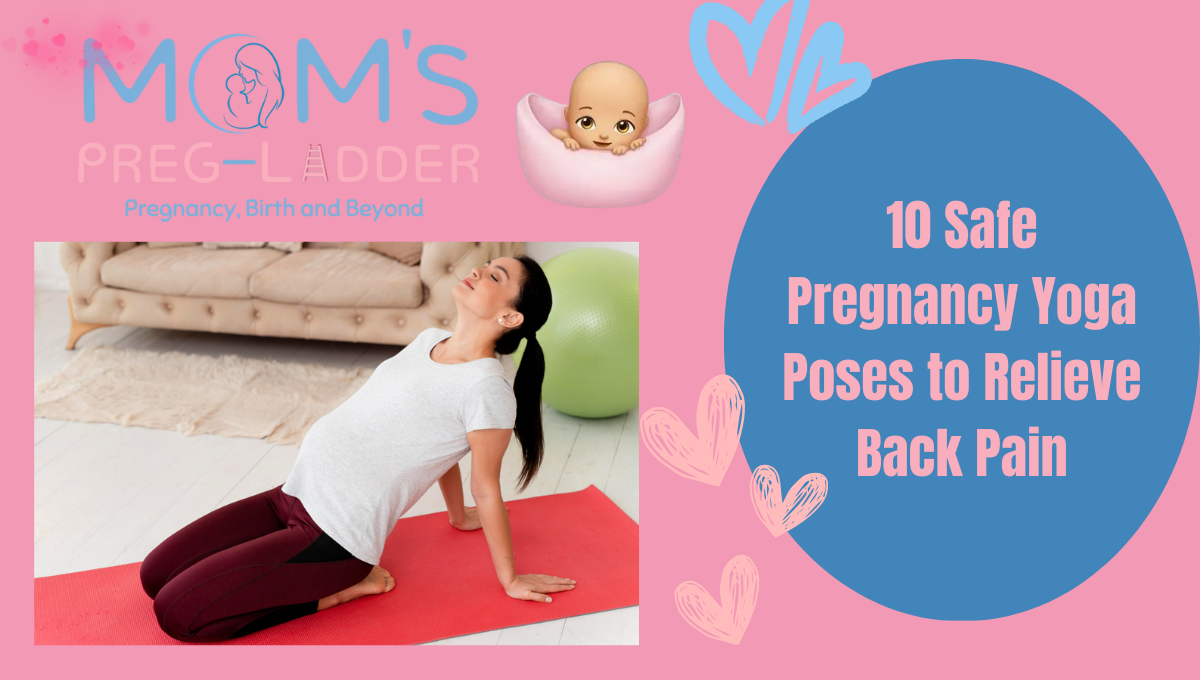
Pregnancy brings joy, but it also brings back pain. Nearly 70% of expectant mothers experience some form of back discomfort during their nine-month journey. The good news? Gentle yoga can provide natural relief while supporting your changing body.
Back pain during pregnancy happens for many reasons. Your growing baby shifts your center of gravity forward, forcing your lower back to compensate. Hormones like relaxin loosen your joints and ligaments, reducing spinal support. The extra weight you carry adds stress to your back muscles.
Pregnancy yoga classes for back pain offer a safe, effective solution. These movements strengthen your core, improve posture, and release tension in overworked muscles. Before starting any exercise routine during pregnancy, consult your healthcare provider. Once cleared, these gentle poses can become your daily companions.
Why Back Pain Happens During Pregnancy
Your body undergoes remarkable changes to accommodate new life. The uterus expands, pulling your pelvis forward and creating an exaggerated curve in your lower back. This position, called lordosis, strains the muscles along your spine.
Weight gain concentrates in your abdomen, further challenging your back muscles. Your abdominal muscles stretch and weaken, reducing their ability to support your spine. Poor posture while sitting, standing, or sleeping compounds these issues.
Stress adds another layer. When you feel anxious or overwhelmed, your muscles tense up, particularly in your neck, shoulders, and lower back. Safe pregnancy yoga addresses both the physical and emotional components of pain.
Benefits of Pregnancy Yoga for Your Back
Yoga during pregnancy does more than ease back pain. Regular practice improves flexibility, helping your body adapt to its changing shape. Strengthening exercises build the muscles that support your spine and pelvis.
Deep breathing techniques reduce stress hormones and promote relaxation. This mind-body connection helps you manage discomfort more effectively. Many women find that yoga improves their sleep quality, which suffers when back pain strikes at night.
The American College of Obstetricians and Gynecologists recognizes yoga as a safe activity for most pregnant women. Research published in the Journal of Alternative and Complementary Medicine found that prenatal yoga significantly reduces lower back pain intensity.
Essential Safety Guidelines for Pregnancy Yoga
Listen to your body above all else. If a pose causes pain, dizziness, or shortness of breath, stop immediately. Avoid lying flat on your back after the first trimester, as this position can compress major blood vessels.
Skip poses that require deep twisting, inversions, or lying on your stomach. Balance poses become trickier as your center of gravity shifts, so use a wall or chair for support. Never push into pain or force your body into positions that feel uncomfortable.
Stay hydrated and practice in a cool environment. Overheating poses risks during pregnancy. Use props like blocks, bolsters, and blankets to modify poses as your belly grows.
Mom’s Preg Ladder emphasizes proper form and safety in pregnancy fitness. Their approach aligns with medical guidelines for prenatal exercise.
10 Safe Pregnancy Yoga Poses for Back Pain Relief
1. Cat-Cow Pose (Marjaryasana-Bitilasana)
Start on your hands and knees with wrists under shoulders and knees under hips. Inhale, drop your belly, and lift your chest and tailbone toward the ceiling (Cow). Exhale, round your spine, and tuck your chin and tailbone (Cat). Flow between these positions for 8-10 breaths.
This gentle movement mobilizes your entire spine, releasing tension and improving flexibility. The flowing motion massages your back muscles and organs while creating space between vertebrae.
2. Child’s Pose (Balasana) – Modified
Kneel on the floor with knees wide apart, allowing space for your belly. Lower your hips toward your heels and extend your arms forward. Rest your forehead on the floor, a block, or a folded blanket.
This resting pose gently stretches your lower back, hips, and thighs. It calms your nervous system and provides a moment of quiet reflection. Keep knees wide enough to accommodate your growing belly comfortably.
3. Pelvic Tilts
Lie on your back (first trimester only) or stand against a wall. Gently press your lower back flat by tilting your pelvis upward. Hold for 5 seconds, then release. Repeat 10-15 times.
Pelvic tilts strengthen your abdominal muscles and reduce the curve in your lower back. This simple movement can be done anywhere and provides quick relief from aching muscles.
4. Supported Squat (Malasana)
Stand with feet slightly wider than hip-width. Lower into a squat position, keeping heels on the ground if possible. Place a yoga block or folded blanket under your sitting bones for support. Bring hands to prayer position at your heart.
Squats open your hips and pelvis while strengthening your legs and lower back. This position also prepares your body for labor. Use wall support if balance feels challenging.
5. Side-Lying Savasana
Lie on your left side with a pillow between your knees and another supporting your head. Place a rolled blanket or pillow under your belly for extra support. Allow your body to relax completely.
This modified resting pose promotes circulation while relieving pressure on your back. The left-side position optimizes blood flow to your baby. Practice this position for sleep as well.
6. Standing Forward Fold – Modified
Stand with feet hip-width apart. Place your hands on a chair, wall, or your thighs. Hinge forward from your hips, keeping your back straight rather than rounded. Let your head hang naturally.
This pose stretches your hamstrings and lower back while reducing pressure on your spine. The supported version provides stability and prevents dizziness from bending too far forward.
7. Seated Spinal Rotation – Gentle
Sit cross-legged or on a chair with feet flat on the floor. Place your right hand behind you and left hand on your right knee. Gently rotate your torso to the right, keeping the twist above your belly. Hold for 3-5 breaths, then switch sides.
Gentle twists release tension in your mid and upper back. Always twist from your shoulders and ribs, never your belly. This movement maintains spinal mobility without compressing your abdomen.
8. Thread the Needle Pose
Start on hands and knees. Slide your right arm under your left arm, lowering your right shoulder and ear to the floor. Keep your left hand planted or extend it forward. Hold for 5-8 breaths, then switch sides.
This pose releases tension between your shoulder blades and stretches your upper back. It provides relief from the rounded shoulders that often develop during pregnancy.
9. Butterfly Pose (Baddha Konasana)
Sit with your spine straight and bring the soles of your feet together. Let your knees fall open to the sides. Hold your feet or ankles and sit tall. Avoid forcing your knees down.
Butterfly pose opens your hips and inner thighs while improving posture. Sit on a folded blanket to elevate your hips if your back rounds. This position stretches the muscles around your pelvis that contribute to back pain.
10. Supported Bridge Pose
Lie on your back (first trimester only) with knees bent and feet flat. Place a yoga block or firm cushion under your sacrum (the flat bone at the base of your spine). Let your body rest on the support.
This gentle backbend opens your chest and hip flexors while supporting your lower back. The prop eliminates strain while providing therapeutic benefits. After the first trimester, skip this pose or practice against a wall.
Creating Your Daily Practice Routine
Start with 10-15 minutes daily and gradually increase as you feel stronger. Morning practice energizes your day, while evening sessions promote better sleep. Choose a quiet space where you can focus without distractions.
Warm up with gentle movements before attempting deeper stretches. End each session with a few minutes of relaxation in side-lying position. Consistency matters more than duration when building a sustainable practice.
Mom’s Preg Ladder provides resources for pregnant women seeking safe exercise options. Their guidance can help you build confidence in your practice.
When to Seek Medical Attention
Stop exercising and contact your healthcare provider if you experience vaginal bleeding, fluid leakage, or severe abdominal pain. Persistent headaches, chest pain, or calf swelling also require immediate medical attention.
If back pain worsens despite regular yoga practice, consult your doctor. Sometimes back pain signals underlying conditions that need medical treatment. Sciatica, characterized by shooting pain down one leg, may require physical therapy.
Beyond the Mat: Supporting Your Back Throughout the Day
Good posture prevents back pain between yoga sessions. When sitting, use a small pillow to support your lower back. Keep both feet flat on the floor and avoid crossing your legs.
Sleep on your left side with a pillow between your knees. Invest in a supportive mattress or add a foam topper to your current bed. Wear low-heeled, supportive shoes that distribute your weight evenly.
Lift objects by bending your knees, not your back. Ask for help with heavy items. Take frequent breaks to stand and stretch if you sit for long periods.
Apply heat or cold to sore muscles. Warm baths or heating pads set to low provide soothing relief. Some women prefer ice packs for acute pain. Never apply heat or ice directly to skin.
Breathing Techniques for Pain Management
Breath awareness forms the foundation of yoga practice. When you notice pain, pause and take slow, deep breaths. Inhale through your nose for a count of four, hold briefly, then exhale through your mouth for a count of six.
This breathing pattern activates your parasympathetic nervous system, reducing pain perception. Practicing breathing techniques during pregnancy also prepares you for labor breathing patterns.
Combine breathing with visualization. Imagine your breath flowing to tense areas, bringing fresh oxygen and carrying away discomfort. This mind-body technique enhances the physical benefits of yoga.
Building a Support Network
Join a prenatal yoga class to connect with other expectant mothers. Instructors trained in pregnancy yoga can offer modifications and ensure proper form. The social support reduces stress and provides emotional encouragement.
Many communities offer free or low-cost prenatal yoga classes through hospitals, community centers, or yoga studios. Online classes provide flexibility for women with scheduling challenges or limited mobility.
Share your yoga practice with your partner. They can learn poses that help relieve your back pain through gentle massage or assistance with stretches. This shared activity strengthens your bond during pregnancy.
Conclusion
Back pain need not define your pregnancy experience. These 10 safe pregnancy yoga poses for back pain provide natural, effective relief while preparing your body for birth. Regular practice strengthens the muscles supporting your spine, improves flexibility, and reduces stress.
Remember that every pregnancy differs. What works for one woman may not suit another. Listen to your body, modify poses as needed, and celebrate what you can do rather than focusing on limitations.
Mom’s Preg Ladder supports your journey through pregnancy with reliable information and guidance. Start slowly, stay consistent, and enjoy the many benefits yoga brings to your prenatal experience. Your back will thank you, and so will your baby.
Frequently Asked Questions
Q1: Can I start pregnancy yoga if I never practiced yoga before?
Yes, you can begin yoga during pregnancy even as a complete beginner. Choose gentle, prenatal-specific classes or poses designed for expectant mothers. Start slowly with basic poses and focus on proper breathing. Always inform your instructor about your pregnancy and any health concerns. Listen to your body and never push into pain. Many women discover yoga during pregnancy and continue practicing afterward.
Q2: Which trimester is best to start yoga for back pain?
You can safely start pregnancy yoga during any trimester with your doctor’s approval. The second trimester often feels ideal because morning sickness has passed and you have not yet reached maximum size. First-trimester yoga helps prevent back pain before it starts. Third-trimester practice requires more modifications but remains beneficial. Consistency throughout pregnancy provides the best results for managing and preventing back pain.
Q3: How often should I practice yoga to relieve pregnancy back pain?
Daily practice of 10-15 minutes provides better results than longer weekly sessions. Your muscles respond best to consistent, gentle movement rather than occasional intense workouts. Even 5 minutes of cat-cow stretches or pelvic tilts can ease acute pain. As you build strength and flexibility, gradually increase session length to 30 minutes. Quality and consistency matter more than duration when practicing pregnancy yoga.
Q4: Are there any yoga poses I should completely avoid during pregnancy?
Yes, avoid deep twists that compress your abdomen, inversions like headstands, poses lying flat on your back after 16 weeks, and anything on your belly. Skip hot yoga due to overheating risks. Avoid jumps, bouncing movements, or poses requiring extreme balance without support. Any position causing pain, dizziness, or breathlessness should be stopped immediately. Closed twists, backbends deeper than gentle extensions, and forceful breathing techniques are also unsuitable.
Q5: Can yoga reduce my need for pain medication during pregnancy?
Many women find regular yoga practice significantly reduces their reliance on pain medication for back discomfort. Yoga addresses both physical tension and stress contributing to pain. The strengthening and stretching effects provide lasting relief rather than temporary masking of symptoms. While yoga helps many women manage pain naturally, severe or persistent pain may still require medical intervention. Always discuss pain management options with your healthcare provider before reducing any prescribed medications.