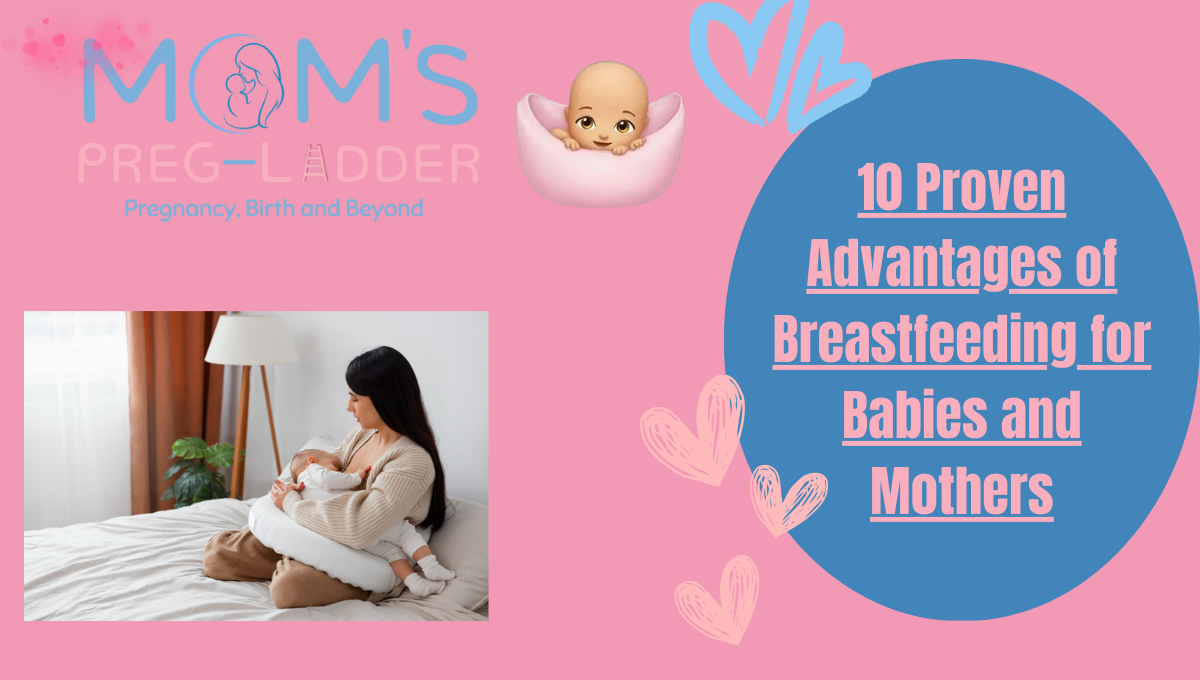
Breastfeeding remains one of nature’s most powerful gifts to both mothers and their newborns. While formula feeding serves as a valid alternative, understanding the science-backed advantages of breastfeeding helps families make informed decisions about infant nutrition.
Let’s break down the ten most well-documented benefits that breastfeeding offers to babies and mothers alike.
1. Perfect Nutrition Tailored for Your Baby
Breast milk contains the ideal balance of proteins, fats, vitamins, and carbohydrates that your baby needs. Unlike formula, which maintains a consistent composition, breast milk changes to match your baby’s evolving nutritional requirements.
Colostrum, the first milk produced after delivery, is thick, yellowish, and packed with antibodies. This “liquid gold” is low in sugar but high in protective compounds and proteins. Within a few days, colostrum transitions to mature milk, which adjusts its composition throughout each feeding session. The milk at the beginning of a feed (foremilk) quenches thirst, while the creamier hindmilk satisfies hunger.
The World Health Organization recommends exclusive breastfeeding for the first six months of life, followed by continued breastfeeding alongside complementary foods for up to two years or beyond. Mom’s Preg Ladder provides resources that help new mothers navigate these early breast feeding classes with confidence.
2. Antibodies That Shield Against Infections
Breast milk transfers a mother’s immune protection directly to her baby. When a mother encounters bacteria or viruses, her body produces specific antibodies that pass through breast milk, creating a personalized immune shield for her infant.
Immunoglobulin A (IgA) forms a protective layer in the baby’s nose, throat, and digestive system, preventing pathogens from entering the bloodstream. Research published by the American Academy of Pediatrics shows that breastfed babies have fewer ear infections, respiratory illnesses, and bouts of diarrhoea compared to formula-fed infants.
This protection is particularly important during the first few months when a baby’s immune system is still developing. The antibodies in breast milk provide immediate defence while the infant’s own immune response matures.
3. Reduced Risk of Chronic Diseases
Breastfeeding lowers the likelihood of developing several chronic conditions later in life. Studies from the National Institutes of Health indicate that children who were breastfed show lower rates of type 1 and type 2 diabetes, asthma, and certain childhood cancers.
The gut bacteria composition of breastfed babies differs significantly from formula-fed infants. This healthy gut microbiome, established through breastfeeding, may protect against inflammatory bowel disease, celiac disease, and Crohn’s disease as children grow.
Research also suggests a connection between breastfeeding and reduced obesity rates. The self-regulation that breastfed babies develop while feeding may help them maintain healthier eating patterns throughout childhood.
4. Brain Development and Cognitive Function
The fatty acids in breast milk, particularly DHA (docosahexaenoic acid), support brain and eye development. Multiple studies have found associations between breastfeeding duration and higher scores on intelligence tests during childhood and adolescence.
Premature babies who receive breast milk show better brain development compared to those fed formula exclusively. The physical closeness during breastfeeding also promotes bonding and emotional security, which contributes to healthy psychological development.
The interactive nature of breastfeeding, with eye contact and skin-to-skin touch, stimulates neural pathways that support learning and emotional regulation. These early experiences lay the foundation for healthy attachment patterns.
5. Faster Postpartum Recovery for Mothers
Breastfeeding triggers the release of oxytocin, often called the “love hormone.” This hormone helps the uterus contract back to its pre-pregnancy size, reducing postpartum bleeding and speeding recovery.
Mothers who breastfeed typically experience less blood loss after delivery and faster shrinkage of the uterus. The calorie burn associated with milk production, approximately 500 calories per day, helps many mothers return to their pre-pregnancy weight more quickly.
Mom’s Preg Ladder offers guidance on postpartum care, including support for mothers establishing breastfeeding routines while recovering from childbirth.
6. Lower Risk of Postpartum Depression
The hormonal changes triggered by breastfeeding may provide some protection against postpartum depression. Oxytocin and prolactin, released during nursing, promote relaxation and nurturing feelings.
Research published in maternal health journals shows that mothers who breastfeed report lower rates of postpartum depression compared to those who don’t. The built-in rest periods during nursing sessions may also help mothers manage stress and sleep deprivation better.
While breastfeeding doesn’t guarantee protection from postpartum depression, and mothers who cannot or choose not to breastfeed can bond beautifully with their babies through other means, the hormonal benefits do offer some protective effects.
7. Reduced Cancer Risk for Mothers
Women who breastfeed have lower rates of breast and ovarian cancer. Each year of breastfeeding reduces breast cancer risk by approximately 4.3%, according to studies published by Cancer Research UK.
The hormonal changes during lactation delay the return of menstruation, which means fewer menstrual cycles over a lifetime. This reduction in oestrogen exposure may explain the decreased ovarian cancer risk. Breastfeeding also causes changes in breast cells that may make them more resistant to becoming cancerous.
These protective effects increase with longer duration of breastfeeding, providing mothers with long-term health benefits that extend well beyond the infant years.
8. Natural Spacing Between Pregnancies
Exclusive breastfeeding can delay the return of fertility through a phenomenon called lactational amenorrhea. When mothers breastfeed frequently, day and night, without introducing formula or solid foods, hormonal changes suppress ovulation.
This method of birth spacing, when practised correctly, is about 98% effective for the first six months postpartum. However, it requires exclusive breastfeeding with no long gaps between feeds, including night-time nursing.
While not a guaranteed contraceptive method, lactational amenorrhea gives mothers’ bodies time to recover between pregnancies. Healthcare providers recommend discussing family planning options regardless of breastfeeding status.
9. Financial Savings for Families
Breast milk is free, while formula feeding costs Indian families anywhere from ₹3,000 to ₹8,000 per month, depending on the brand and baby’s consumption. Over the first year, these costs add up significantly.
Beyond formula expenses, breastfed babies typically require fewer doctor visits for illnesses, reducing medical costs. The time saved from not preparing bottles, particularly during night feeds, also has practical value for sleep-deprived parents.
Mom’s Preg Ladder recognizes that feeding choices are personal and multifaceted, but the economic advantages of breastfeeding can relieve financial pressure on families during an already expensive time.
10. Environmental Sustainability
Breastfeeding produces no packaging waste, requires no manufacturing resources, and generates no carbon emissions from production or transport. Formula production involves considerable environmental costs, including water usage, energy for manufacturing, and disposal of tins and bottles.
The environmental impact extends beyond production. Formula preparation requires clean water, which isn’t accessible to everyone globally, and energy for heating. Breastfeeding, in contrast, is a renewable resource that’s always available at the right temperature.
For families concerned about their environmental footprint, breastfeeding aligns with sustainable living practices while providing health benefits.
elementor-template id=”16465″
Creating a Supportive Environment for Breastfeeding Success
Understanding the benefits of breastfeeding classes before child birth is just the first step. Success often requires practical support, patience, and access to accurate information.
Many mothers face challenges like latching difficulties, concerns about milk supply, or returning to work. Connecting with lactation consultants, joining support groups, and accessing evidence-based resources can make the difference between giving up and continuing.
Here is why community matters: mothers who have access to supportive networks and accurate information are more likely to meet their breastfeeding goals. Whether through online platforms, local support groups, or healthcare providers, finding the right help is important.
Final Thoughts
The benefits of breastfeeding extend far beyond basic nutrition. From immune protection and disease prevention to maternal health advantages and environmental sustainability, breastfeeding offers remarkable benefits to both babies and mothers.
Every family’s situation is unique, and feeding decisions should align with individual circumstances, health conditions, and personal preferences. What matters most is that babies are fed, loved, and cared for, whether through breast milk, formula, or a combination of both.
For mothers choosing to breastfeed, accessing reliable information and support makes the journey smoother. Platforms like Mom’s Preg Ladder provide resources that help families navigate pregnancy, childbirth, and early parenting with confidence and clarity.
Frequently Asked Questions About Breastfeeding
How long should mothers exclusively breastfeed their babies?
The World Health Organization and Indian Academy of Pediatrics recommend exclusive breastfeeding for the first six months of life. This means no water, other liquids, or solid foods during this period. After six months, mothers should introduce appropriate complementary foods while continuing to breastfeed for at least two years or longer based on mutual desire.
Can breastfeeding prevent all childhood illnesses?
Breastfeeding provides powerful immune protection but doesn’t prevent all illnesses. Breastfed babies still catch colds and infections, but research shows they typically experience fewer illnesses and less severe symptoms compared to formula-fed infants. The antibodies in breast milk offer protection rather than complete immunity against all diseases.
Does breast size affect milk production capacity?
Breast size has no relationship to milk production ability. Milk-producing tissue, not fat tissue, determines supply. Women with smaller breasts produce just as much milk as those with larger breasts. Milk production works on supply and demand, so frequent nursing or pumping signals the body to produce more milk.
What should mothers eat while breastfeeding?
Breastfeeding mothers need about 500 extra calories daily from nutritious sources. Focus on whole grains, lean proteins, fruits, vegetables, and healthy fats. Stay well-hydrated by drinking water when thirsty. Most foods are safe, though some babies may react to certain items in mother’s diet. Watch for patterns and consult healthcare providers if concerns arise.
Can mothers breastfeed after returning to work?
Many mothers successfully continue breastfeeding after returning to work through pumping during work hours. Indian labour laws provide breaks for nursing mothers. Plan ahead by building a milk supply, practising with a breast pump, and communicating with employers about accommodation needs. Some mothers combine breastfeeding when with baby and formula when apart.