The seventh month of pregnancy marks the beginning of your third trimester, bringing both excitement and physical challenges. Your growing belly, shifting center of gravity, and preparing body need extra care. Practicing safe yoga poses during this time can make a real difference in how you feel.
Research shows that prenatal yoga reduces stress, improves flexibility, and helps prepare your body for labor. The American College of Obstetricians and Gynecologists (ACOG) supports exercise during pregnancy for women with uncomplicated pregnancies, including modified yoga practices.
Before starting any exercise routine during pregnancy, always consult your healthcare provider. Every pregnancy is different, and what works for one person may not be right for another.
Why Practice Yoga During the Seventh Month of Pregnancy?
Your seventh month brings specific physical changes. You might notice increased back pain, swelling in your feet and hands, shortness of breath, and difficulty sleeping. The hormone relaxin is loosening your joints to prepare for birth, which can affect your balance. At this stage, gentle pregnancy yoga poses can be especially helpful in relieving discomfort, improving circulation, and calming the mind—provided the poses are done safely and slowly.
Pre-Pregnancy yoga classes addresses many of these discomforts while offering mental and emotional benefits. Here’s what makes yoga particularly helpful right now:
Physical Relief: Gentle stretching relieves tension in your lower back, hips, and shoulders. Movement improves circulation, which can reduce swelling in your extremities.
Better Sleep: Regular practice helps calm your nervous system, making it easier to find comfortable sleeping positions despite your growing belly.
Labor Preparation: Certain poses strengthen your pelvic floor muscles and increase hip flexibility, both helpful during childbirth.
Stress Reduction: Breathing exercises and mindfulness techniques reduce anxiety about the approaching birth and motherhood.
Connection with Baby: Taking time for intentional movement creates space to bond with your growing baby.
At Mom’s Preg Ladder, prenatal yoga classes are designed specifically for each trimester, ensuring you practice safely throughout your pregnancy journey.
Safety Guidelines for Third Trimester Yoga
Let’s talk about what to avoid before we explore the poses. The third trimester requires modifications to standard yoga practice.
Skip These Positions:
- Lying flat on your back for extended periods
- Deep twists that compress your abdomen
- Inversions or balancing on your hands
- Hot yoga or any overheated environment
- Intense backbends or forward folds
- Poses requiring you to lie on your stomach
Follow These Principles:
- Listen to your body and stop if anything feels uncomfortable
- Use props like blocks, bolsters, and blankets for support
- Keep your core gently engaged to protect your abdominal muscles
- Stay hydrated and avoid overheating
- Move slowly and mindfully, respecting your changing balance
- Practice near a wall or chair for stability when needed
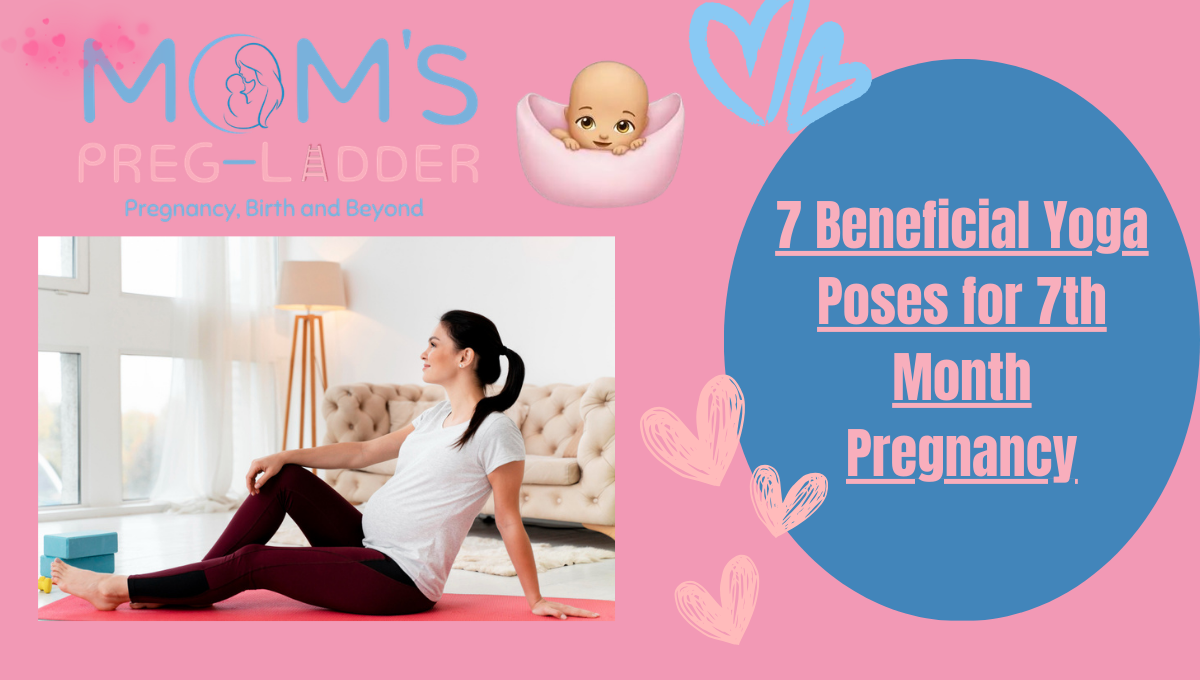
7 Safe Yoga Poses for 7th Month Pregnancy
1. Cat-Cow Pose (Marjaryasana-Bitilasana)
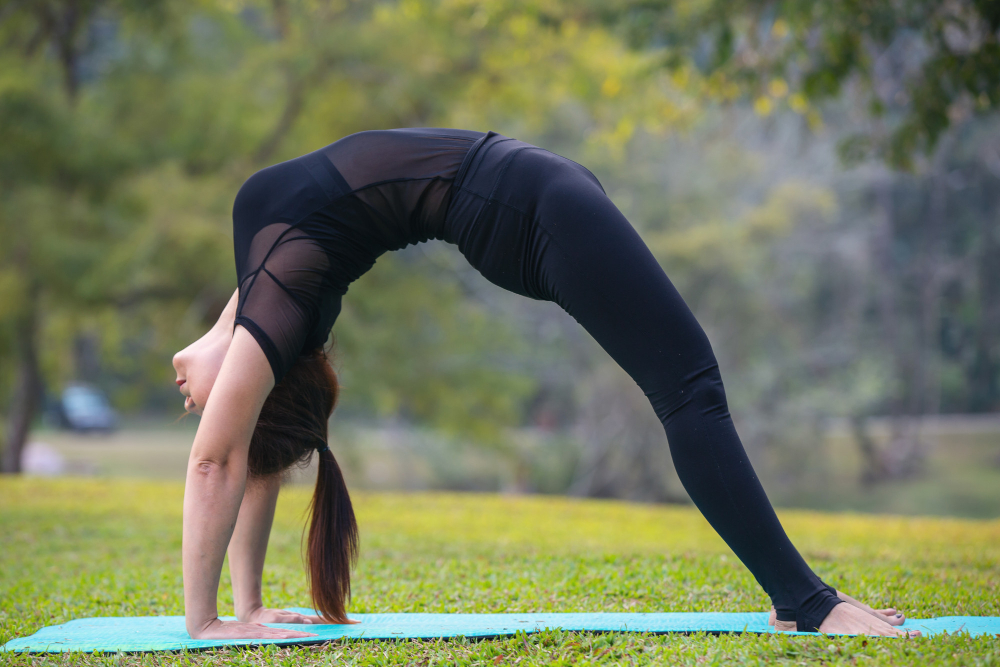
This gentle flowing movement is one of the best yoga poses for 7th month pregnancy. It relieves back pain while creating space for your baby.
How to Practice: Start on your hands and knees in a tabletop position. Place your wrists directly under your shoulders and knees under your hips. On an inhale, gently lift your head and tailbone while keeping your core engaged (avoid letting your belly hang). On an exhale, round your spine like a cat, tucking your chin and tailbone. Flow between these two positions for 8-10 breaths.
Benefits: Relieves lower back tension, improves spinal flexibility, helps position baby correctly for birth, and strengthens your pelvic floor.
Modification: In the seventh month, avoid a deep backbend in cow pose. Instead, focus on gentle pelvic tilting while maintaining support for your belly.
2. Child’s Pose (Balasana) – Modified
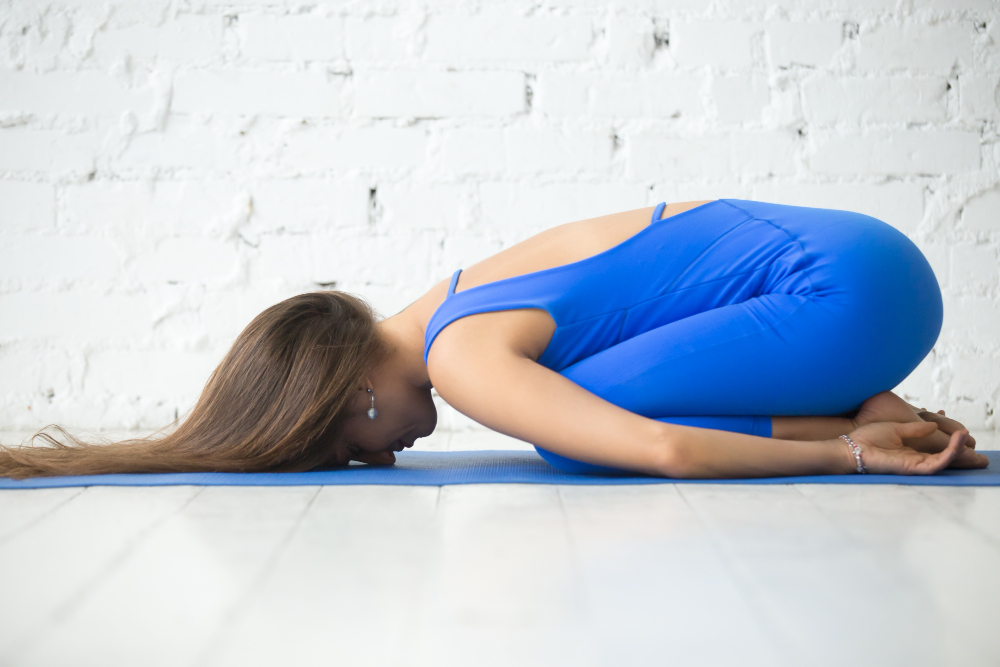
This resting pose provides a moment of calm and gently stretches your hips and back.
How to Practice: Start on your hands and knees. Separate your knees wider than your mat to make room for your belly. Place a bolster or stack of pillows in front of you. Slowly lower your torso onto the bolster, turning your head to one side. Rest your arms alongside the bolster. Stay here for 6-8 deep breaths, then gently push back to seated.
Benefits: Releases tension throughout your body, opens your hips, calms your nervous system, and can be used during labor for rest between contractions.
Modification: The wider your knees, the more comfortable you’ll be. Don’t hesitate to use plenty of cushions for support.
3. Butterfly Pose (Baddha Konasana)
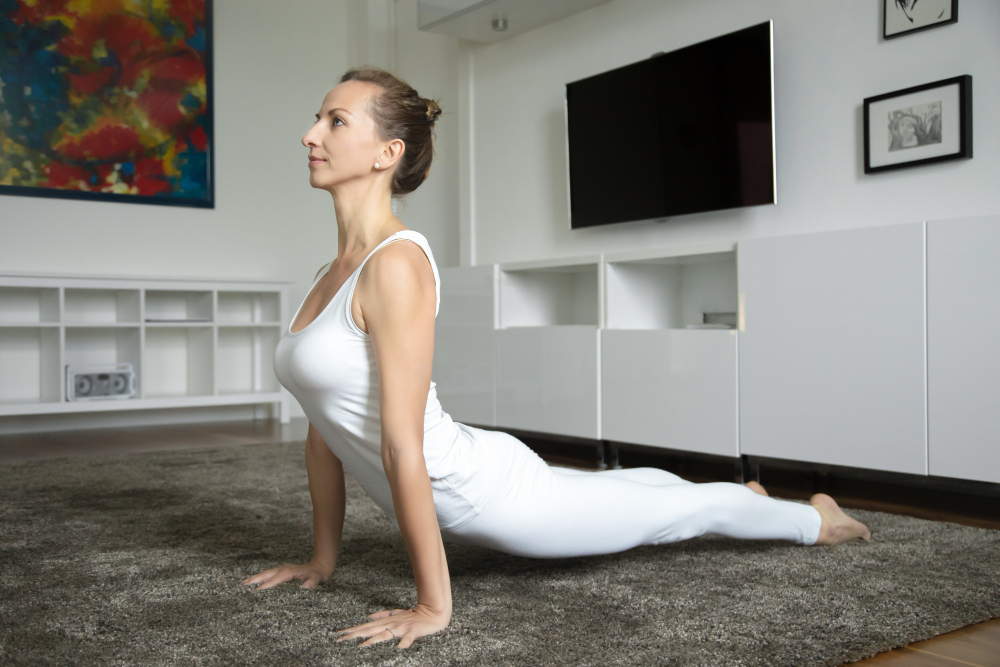
Also known as bound angle pose, this is perfect for opening your hips and preparing for birth.
How to Practice: Sit on your mat with your spine tall. Bring the soles of your feet together, creating a diamond shape with your legs. Hold your feet with your hands. Sit up straight and take several deep breaths. If comfortable, you can gently flutter your knees up and down like butterfly wings. For a deeper stretch, slowly hinge forward from your hips (not your back).
Benefits: Opens hips and pelvis, improves circulation to your pelvic region, stretches inner thighs and groin, and may help prepare your body for vaginal delivery.
Modification: Sit on a folded blanket to elevate your hips if your knees are higher than your hips. Support your knees with blocks if they don’t touch the floor.
4. Goddess Pose (Utkata Konasana)
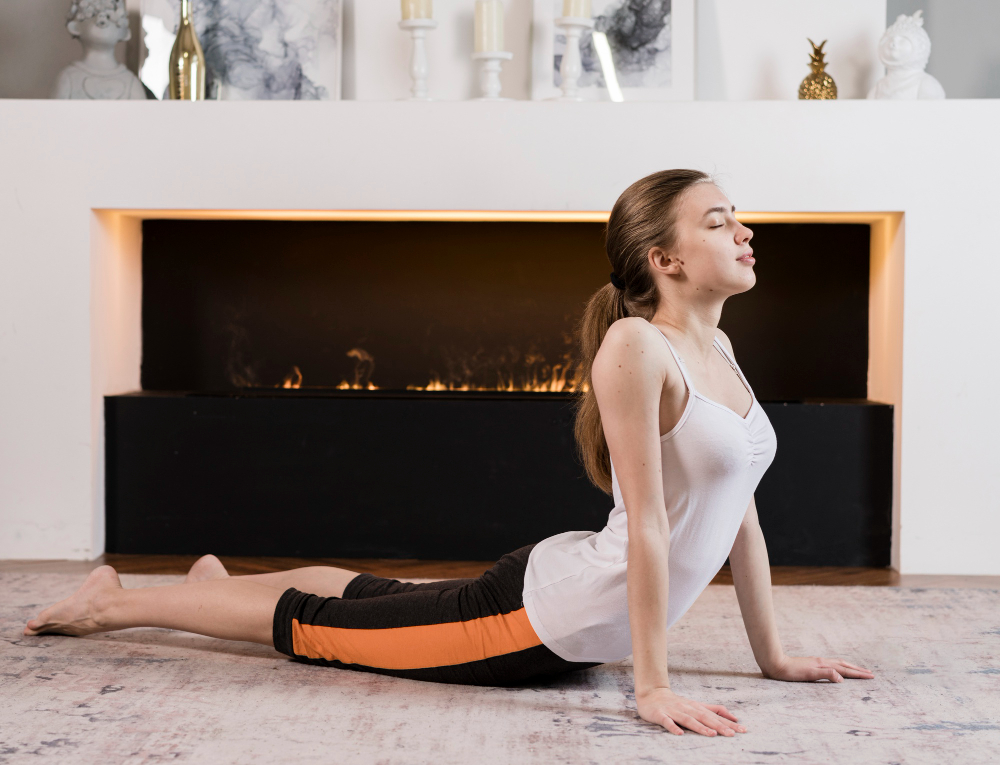
This standing pose builds strength in your legs while opening your hips.
How to Practice: Stand with your feet wider than hip-width apart. Turn your toes outward at about 45 degrees. Slowly bend your knees, lowering into a squat position. Keep your spine straight and your knees tracking over your toes. Bring your hands to prayer position at your chest or extend them overhead if that feels comfortable. Hold for 5-8 breaths.
Benefits: Strengthens legs and core, opens hips, builds stamina for labor, and improves balance.
Modification: Hold onto a wall or chair for balance. Don’t squat too deeply if it feels uncomfortable.
5. Side-Lying Savasana (Corpse Pose)

The traditional resting pose modified for pregnancy safety.
How to Practice: Lie on your left side (this position is best for circulation during pregnancy). Place a pillow or bolster between your knees and under your head. You can also place a pillow in front of your belly for support. Let your top arm rest comfortably. Close your eyes and focus on deep, slow breathing. Stay here for 5-10 minutes.
Benefits: Deep relaxation, stress relief, improved sleep quality, and restoration of energy.
Modification: Some people prefer the right side. Listen to your body, though left side is generally recommended as it optimizes blood flow to your baby.
6. Supported Squat (Malasana – Modified)
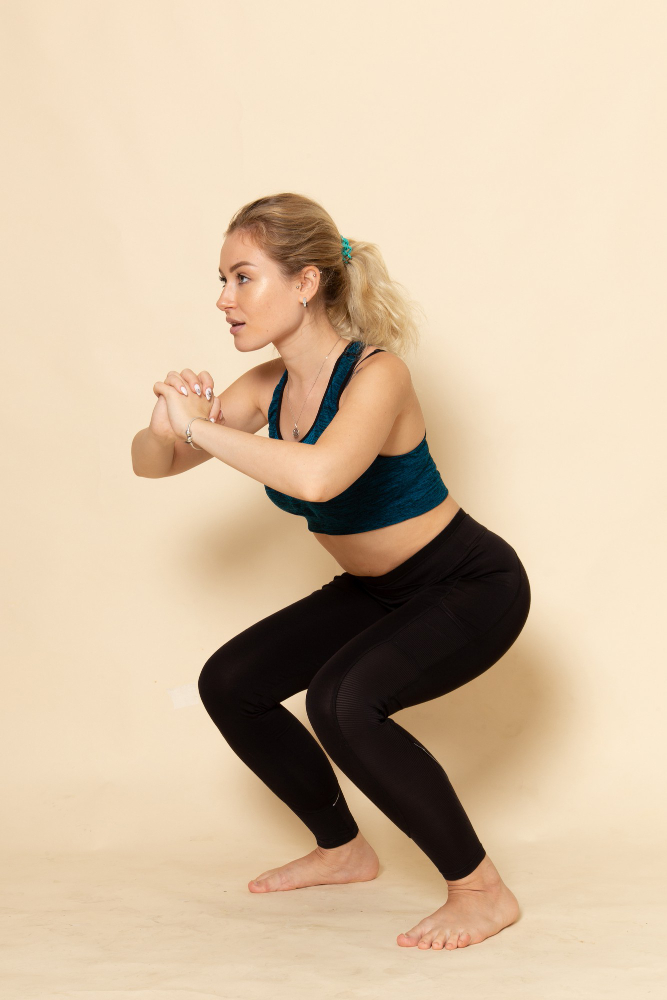
Squatting positions are particularly helpful for preparing your pelvis for birth.
How to Practice: Stand facing a wall or sturdy chair. Place your feet slightly wider than hip-width apart with toes turned out. Slowly lower into a squat, using the wall or chair for balance. Keep your spine straight. Hold for 3-5 breaths, then slowly stand back up.
Benefits: Opens pelvis, strengthens legs, stretches lower back, and mimics labor positions that can ease delivery.
Modification: Place a folded blanket or yoga block under your heels if they don’t touch the ground. Don’t go too deep if it causes discomfort.
7. Legs-Up-the-Wall (Viparita Karani – Modified)
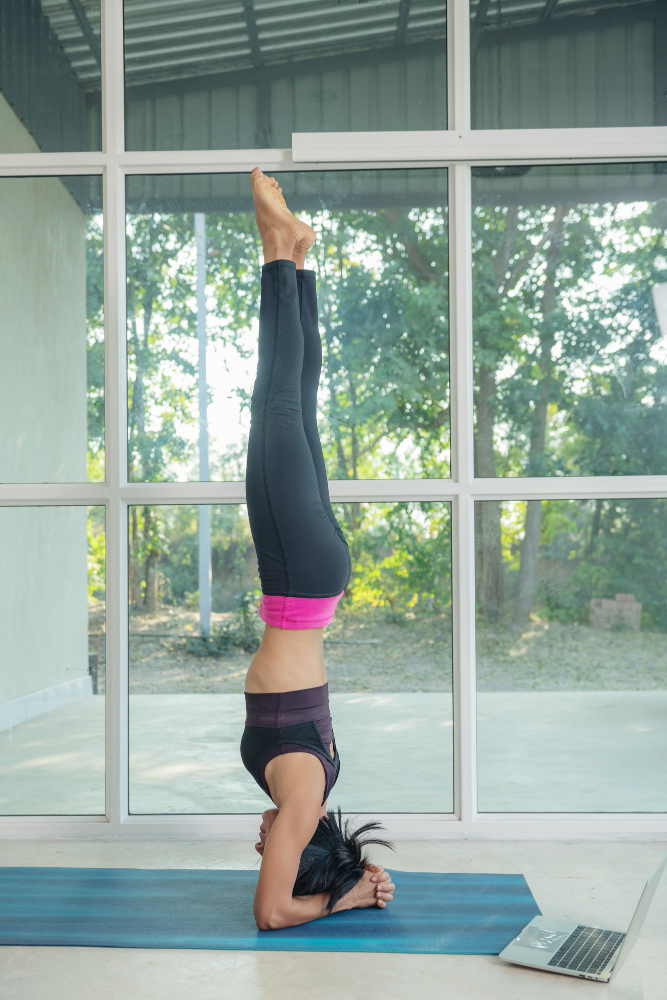
This gentle inversion relieves swelling and fatigue.
How to Practice: Sit sideways next to a wall. Gently swing your legs up the wall as you lower your back onto the floor or a bolster. Your bottom should be close to the wall. Place pillows under your upper back and head so you’re slightly reclined rather than flat. Rest your arms by your sides. Stay here for 5-10 minutes, breathing deeply.
Benefits: Reduces swelling in feet and ankles, relieves tired legs, improves circulation, and promotes relaxation.
Modification: Place a bolster under your back so your torso is elevated. This prevents you from lying completely flat, which should be avoided in the third trimester.
Creating Your Practice Routine
Consistency matters more than duration when practicing yoga asans during pregnancy. Aim for 20-30 minutes, 2-3 times per week. You can practice these poses in sequence or choose 3-4 that address your current needs.
Sample 20-Minute Sequence:
- Cat-Cow Pose (2 minutes)
- Modified Child’s Pose (2 minutes)
- Butterfly Pose (3 minutes)
- Goddess Pose (2 minutes)
- Supported Squat (2 minutes)
- Cat-Cow Pose (1 minute)
- Side-Lying Savasana (8 minutes)
The team at Mom’s Preg Ladder offers guided prenatal yoga sessions where instructors ensure proper form and safe modifications throughout each trimester.
Breathing Techniques for Pregnancy Yoga
Breath work is just as important as the physical poses, especially during your seventh month.
Deep Belly Breathing: Sit comfortably and place one hand on your chest, one on your belly. Breathe deeply so your belly expands more than your chest. This calms your nervous system and increases oxygen flow to your baby.
Counting Breath: Inhale for a count of four, hold for two, exhale for six. This pattern activates your relaxation response.
Birth Breathing: Practice slow, controlled breathing during poses. This same technique will help you during labor contractions.
When to Stop and Rest
Your body will tell you when to pause. Stop immediately if you experience:
- Dizziness or lightheadedness
- Unusual shortness of breath
- Chest pain or rapid heartbeat
- Vaginal bleeding or fluid leakage
- Decreased fetal movement
- Contractions that don’t stop when you rest
- Headache or vision changes
- Calf pain or swelling
If any of these occur, contact your healthcare provider right away.
Additional Tips for Seventh Month Yoga Practice
Use Props Generously: This isn’t the time to push yourself. Blocks, bolsters, blankets, and walls are your friends. Props make poses more accessible and comfortable.
Stay Cool: Your body temperature runs higher during pregnancy. Practice in a well-ventilated room, wear light clothing, and keep water nearby.
Eat Lightly: Practice on a light stomach. A small snack 30-60 minutes before yoga is fine, but avoid heavy meals.
Wear Supportive Clothing: A good maternity sports bra and comfortable pants that support your belly will make practice more enjoyable.
Time It Right: Many women feel most energetic in the morning or early afternoon. Find the time that works best for your body.
Beyond the Mat
The benefits of prenatal yoga extend beyond the physical practice. The breathing techniques you learn will serve you during labor. The mindfulness you develop helps you stay present during pregnancy challenges. The body awareness you build prepares you for the physical demands of caring for a newborn.
Mom’s Preg Ladder provides comprehensive pregnancy support beyond yoga, including labor management classes and postpartum care guidance, helping you through every stage of your journey.
Remember that pregnancy yoga isn’t about perfect poses or advanced flexibility. It’s about caring for yourself and your baby, staying comfortable as your body changes, and preparing mentally and physically for birth.
Frequently Asked Questions
Can I start yoga in my seventh month if I’ve never practiced before?
Yes, you can begin prenatal yoga in your seventh month even without previous experience. Start slowly with gentle poses and consider joining a prenatal class with a certified instructor who understands pregnancy modifications. Always get clearance from your healthcare provider first. Focus on basic poses and breathing rather than trying advanced postures.
How often should I practice yoga during my 7th month of pregnancy?
Most experts recommend 2-3 yoga sessions per week, lasting 20-30 minutes each. Consistency matters more than duration. Some women practice gentle stretches daily for 10-15 minutes and attend a full class twice weekly. Listen to your body and adjust based on how you feel. Rest days are just as important as practice days.
Is it safe to hold yoga poses for long periods during the third trimester?
Hold poses for shorter durations during your seventh month, typically 5-8 breaths instead of longer holds. Your balance changes with your shifting center of gravity, and your joints are looser due to pregnancy hormones. Shorter holds reduce strain while still providing benefits. Always exit a pose if you feel uncomfortable or unstable.
What’s the difference between regular yoga and prenatal yoga in the seventh month?
Prenatal yoga eliminates poses that compress your abdomen, require lying flat on your back, or challenge your balance significantly. It includes modifications for your changing body, uses more props for support, and focuses on poses that prepare you for labor. The pace is gentler, and breathing work becomes more prominent than in regular classes.
Can yoga poses help turn a breech baby in the seventh month?
While some poses like cat-cow may encourage better fetal positioning, yoga alone cannot guarantee a breech baby will turn. Certain postures create space in your pelvis and may help, but this should only be attempted under medical supervision. Discuss any positioning concerns with your healthcare provider, who may recommend specific techniques or positions beyond standard yoga practice.