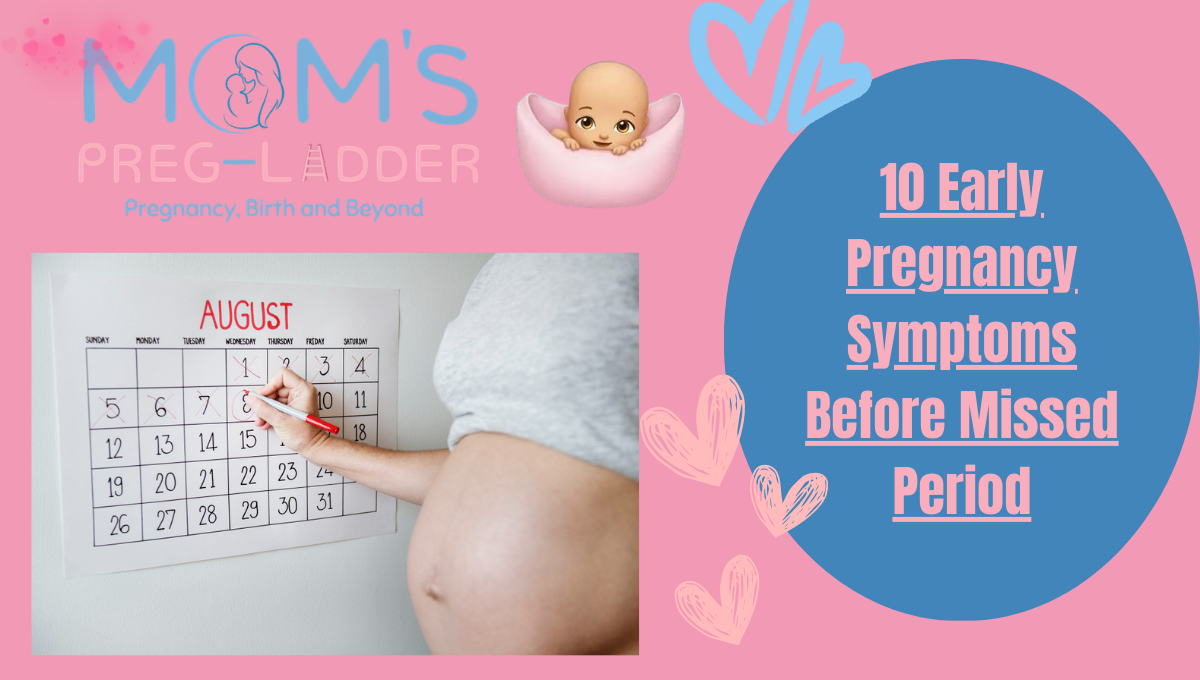
You think you might be pregnant, but your period isn’t due yet. Can you really tell before that telltale missed period arrives? The answer is yes. Your body starts changing almost immediately after conception, and some women notice these shifts within days.
Early pregnancy symptoms can appear as soon as one week after conception, according to Johns Hopkins Medicine. While every woman’s experience differs, recognizing these signs can help you know when to take a pregnancy test. This guide covers the most common symptoms that show up before a missed period.
Understanding How Early Pregnancy Symptoms Start
When sperm meets egg, your body launches into action. Within 6 to 12 days after conception, the fertilized egg travels down the fallopian tube and burrows into your uterine wall. This process, called implantation, triggers your body to produce human chorionic gonadotropin (hCG), the pregnancy hormone.
Your hormone levels shift dramatically from this point forward. While hCG levels remain low in these first days, they’re enough to cause noticeable changes in some women. Other hormones like progesterone and estrogen also surge, creating the physical and emotional symptoms many women associate with pregnancy.
The Cleveland Clinic notes that many early pregnancy symptoms overlap with premenstrual syndrome (PMS), making them easy to miss or misinterpret. Some women experience several pregnancy yoga clases, while others feel nothing at all. Both scenarios are completely normal.
1. Implantation Bleeding and Spotting
One of the earliest signs of pregnancy occurs when the embryo attaches to your uterine lining. This can cause light bleeding or spotting, typically appearing pink or brown rather than the bright red of menstrual blood.
Implantation bleeding happens about 6 to 12 days after conception. You might notice a few spots on your underwear or very light bleeding that lasts one to two days. Unlike a regular period, this bleeding is much lighter and shorter.
Many women mistake implantation bleeding for an early or light period. If you’re actively trying to conceive and notice unusual spotting around the time implantation would occur, it could signal pregnancy. At Mom’s Preg Ladder, we help expectant mothers understand these early signs through our Early Pregnancy Classes, where certified educators explain what to expect during those crucial first weeks.
2. Breast Changes and Tenderness
Hormonal changes hit fast after conception. Your breasts might feel tender, swollen, or sore within one to two weeks. Some women describe a heaviness or fullness that’s more pronounced than typical PMS breast tenderness.
Look for these specific changes:
- Areolas (the area around your nipples) appear darker
- Veins become more visible across your breasts
- Breasts feel fuller or heavier than usual
- Even a light touch causes discomfort
These changes happen because your body increases blood flow and fluid retention in the breasts. Progesterone and estrogen levels rise rapidly, preparing your body for eventual breastfeeding. The discomfort usually decreases after a few weeks as your body adjusts.
3. Extreme Fatigue and Tiredness
Feeling exhausted even though you haven’t done anything strenuous? Extreme fatigue ranks among the most common pregnancy symptoms. This isn’t ordinary tiredness—you might feel like you could sleep all day or struggle to keep your eyes open in the afternoon. One major reason is the surge and shifting balance of pregnancy hormones. Progesterone, in particular, has a sedative effect that makes you feel unusually sleepy, while your body works harder to support the growing baby.
As pregnancy progresses, other hormones begin quietly preparing and initiating labour. The hormone relaxin softens the ligaments and cervix, contributing to physical fatigue and heaviness in the body. Closer to labour, rising levels of oxytocin and prostaglandins help trigger uterine contractions and cervical ripening. This hormonal activity places additional demands on your body, which can intensify feelings of exhaustion—even when you are resting.
Progesterone levels skyrocket during early pregnancy, and this hormone has a sedating effect. Your body also works overtime to support the developing embryo, creating extra blood and adjusting its systems. All this activity drains your energy reserves.
The Mayo Clinic reports that fatigue typically hits hardest during the first trimester. Your energy usually rebounds during the second trimester once the placenta is established. For now, listen to your body. Take naps when you can and go to bed earlier.
4. Nausea and Morning Sickness
Despite its name, morning sickness can strike any time of day or night. About 70% of pregnant women experience nausea, making it one of the most recognizable early pregnancy symptoms.
Nausea often begins one to two months after conception, but some women notice queasiness even earlier. You might feel mildly queasy between meals or experience full-blown vomiting. Some women find that certain smells trigger their nausea, while others feel sick when their blood sugar drops.
The exact cause of morning sickness remains unclear, but hormonal changes play a major role. Unlike a stomach bug, pregnancy-related nausea doesn’t come with fever, diarrhea, or dehydration unless it becomes severe. If your nausea is extreme or you can’t keep food down, contact your healthcare provider right away.
5. Frequent Urination
Running to the bathroom more often than usual? Your kidneys start working harder during pregnancy to process the extra blood in your body. This increased kidney activity produces more urine, filling your bladder faster.
Frequent urination can start surprisingly early, sometimes within the first few weeks after conception. You might notice you’re waking up at night to pee or visiting the restroom every hour during the day.
This symptom differs from a urinary tract infection (UTI) because it doesn’t come with burning, pain, or urgency. If you experience discomfort while urinating, see a doctor to rule out infection.
6. Food Cravings and Aversions
Your relationship with food might change overnight. Foods you loved yesterday suddenly seem revolting, while you develop intense cravings for things you rarely eat. These shifts can happen before you even miss a period.
Scientists aren’t certain what causes pregnancy cravings and aversions, but hormonal changes affect your sense of taste and smell. Some theories suggest your body craves specific nutrients it needs, though this doesn’t explain every craving.
Common patterns include:
- Craving dairy products, energy-rich foods, or salty snacks
- Developing aversions to coffee, meat, or strong-smelling foods
- Finding certain smells unbearable
At Mom’s Preg Ladder, our Pre-Pregnancy Classes and nutritional counseling help you understand how to maintain balanced nutrition even when food preferences shift dramatically.
7. Heightened Sense of Smell
Many women develop a superpower sense of smell during early pregnancy. Scents that never bothered you before might suddenly seem overwhelming or nauseating. This symptom can appear within days of conception.
The hormonal surge that follows conception heightens your olfactory sensitivity. You might notice:
- Perfumes or colognes smell too strong
- Cooking odors trigger nausea
- You can detect smells others don’t notice
- Previously pleasant scents become unpleasant
This heightened smell sensitivity often links directly to nausea and food aversions. Avoiding triggering scents can help reduce queasiness during early pregnancy.
8. Mild Cramping
Cramping that feels like period pain but milder can occur during early pregnancy. These cramps happen when the embryo implants in your uterine wall and as your uterus begins adjusting to pregnancy.
Early pregnancy cramps typically:
- Feel like mild menstrual cramps
- Occur on both sides of your lower abdomen
- Last briefly, from a few minutes to a few hours
- Aren’t accompanied by heavy bleeding
While mild cramping is normal, severe or one-sided pain requires immediate medical attention. This could signal an ectopic pregnancy, where the embryo implants outside the uterus, creating a medical emergency.
9. Mood Swings and Emotional Changes
Your emotions might feel like they’re on a roller coaster. One minute you’re happy, the next you’re crying over a commercial. These mood swings stem from rapid hormonal fluctuations that affect brain chemistry.
Pregnancy-related mood swings tend to be more intense and unpredictable than PMS mood changes. Fatigue makes these emotional shifts worse, as exhaustion reduces your emotional resilience.
You might experience:
- Sudden sadness or tearfulness
- Irritability or frustration
- Anxiety about the pregnancy
- Heightened emotional responses
These feelings are normal, but if they become overwhelming or interfere with daily life, talk to a healthcare provider.
10. Bloating and Constipation
Hormonal changes slow down your digestive system during pregnancy. Progesterone relaxes smooth muscles throughout your body, including those in your intestines. This slowdown allows your body more time to absorb nutrients but can cause uncomfortable bloating and constipation.
You might notice:
- Feeling fuller than usual after meals
- Abdominal bloating similar to PMS
- Difficulty with regular bowel movements
- A feeling of heaviness in your abdomen
While these symptoms can appear before a missed period, they’re more common as pregnancy progresses. Drinking plenty of water, eating fiber-rich foods, and staying active can help manage digestive discomfort.
When to Take a Pregnancy Test
Even if you experience several early pregnancy symptoms, the only way to confirm pregnancy is through testing. Home pregnancy tests detect hCG in your urine, but this hormone needs time to build up to detectable levels.
For the most accurate results:
- Wait until after your missed period to test
- Use first-morning urine, which has the highest hCG concentration
- Follow the test instructions carefully
- Take another test if the first is negative but your period still doesn’t arrive
Some sensitive tests claim to detect pregnancy a few days before your expected period. Testing too early can lead to false negatives because hCG levels haven’t risen enough yet. Blood tests at your doctor’s office can detect pregnancy about one week before a missed period and are more sensitive than home tests.
What Happens After a Positive Test
Once you get a positive pregnancy test, schedule an appointment with your healthcare provider. Early prenatal care supports a healthy pregnancy right from the start. Your provider can confirm the pregnancy, estimate your due date, and discuss prenatal vitamins.
Speaking of vitamins, start taking a prenatal supplement containing folic acid if you haven’t already. The Centers for Disease Control and Prevention recommends that all women of childbearing age take 400 micrograms of folic acid daily. This B vitamin helps prevent neural tube defects during the first weeks of pregnancy, often before you even know you’re pregnant.
Mom’s Preg Ladder offers comprehensive support for expectant mothers through every stage of pregnancy. Our Early Pregnancy Classes provide evidence-based information about first trimester changes, what to expect, and how to care for yourself and your developing baby. Founded by internationally certified childbirth educator Mrs. Swapnil Kaushik, we’re committed to guiding you through a healthy pregnancy with expert knowledge and compassionate support.
Understanding Your Unique Pregnancy Journey
Remember that every pregnancy is different. Some women experience multiple early pregnancy symptoms before a missed period, while others notice nothing until weeks later. Neither scenario indicates anything about your pregnancy’s health or viability.
Many symptoms that seem pregnancy-related could have other causes. Stress, illness, hormonal imbalances, and other conditions can mimic early pregnancy symptoms. That’s why testing is so important for confirmation.
If you get a positive test or suspect you might be pregnant, reach out to a healthcare provider. They can provide proper prenatal care, answer your questions, and help you prepare for the months ahead.
Frequently Asked Questions
Can you feel pregnant before a missed period?
Yes, some women notice pregnancy symptoms as early as one week after conception. Early signs include breast tenderness, fatigue, mild cramping, and light spotting from implantation. These symptoms happen because your body begins producing pregnancy hormones right after the fertilized egg implants. Keep in mind that many women experience no symptoms at all before missing their period.
How early can pregnancy symptoms start?
Pregnancy symptoms can begin within 6 to 12 days after conception when implantation occurs. This is when your body starts producing hCG and other pregnancy hormones. Some women notice changes within the first week or two, while others don’t experience symptoms for several weeks. The timing varies significantly from person to person.
What’s the difference between PMS and early pregnancy symptoms?
PMS and early pregnancy symptoms overlap considerably. Both can cause breast tenderness, fatigue, mood swings, and mild cramping. The key differences are that pregnancy symptoms often include nausea, heightened smell sensitivity, and food aversions that aren’t typical of PMS. A missed period combined with other symptoms is the strongest indicator of pregnancy rather than PMS.
How accurate are home pregnancy tests before a missed period?
Home pregnancy tests are most accurate when taken after a missed period. Tests taken before your expected period have higher rates of false negatives because hCG levels may still be too low to detect. Some sensitive tests claim to work a few days early, but waiting until after your missed period gives the most reliable results.
When should I see a doctor if I think I’m pregnant?
Schedule a doctor’s appointment as soon as you get a positive pregnancy test. Early prenatal care is important for monitoring your health and your baby’s development. If you experience severe symptoms like intense one-sided abdominal pain, heavy bleeding, or severe vomiting that prevents you from keeping food down, seek medical attention immediately.