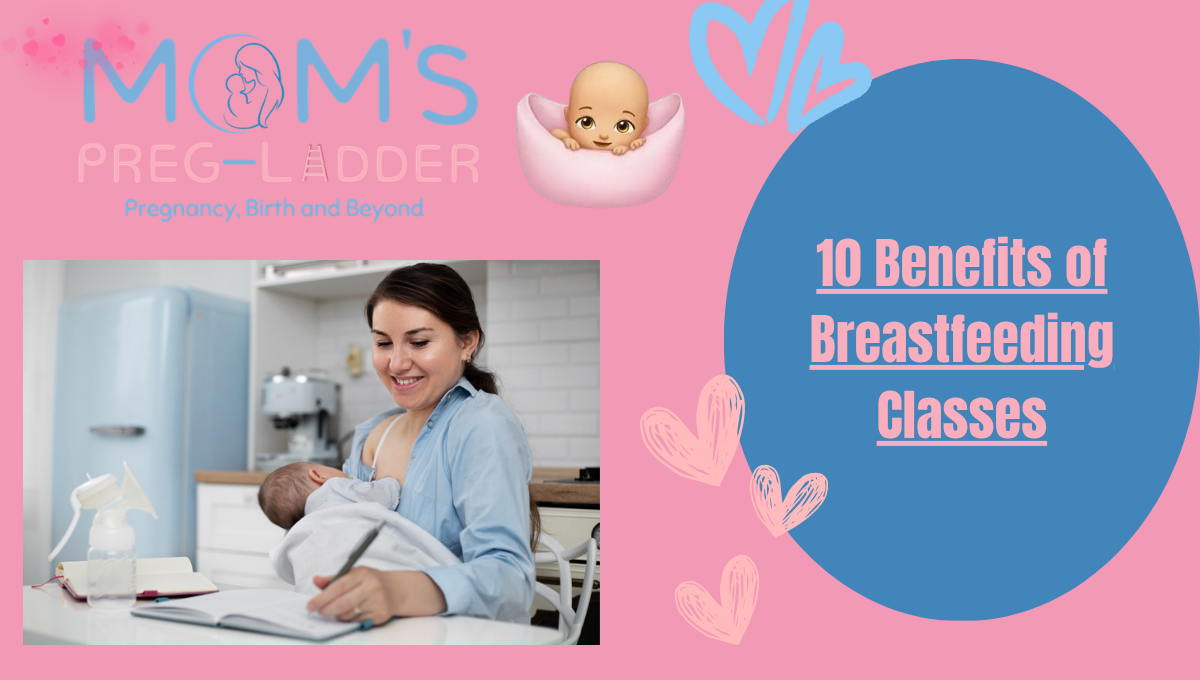
Becoming a mother is one of the most life-changing experiences a woman goes through. And while breastfeeding is natural, it is not always easy. Many new moms struggle with latch issues, low milk supply fears, nipple pain, and the mental pressure of wondering whether their baby is getting enough. Breastfeeding classes exist precisely to close that gap between expectation and reality.
The World Health Organization recommends exclusive breastfeeding for the first six months of a baby’s life, yet studies show that a significant number of mothers stop earlier than intended, often because they did not receive adequate preparation or support. That is where prenatal breastfeeding education makes a real difference.
Let’s break down the 10 benefits of breastfeeding classes and why signing up before your due date is one of the smartest decisions you can make.
1. You Learn the Correct Latch Before Problems Start
A poor latch is the number one reason new moms experience nipple pain, cracked skin, and ultimately give up breastfeeding. A breastfeeding class teaches you exactly how to position your baby, how to recognize a good latch versus a shallow one, and what to do if your baby is not latching well.
Learning this before your baby arrives means you walk into those first feeds with confidence rather than guesswork. Certified educators demonstrate latch technique using dolls or real demonstrations, so you can practice the motion and posture in a low-pressure environment. Many parents also benefit from attending pre-conception classes, which help build foundational knowledge and prepare them for pregnancy, childbirth, and early parenting stages.
2. Breastfeeding Classes Improve Your Confidence as a New Mother
Anxiety and self-doubt are common in new mothers, especially around feeding. One of the clearest benefits of breastfeeding classes is the confidence boost they provide. When you know what to expect and have practiced the basics, feeding your newborn feels far less overwhelming.
Research from the Journal of Human Lactation has consistently shown that mothers who receive prenatal breastfeeding education report higher confidence levels and are more likely to continue breastfeeding for longer durations.
3. You Understand How Milk Supply Actually Works
One of the most common myths new mothers encounter is that they do not have enough milk. In most cases, this fear is unfounded. Breastfeeding classes explain how milk production works on a supply-and-demand basis. The more your baby feeds, the more milk your body makes.
You will learn how to read your baby’s hunger cues, understand cluster feeding, and know the difference between normal newborn feeding patterns and a situation that genuinely needs medical attention. This knowledge alone prevents a lot of unnecessary formula supplementation. Additionally, classes often address common postpartum discomforts like tailbone pain, helping new mothers understand proper posture and recovery techniques during feeding and daily care.
4. Classes Cover Breastfeeding Positions That Suit Your Body and Baby
There is no single “correct” breastfeeding position. What works for one mother may not work for another, depending on body type, breast size, birth experience, or whether you had a cesarean. A good breastfeeding class introduces multiple holds:
• Cradle hold
• Cross-cradle hold
• Football hold (especially helpful after a C-section)
• Side-lying position for nighttime feeds
• Laid-back or biological nurturing position
Knowing these options in advance means you can try different approaches without panic during those early days when everything feels new.
5. You Get Honest Information About Common Breastfeeding Challenges
No prenatal class worth attending glosses over the tough parts. Breastfeeding classes prepare you for the real challenges so they do not catch you off guard. Here is what most classes cover:
• Engorgement in the first few days after birth
• Mastitis and how to prevent it
• Tongue-tie and its effect on feeding
• Nipple confusion when introducing a bottle or pacifier
• Managing breastfeeding when returning to work
Being mentally prepared for these possibilities means you are far less likely to feel like you have failed when challenges arise. You already know they are normal and manageable.
6. Partners and Family Members Become Valuable Support
Many breastfeeding classes encourage partners to attend, and there are good reasons for that. Breastfeeding support at home is one of the strongest predictors of breastfeeding success. When a partner understands what the mother is going through and knows practically how to help, things go much smoother.
Partners learn how to help with positioning, how to recognize signs of a good feed, when to call a lactation consultant, and how to be emotionally supportive during a tough cluster-feeding night. This shared education reduces conflict and miscommunication during one of the most exhausting periods of new parenthood. Alongside this, couples often also learn about nutrition topics such as papaya during pregnancy, including when it is safe to consume and how it can support overall maternal health.
7. Benefits of Breastfeeding Classes Include Guidance on Newborn Nutrition and Weight Gain
New parents often worry excessively about whether their baby is feeding enough. Breastfeeding classes explain newborn weight patterns clearly. Babies typically lose up to 7–10% of their birth weight in the first week, which is completely normal. They should regain it by two weeks.
You will also learn about colostrum, the thick first milk your body produces in the days immediately after birth. Despite being produced in small volumes, colostrum is packed with antibodies and is exactly what your newborn needs. Understanding this prevents the panic that often leads mothers to supplement unnecessarily. Along with this, classes also guide parents on what to eat or not what to eat during pregnancy, helping ensure proper nutrition for both mother and baby.
8. You Learn When and How to Use a Breast Pump
Pumping is a reality for many breastfeeding mothers, whether they are returning to work, building a milk stash, or dealing with a baby who cannot latch directly. Breastfeeding education often includes an introduction to pumping, including:
• When to start pumping after birth
• How to choose between manual and electric pumps
• How to safely store breast milk
• How to maintain supply when pumping replaces direct nursing
Platforms like Mom’s Preg Ladder include breastfeeding support as part of their structured postpartum care, making it easier for mothers to get continued guidance on pumping and milk storage after the class ends.
9. Online Breastfeeding Classes Offer Flexibility Without Sacrificing Quality
For many expecting mothers, especially those managing work, other children, or limited access to in-person resources, online breastfeeding classes are a game-changer. The format allows you to learn at your own pace and revisit material as many times as needed.
Mom’s Preg Ladder offers breastfeeding classes online, taught by Mrs. Swapnil Kaushik, an internationally certified childbirth educator. The sessions cover latch and positioning guidance along with troubleshooting common feeding issues, so mothers across India can access expert-led education from the comfort of home.
Online prenatal breastfeeding education has also been shown to produce outcomes comparable to in-person instruction when classes are well-structured and include interactive components.
10. Breastfeeding Classes Support Better Mental Health for New Mothers
The connection between breastfeeding struggles and postpartum mental health is well documented. Mothers who feel unprepared and unable to breastfeed the way they hoped often experience higher rates of guilt, anxiety, and in some cases, postpartum depression.
Taking a breastfeeding class sets realistic expectations and reduces the shame spiral that can follow a tough feeding experience. You leave the class knowing that difficulties are common, that support exists, and that there are concrete steps you can take if things do not go as planned.
A study published in Maternal and Child Nutrition found that breastfeeding support interventions, including education, were associated with improved maternal well-being in the early postpartum period.
When Is the Best Time to Take a Breastfeeding Class?
Most lactation educators recommend enrolling in a breastfeeding class during the third trimester, ideally between weeks 28 and 36. This gives you enough time to absorb the information before birth without the content feeling too abstract.
That said, it is never too early to start learning. Some mothers take breastfeeding classes as early as the second trimester, particularly if they have had breastfeeding challenges with a previous child.
Quick Checklist: What a Good Breastfeeding Class Should Cover
• How breastfeeding works (physiology of milk production)
• Latch techniques and multiple feeding positions
• Understanding newborn feeding cues and schedules
• Common challenges and how to address them
• Pumping, milk storage, and returning to work
• When to seek help from a lactation consultant
• Emotional support resources for breastfeeding mothers
Final Thoughts on the Benefits of Breastfeeding Classes
Breastfeeding is one of the most beneficial things you can do for your baby’s health and your own recovery. But the gap between wanting to breastfeed and doing it comfortably is often bridged by preparation, not just determination.
Taking a breastfeeding class before your baby arrives gives you knowledge, technique, and a sense of calm you simply cannot get from reading random articles at 2 a.m. with a screaming newborn. The benefits of breastfeeding classes go well beyond the mechanics of feeding. They prepare your mind, your body, and your support system for one of the most rewarding parts of new parenthood.
If you are expecting and based in India, Mom’s Preg Ladder offers structured breastfeeding support classes led by certified professionals, alongside a full range of pregnancy, labor, and postpartum education. Visit momspregladder.com to explore the schedule and book a session.
Frequently Asked Questions About Breastfeeding Classes
Do I really need a breastfeeding class if I plan to ask the hospital nurses for help?
Hospital nurses are helpful, but they are busy. The time they can spend with each new mother is often limited to 15-20 minutes. A dedicated breastfeeding class gives you structured, in-depth knowledge before you deliver, so you are not learning everything from scratch in those exhausting first hours after birth.
Are breastfeeding classes useful if I am a first-time mom?
Especially if you are a first-time mom. You have no previous experience to fall back on, so prenatal breastfeeding education fills that gap. Classes cover everything from basic anatomy to practical feeding positions, giving you a solid foundation before your baby arrives. Most first-time mothers say they wish they had taken one sooner.
Can I take breastfeeding classes online?
Yes, and they work well. Online breastfeeding classes from certified educators, like those offered at momspregladder.com, allow you to learn from home at a time that suits you. Look for courses taught by internationally certified lactation consultants or childbirth educators that include live or recorded demonstrations.
Should my partner attend breastfeeding classes with me?
Yes, if possible. Partners who understand breastfeeding basics are better positioned to offer practical help and emotional support at home. They can assist with positioning, burping, and recognizing feeding problems. Partner involvement is one of the strongest predictors of breastfeeding success beyond the first few weeks.
How long does a breastfeeding class typically take?
Most breastfeeding classes run between 2 and 4 hours, depending on the format. Some are single sessions while others span multiple weeks. Online classes may be self-paced, allowing you to work through the material over several days. A few hours of preparation can prevent weeks of struggle after birth.