Experiencing a chemical pregnancy is, for most women, one of the loneliest and most confusing forms of early loss. One day you have a positive pregnancy test, and within a week or two, it is gone. No heartbeat on an ultrasound. No answers that feel satisfying. Just grief, confusion, and a lot of questions about what comes next.
If you are reading this, you are probably already thinking about trying again, which means you are ready to take back some control. The good news is that a chemical pregnancy does not close the door on motherhood. In fact, the American College of Obstetricians and Gynecologists (ACOG) confirms that you can ovulate and become pregnant again as soon as two weeks after an early pregnancy loss. Most women who experience a chemical pregnancy go on to have completely healthy pregnancies.
Here are 10 solid, medically grounded tips for getting pregnant after chemical pregnancy, based on guidance from reputable medical sources.
What Is a Chemical Pregnancy, and Why Does It Happen?
Before jumping into the tips, let us be clear on what we are dealing with.
A chemical pregnancy, also called a biochemical pregnancy, is a very early miscarriage that occurs before the fifth week of pregnancy. The fertilized egg implants in the uterus and produces enough hCG (human chorionic gonadotropin) to trigger a positive pregnancy test, but then stops developing. If you had not taken an early test, you likely would never have known.
According to Cleveland Clinic, about 80% of all miscarriages happen in this early window, and many go undetected. The most common cause is a chromosomal abnormality in the embryo, something that happens randomly and is not caused by anything you did. Other contributing factors can include hormonal imbalances, a thin uterine lining, thyroid disorders, blood clotting conditions, or infections such as chlamydia or syphilis.
Here is the key thing to know: a chemical pregnancy is not a sign that you cannot carry a baby. It is actually evidence that fertilization and early implantation can happen. That is a meaningful starting point.
10 Tips for Getting Pregnant After Chemical Pregnancy
1. Give Yourself Time to Heal Emotionally Before Trying Again
Physical recovery after a chemical pregnancy is usually quick. Hormonal recovery tends to follow within one to two menstrual cycles. Emotional recovery, though, works on its own timeline.
Let yourself grieve. Studies in reproductive psychology show that women who experience even early pregnancy loss can go through real grief, anxiety, and stress. There is no right pace for this. Pushing yourself back into trying before you feel ready can add unnecessary pressure, which itself can affect your hormonal balance.
Talk to your partner, a therapist, or a support group. You do not have to process this alone.
2. See Your Doctor Before You Start Trying Again
This step matters more than most people realize. A preconception check-up after a chemical pregnancy lets your doctor rule out underlying conditions that might have played a role in the loss.
Your ob-gyn may test for:
- Thyroid function (thyroid disorders are a known risk factor for early miscarriage)
- Progesterone levels (low progesterone can prevent successful implantation)
- Blood clotting disorders such as antiphospholipid syndrome
- Uterine abnormalities like fibroids or an irregular uterine lining
- Hormonal imbalances, including issues related to PCOS
Catching and addressing any of these before your next conception attempt gives you a real advantage.
3. Start Taking a Prenatal Vitamin With Folic Acid Right Now
Do not wait until you get a positive test. The UK’s Tommy’s charity recommends starting folic acid supplements two to three months before you plan to conceive, so it can build up to protective levels in your body. Neural tube defects can develop in the first three to four weeks of pregnancy, often before a woman even knows she is pregnant.
ACOG recommends 400 micrograms (mcg) of folic acid daily for most women trying to conceive. WebMD notes that prenatal vitamins containing this amount should ideally be started a few months before conception. Folic acid also supports healthy cell development in both the embryo and the uterine lining, both of which matter after a chemical pregnancy.
Look for a prenatal supplement that also contains:
- Vitamin D (supports immune function and implantation)
- Iron (supports uterine lining quality)
- Omega-3 fatty acids (linked to healthy fetal brain development)
- Zinc (supports egg quality)
4. Track Your Cycle and Know When You Ovulate
After a chemical pregnancy, stay healthy and fit during this pregnancy your cycle may take one or two months to fully regulate. Tracking ovulation gives you a clear picture of your fertile window, so you can time conception correctly.
There are a few ways to do this:
- Ovulation predictor kits (OPKs): These detect the LH surge that precedes ovulation by about 24 to 36 hours.
- Basal body temperature (BBT) tracking: Your temperature rises slightly after ovulation. Consistent daily tracking over a few cycles gives you a pattern to work with.
- Cervical mucus observation: Fertile mucus is clear and stretchy, similar in appearance to raw egg whites.
Combining two or more of these methods gives you a more complete picture of your cycle than any single method alone.
5. Maintain a Healthy Weight Before Conceiving
Body weight has a direct impact on reproductive hormones. Being significantly underweight or overweight can disrupt ovulation and increase the risk of early pregnancy loss. Medical News Today, citing research published in the European Journal of Obstetrics & Gynecology, lists low BMI as a risk factor for early miscarriage.
On the other side, excess body fat can raise estrogen levels and throw off the hormonal balance needed for a healthy cycle. Neither extreme supports the hormonal environment your body needs for conception and a sustained pregnancy.
A moderate, steady approach works best here. Aim for a nutritious diet and consistent, moderate exercise rather than extreme changes in either direction.
6. Eat a Diet That Supports Reproductive Health
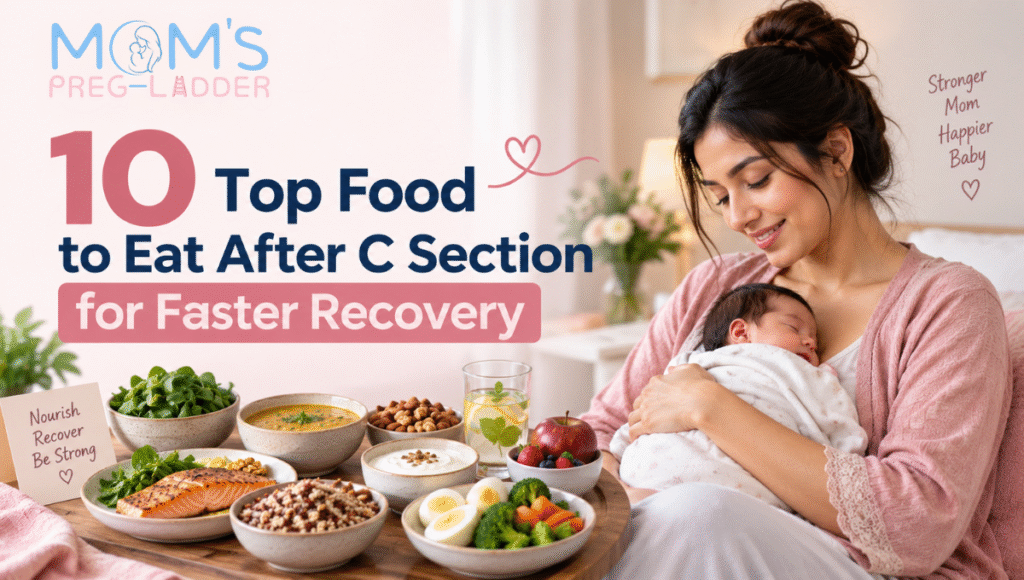
Food choices matter more than most people expect when it comes to fertility. A diet rich in whole foods gives your body the building blocks it needs for healthy egg quality, uterine lining development, and hormonal balance.
Foods that support fertility include:
- Leafy greens (spinach, kale): Rich in folate, iron, and magnesium
- Fatty fish (salmon, sardines): High in omega-3 fatty acids
- Eggs: Good source of choline and protein
- Almonds and walnuts: Provide vitamin E and healthy fats
- Legumes: High in plant-based protein and zinc
- Full-fat dairy (in moderation): Some research links it to better ovulatory function
Avoid ultra-processed foods, trans fats, and high-sugar foods. These can disrupt insulin and sex hormone levels, both of which matter for fertility.
WebMD recommends limiting caffeine to 200 milligrams per day (roughly one to two cups of regular coffee) and avoiding alcohol and smoking entirely when trying to conceive.
7. Manage Chronic Stress Actively
Chronic, unmanaged stress raises cortisol levels. When cortisol stays elevated over time, it can suppress reproductive hormones like estrogen and progesterone, disrupt ovulation, and create a hormonal environment that makes implantation harder.
This is not about telling you to “just relax.” That advice is frustrating and unhelpful. Best time to start pregnancy Managing stress means building actual practices into your routine:
- Yoga and stretching
- Daily walks in nature
- Journaling or talking with a counselor
- Setting boundaries around fertility-related conversations that feel overwhelming
- Limiting time on fertility forums when they increase anxiety rather than reduce it
At Mom’s Preg Ladder, pregnancy yoga is part of their educational offerings specifically because gentle movement and breathwork have real physiological benefits for women in the preconception and pregnancy stages.
8. Get Enough Sleep Every Night
Sleep is one of the most underrated tools for hormonal health. While you are sleeping, your body regulates the release of key hormones, including melatonin, leptin, and cortisol, all of which play supporting roles in ovulation and implantation.
Research shows that sleep deprivation raises cortisol and disrupts the hypothalamic-pituitary-ovarian axis, which controls your monthly cycle. Aim for seven to eight hours of uninterrupted sleep per night. A consistent sleep and wake schedule, even on weekends, helps your body maintain stable hormonal rhythms.
9. Address Any Underlying Medical Conditions
If your doctor suspects that a medical condition contributed to your chemical pregnancy, that condition needs treatment before you try again. Some of the most common ones include:
Thyroid disorders: Both an underactive and overactive thyroid can interfere with ovulation and early pregnancy. A simple blood test can check your TSH and thyroid hormone levels. Many women are diagnosed with thyroid issues only after a pregnancy loss.
PCOS (polycystic ovary syndrome): PCOS causes irregular ovulation, which makes conception harder. It also raises the risk of early loss. Dietary changes, targeted supplementation, and in some cases medication can bring ovulation back on track.
Antiphospholipid syndrome (APS): This blood clotting disorder is a recognized cause of recurrent pregnancy loss. If you have had multiple chemical pregnancies, ask your doctor to test for APS.
Low progesterone: Some ob-gyns prescribe progesterone supplements in early pregnancy to support uterine lining quality and reduce the risk of loss, particularly for women with a history of chemical pregnancies.
10. Know When to See a Fertility Specialist
One chemical pregnancy is common and does not usually point to an underlying problem. If you experience two or more chemical pregnancies, that pattern is worth investigating with a reproductive endocrinologist or fertility specialist.
A specialist can run advanced diagnostics, including:
- Preimplantation genetic testing (PGT), which checks embryos for chromosomal abnormalities before implantation (relevant for women going through IVF)
- Detailed uterine imaging such as a hysteroscopy or saline sonogram
- Immune system testing
- Sperm analysis for your partner
ACOG defines recurrent pregnancy loss as two or more losses, and recommends evaluation after this point. Do not feel like you need to “just keep trying” without answers if losses continue.
When Can You Start Trying After a Chemical Pregnancy?
Most women can try again after their first normal menstrual period following a chemical pregnancy. According to ACOG, ovulation can return as soon as two weeks after an early loss. Some couples choose to wait one to two full cycles to let their bodies and hormones fully reset.
There is some reassuring data here too. A study cited by Inito found that couples who try to conceive within three months of an early pregnancy loss are 17% more likely to achieve a live birth than those who wait longer. Your body has not forgotten how to do this.
How Mom’s Preg Ladder Can Support You
Navigating conception after loss is not something you should have to do without guidance. Mom’s Preg Ladder, founded by internationally certified childbirth educator and maternal nutritionist Mrs. Swapnil Kaushik, offers a range of educational programs designed to prepare women and couples for a healthy pregnancy from the ground up.
Their pre-conception and pre-pregnancy classes cover nutritional counseling, understanding your cycle, and preparing your body before conception. They also offer one-on-one consultations for women who want personalized support as they prepare to try again.
A Final Word
A chemical pregnancy is a loss, and it deserves to be treated as one. At the same time, it does not define your future. Thousands of women have walked this path and gone on to carry healthy pregnancies to term. With the right medical support, lifestyle adjustments, and emotional care, your chances remain real and worth pursuing.
Take it one step at a time. Talk to your doctor. Take care of your body. And when you are ready, reach out for the support you deserve, whether that is through a healthcare provider, a counselor, or a resource like Mom’s Preg Ladder.
FAQs: Getting Pregnant After a Chemical Pregnancy
Q1: How long after a chemical pregnancy can I try to get pregnant again?
Physically, you can try to conceive again after your next menstrual period, which usually comes two to six weeks after the loss. ACOG confirms that ovulation can return in as little as two weeks. Emotionally, only you know when you feel ready. There is no medical benefit to waiting longer than one cycle unless your doctor advises otherwise.
Q2: Does a chemical pregnancy mean something is wrong with my fertility?
Not necessarily. A single chemical pregnancy is most often caused by a random chromosomal error in the embryo, not by any problem with your fertility. Most women who experience one go on to have healthy pregnancies. Repeated chemical pregnancies (two or more) are worth investigating with your doctor.
Q3: Are you more fertile right after a chemical pregnancy?
There is some evidence suggesting higher fertility in the months immediately following an early pregnancy loss, though research is ongoing. What is clear is that a chemical pregnancy shows your body can achieve fertilization and implantation, which are positive signs. Some data suggests trying within three months may improve live birth rates.
Q4: What supplements should I take when trying to get pregnant after a chemical pregnancy?
Start with a prenatal vitamin containing at least 400 mcg of folic acid, vitamin D, iron, and zinc. Some doctors may also recommend Coenzyme Q10 (CoQ10) for egg quality, particularly for women over 35. Always discuss supplements with your doctor before starting them.
Q5: When should I see a fertility specialist after a chemical pregnancy?
If you have had one chemical pregnancy, you do not usually need to see a specialist right away. If you experience two or more chemical pregnancies, or if you are over 35 and have been trying for more than six months without success, ask for a referral to a reproductive endocrinologist. Early evaluation can identify treatable causes.