Between growing body parts, hormone fluctuations, and never-ending questions running through your mind, pregnancy can feel like a rollercoaster. Many moms want to find safe, natural solutions that can help them feel better. Especially during all three trimesters.
Enter the many benefits of meditation and yoga while pregnant.
You don’t need to twist yourself into a pretzel or spend hours on the meditation cushion. Even a few minutes of daily practice can nurture your mental and physical wellbeing, and studies keep showing us why. Meditation and yoga benefits for pregnancy, explained, benefit by benefit.
What Do Meditation and Prenatal Yoga Actually Involve?
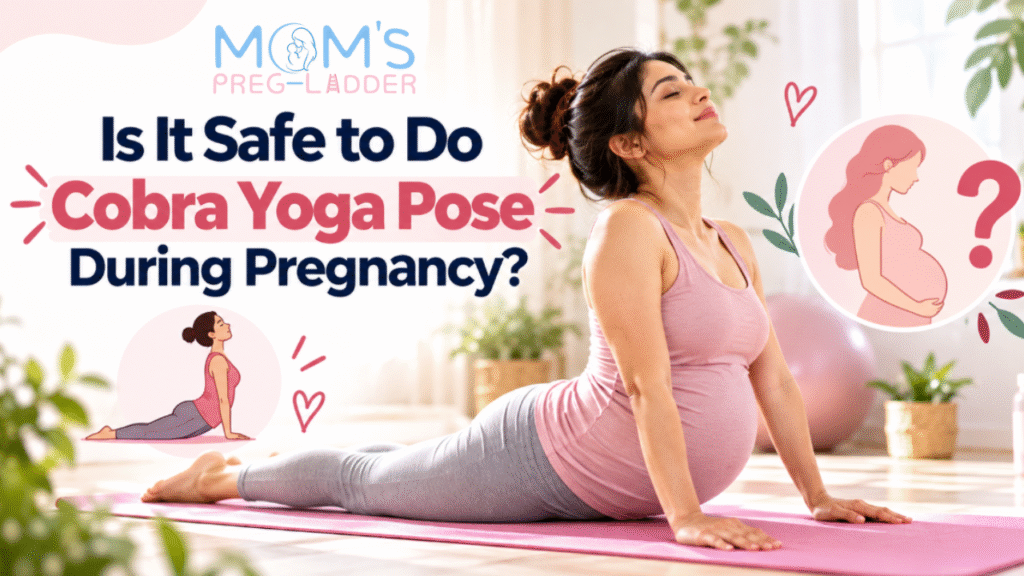
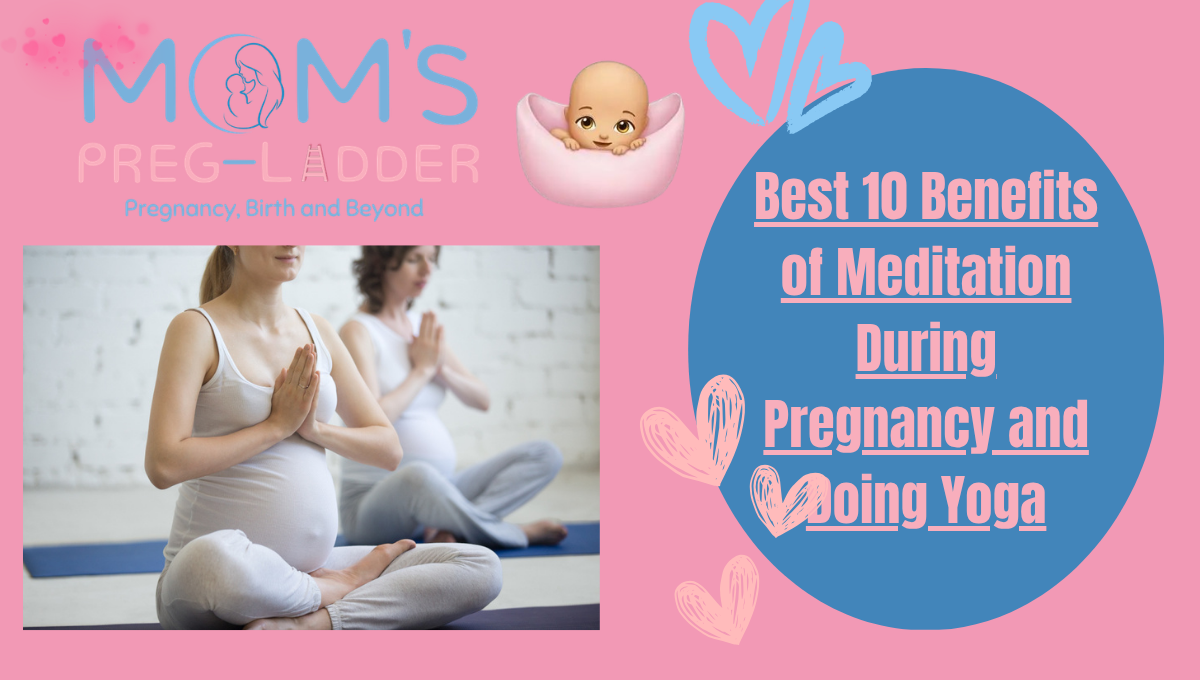
Pregnancy yoga classes is just yoga poses modified to be safe for your belly. Postures avoid anything that compresses the abdomen or overloads the back. You’ll probably do some pranayama (breath work), gentle stretching, and relaxation.
Pregnancy meditation typically involves mindfulness-based exercises: focused breathing, body scanning, guided visualization, or just watching your breath. Many studies use meditation sessions that are only 10-15 minutes long and still see results.
Yoga and meditation both act on your nervous system. They help your body shift out of stress-response and into a relaxed state that benefits fetal development.
10 Science-Backed Benefits of Meditation and Yoga During Pregnancy
1. Lower Stress and Anxiety Levels
One of the most frequently reported concerns during pregnancy is stress. When you’re stressed your body produces more cortisol.
Research backs up meditation as a solution. A Healthcare (MDPI) systematic review published in 2024 looked at a bunch of randomized controlled trials. The researchers concluded that mindfulness programs helped pregnant people reduce anxiety and perceived stress. And the results of a 2023 pilot study published in Journal of Medical Internet Research showed clinically significant reductions in stress, anxiety, and pregnancy-related anxiety after four weeks of daily meditation.
Why does this matter? and proven ways to get a flat tummy High levels of stress while pregnant can lead to preterm birth and low birth weight. Reducing stress can help you have a healthier pregnancy.
2. Reduced Risk of Preterm Birth and Low Birth Weight
One study compared 335 pregnant women who did yoga with those who walked for exercise. Moms who practiced yoga experienced fewer premature births and fewer low birth weight babies than women who walked for exercise. In 2024, the American Heart Association concluded, “Doing prenatal yoga might decrease your risk of preterm labor. is magnesium chloride safe during pregnancy. Yoga may help decrease your risk partly by reducing blood pressure and stress hormones.” Regular yoga practice starting in your second trimester and beyond seems to lead to better birth outcomes.
3. Better Sleep Quality
Sleep issues impact nearly 50% of pregnant women. But rest can be especially elusive during your third trimester. Between physical discomfort, getting up to pee all night, and stress-induced racing thoughts, it’s a lot to manage.
Practicing pranayama the yogic practice of breathwork can help you sleep better when you’re pregnant. Remember the mindfulness app study we discussed earlier this year in 2023? In addition to asking users about how they slept, it used wearable technology to monitor users’ physiological sleep markers. There was a noted improvement in sleep! Spending more time feeling calm and committing to your breathwork practice at night can help you sleep better.
4. Lower Blood Pressure and Reduced Risk of Preeclampsia
High blood pressure is a serious issue during pregnancy. High blood pressure and damage to organs like the liver and kidneys is known as preeclampsia and occurs in 5 to 8 percent of pregnancies (American College of Obstetricians and Gynecologists).
One study published in the Journal of Maternal-Perinatal and Child Health Sciences showed that practicing yoga for 4 weeks during pregnancy reduced systolic AND diastolic blood pressure in pregnant women at risk of developing preeclampsia. Another large meta-analysis studying 30 randomized controlled trials concluded that yoga reduced systolic blood pressure by nearly 8 mmHg on average when compared to control groups.
Additionally, prenatal yoga may reduce complications associated with hypertension like intrauterine growth restriction (American Pregnancy Association).
5. Relief from Back Pain, Pelvic Discomfort, and Other Physical Aches
Pregnancy changes your center of gravity, loosens your joints and makes new demands on your muscles. Back pain and pelvic girdle pain are some of the most common complaints.
Yoga strengthens the muscles that support your spine and pelvis. It lengthens your hip flexors and hamstrings, which tighten as your belly expands. Two randomized controlled trials of pregnancy yoga found significantly lower levels of pain among participants compared to control groups, one systematic review concluded (PLOS ONE, 2022).
The American College of Obstetricians and Gynecologists recommends exercise in uncomplicated pregnancies to alleviate musculoskeletal pain.
6. Improved Mood and Fewer Symptoms of Depression
Did you know prenatal depression is far more prevalent than most realize? Between 10% to 15% of expectant mothers suffer from clinical depression (APA). Research published in Frontiers in Psychology (2022) found mindfulness meditation was effective for pregnancy-related depression across several randomized controlled trials. An umbrella review published in International Journal of Environmental Research and Public Health (2023) found 93% of prenatal yoga meta-analyses demonstrated yoga was superior to control groups at reducing anxiety, depression, and stress.
Mom’s Preg Ladder trimester-specific yoga classes and labor prep programs are designed with this mental wellness benefit in mind as well as the physical aspect.
7. Stronger Positive Emotions and Partner Bonding
Meditation isn’t just about decreasing negatives. It increases positives too.
Research published in Journal of Child and Family Studies observed couples in their third trimester who completed an 9-week mindfulness meditation program together. Post-program participants reported increased positive emotion such as gratitude, hope, and enjoyment. Those positive feelings extended into postpartum and heightened the quality of their relationships with their babies and partners.
Training alongside your partner for even a few minutes can go a long way to helping the two of you feel connected when you head into birth.
8. Shorter Labor Duration and Lower Cesarean Rates
People are often surprised by this one. There is research that shows prenatal yoga ties to better labor outcomes.
Studies have shown prenatal yoga decreased rates of induction, preterm birth, cesarean, and length of labor overall. Research published in the Journal of Maternal and Child Health in 2021 verifies prenatal yoga decreases length of labor and labor pain. One randomized controlled trial showed a decreased rate of cesarean specifically for women who did yoga.
As you practice prenatal yoga, you become familiar with your breath and how your body moves. This benefits you during labor when your breathing and positioning can have a significant impact.
9. Better Apgar Scores for Your Baby
The Apgar score your baby receives when he or she is born assess complexion, pulse, reflexes, muscle movement and breathing. The higher the score, the healthier your baby will be when delivered. A study referenced on WebMD revealed that the women who experienced higher levels of mindfulness during pregnancy gave birth to babies with higher Apgar scores. In the yoga study of 335 women, they also saw improved outcomes for newborns in the yoga group. Both of these studies show a correlation between a mother’s relaxed nervous system and her baby being more prepared for life at birth.
10. Greater Confidence and Emotional Readiness for Birth
Something clinical trials can’t account for, but mothers-to-be will attest to, is a change in a woman’s confidence heading into labor. Women who practice prenatal yoga regularly have told us over and over how they feel more physically and emotionally prepared for childbirth. Knowing your body with yoga and breath provides you with tangible skills to combat pain and fear when you’re in labor. That is the core focus of everything we aim to provide at Mom’s Preg Ladder with our prenatal yoga, Garbh Sanskar, and labor preparation classes.
Quick Reference: 10 Benefits at a Glance
Here is a snapshot for easy reference:
- Lowers stress and anxiety
- Reduces risk of premature birth and low birth weight
- Improves sleep quality
- Lowers blood pressure and preeclampsia risk
- Relieves back pain and pelvic discomfort
- Reduces depression symptoms
- Builds positive emotions and partner bonding
- Shortens labor and may reduce cesarean rates
- Supports better Apgar scores in newborns
- Builds confidence and emotional readiness for birth
When Can You Start Prenatal Yoga and Meditation?
The general consensus among most yoga teachers is to wait until after your first trimester to begin prenatal yoga. Many advise waiting until week 13 or 14, when your risk of miscarriage lessens. Meditation can be practiced anytime there is no waiting period!
Of course, before beginning any exercise program, you should speak with your obstetrician or midwife, especially if you are experiencing a high risk pregnancy, have placenta previa or have had previous instances of preterm labor.
Once you’ve gotten the go ahead from your care provider, look for a class or program taught by a certified prenatal yoga instructor who knows how to modify poses according to trimester.
FAQs About Meditation and Yoga During Pregnancy
Q1: Is prenatal yoga safe in all three trimesters?
Prenatal yoga is generally safe throughout all three trimesters when taught by a certified instructor using pregnancy-appropriate modifications. Poses that compress the abdomen, require lying flat on your back after 16 weeks, or involve inversions are typically avoided. Always get clearance from your doctor first, especially if you have a high-risk pregnancy.
Q2: How long should I meditate each day during pregnancy?
Even 10 to 15 minutes of daily meditation can produce measurable reductions in stress and anxiety. A 2023 study used twice-daily sessions over one month and saw statistically meaningful improvements. Start with whatever feels manageable and build from there. Consistency matters more than duration.
Q3: Can meditation during pregnancy help my baby’s development?
Research is still evolving, but existing studies link mindfulness practice during pregnancy to higher Apgar scores at birth. Researchers also study how a mother’s reduced cortisol levels during pregnancy may support healthier fetal development. Reducing chronic stress appears to benefit both mother and baby in measurable ways.
Q4: What type of meditation is best during pregnancy?
Mindfulness-based stress reduction (MBSR), guided breathing exercises, and body scan meditations are the most studied and widely recommended forms for pregnant women. Apps like Headspace have been studied in clinical trials with pregnant participants. Breathing-based practices (pranayama) from prenatal yoga also serve as a form of active meditation.
Q5: Does prenatal yoga really help with labor pain?
Yes, research supports this. A 2021 analysis in the Journal of Maternal and Child Health found prenatal yoga reduces labor pain and shortens labor duration. Clinical trials have also found lower cesarean rates among yoga practitioners. The breathing and body-awareness skills learned in yoga classes are directly applicable during labor contractions.