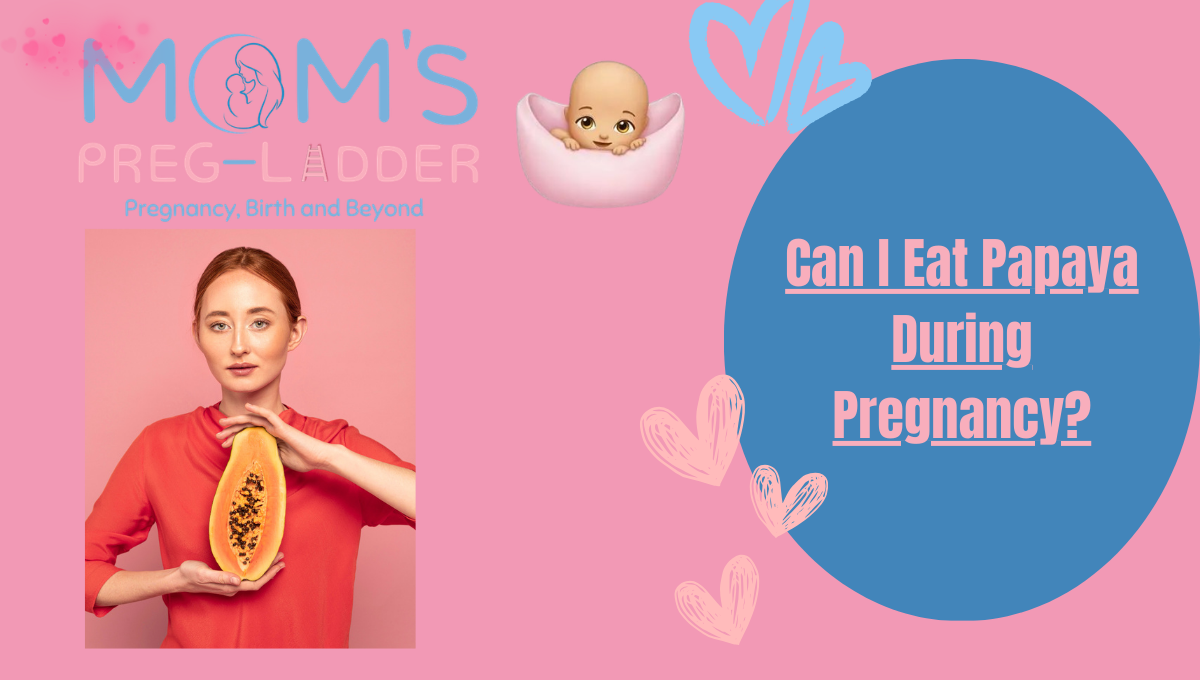
Pregnancy brings a flood of questions about food safety, and papaya often tops the list of confusing foods. You might have heard conflicting advice from friends, family, or online sources. Some say it’s dangerous, while others claim it’s packed with nutrients. So what’s the truth about eating papaya during pregnancy?
The answer depends on the ripeness of the fruit. Ripe papaya is generally safe and can offer real nutritional benefits, while unripe papaya poses risks that expectant mothers should understand. This guide will help you make informed choices about including this tropical fruit in your pregnancy diet.
Understanding the Papaya Paradox
The confusion around papaya during pregnancy stems from a simple fact: not all papayas are created equal. The ripeness of the fruit makes all the difference between a healthy snack and a potential risk.
Ripe papaya has yellow or orange skin, soft flesh, and a sweet taste. It contains lower levels of enzymes and latex that could affect pregnancy. When you eat a fully ripened papaya in moderation, you’re getting vitamins, minerals, and fiber that support both you and your growing baby.
Unripe papaya, on the other hand, has green skin and firm flesh. This version contains high concentrations of latex and an enzyme called papain. These substances can trigger problems during pregnancy, especially in the first trimester, by potentially stimulating uterine contractions.
After delivery, however, dietary choices should shift toward recovery and healing. A strong postpartum programme focuses on restoring hormonal balance, rebuilding strength, supporting digestion, and enhancing milk production. Once cleared by a healthcare provider, nutrient-dense foods—including ripe fruits, adequate proteins, and traditional postpartum meals—play an important role in maternal recovery, tissue repair, and energy restoration.
Why Unripe Papaya During Pregnancy Is Risky
The latex in unripe papaya contains compounds that act similarly to prostaglandins and oxytocin in your body. These are the same hormones doctors use to start or speed up labor contractions. When you consume unripe fruit, the papain and latex can stimulate your uterus to contract.
Research published in the British Journal of Nutrition found that crude papaya latex induced spasmodic contractions in uterine muscles, similar to the effects of oxytocin and prostaglandin. While this study used animal models, the findings raised concerns about unripe papaya consumption during human pregnancy.
These contractions become especially dangerous during early pregnancy when the fetus is most fragile. The latex may also weaken the vital membranes surrounding the developing baby, making survival more difficult. That’s why healthcare providers strongly recommend avoiding unripe and semi-ripe papaya, particularly in the first trimester.
Can Pregnant Women Eat Papaya? The Ripe Fruit Story
Yes, pregnant women can safely enjoy ripe papaya when consumed in moderate amounts. The key word here is “ripe.” Once the fruit fully matures, the latex content drops significantly, and the nutritional benefits come to the forefront.
Studies showed that normal consumption of ripe papaya during pregnancy may not pose any significant danger. The same research that raised concerns about unripe fruit found no adverse effects from ripe papaya consumption in pregnant rats.
At Mom’s Preg Ladder, we understand that nutrition during pregnancy trimister tips can feel overwhelming. That’s why our certified childbirth educators and maternal nutrition experts provide personalized guidance on safe eating practices throughout your pregnancy journey.
Nutritional Benefits of Ripe Papaya
When you choose ripe papaya, you’re getting a powerhouse of nutrients that support a healthy pregnancy:
Vitamin C for Immunity and Iron Absorption Vitamin C supports immune function and enhances iron absorption, which becomes especially important during pregnancy. Many expectant mothers face iron deficiency anemia, and the vitamin C in papaya helps your body absorb iron more efficiently from your diet.
Folate for Neural Development Folate is important for neural tube development. This B vitamin plays a critical role in preventing birth defects in your baby’s brain and spinal cord. Getting adequate folate is especially important during the first trimester when the neural tube is forming.
Fiber for Digestive Health Pregnancy often brings uncomfortable digestive issues. Fiber helps prevent pregnancy constipation, one of the most common complaints among expectant mothers. The natural enzymes in ripe papaya can also aid digestion and help alleviate bloating.
Antioxidants and Vitamins Ripe papaya is rich in Vitamin A, Vitamin B, Vitamin C, potassium, and beta-carotene, all of which have high antioxidant content and boost the immune system. These nutrients work together to protect your cells from damage and support your baby’s healthy growth.
How to Safely Eat Papaya During Pregnancy
If you decide to include papaya in your pregnancy diet, follow these safety guidelines:
Choose Only Fully Ripe Fruit Look for papayas with yellow-orange skin and flesh that yields gently when pressed. The fruit should smell sweet. Avoid any papaya with green patches, brown spots, or signs of mold.
Wash Thoroughly Wash the fruit under running water before cutting and use clean utensils and boards. This removes any bacteria or pesticides that might have settled on the skin during transport and storage.
Remove Seeds and Skin Always scoop out all the seeds before eating. Cut away the flesh carefully from the skin, and avoid eating the fruit directly next to the rind where latex residue might remain.
Eat in Moderation A small bowl or a few slices a few times per week is reasonable for most pregnant women. Remember that pregnancy nutrition is about variety and balance. Don’t rely too heavily on any single food, even healthy ones.
Store Properly Refrigerate cut papaya within 2 hours and make sure your fridge temperature is below 40°F. Proper storage prevents bacterial growth that could lead to foodborne illness.
When to Avoid Papaya Completely
Certain situations call for skipping papaya altogether during pregnancy:
First Trimester Caution During the early months or stages of pregnancy, the fetus is very fragile and must be given utmost care and attention. If you’re in your first trimester and uncertain about the ripeness of available papayas, it’s safer to choose other nutritional fruits until you enter the second trimester.
Latex Allergy If you have a latex allergy, avoid papaya entirely. Some people with latex allergies experience cross-reactivity with certain fruits, including papaya. Talk to your allergist before trying this fruit.
Pregnancy Complications Women with a history of preterm labor or those experiencing threatened miscarriage should discuss papaya consumption with their healthcare provider. Your specific medical situation might warrant extra caution.
Papaya Enzyme Supplements Avoid papaya enzyme supplements in pregnancy unless your doctor approves. Supplements contain concentrated forms of papain and aren’t the same as eating ripe fruit. They also lack FDA regulation.
Understanding Papaya Myths vs. Facts
Several myths about papaya during pregnancy persist despite scientific evidence. Let’s clear up the confusion:
- Myth: All papaya causes miscarriage.
Truth: Only unripe papaya poses risks due to its latex content. Ripe papaya consumed in moderation is safe.
- Myth: Papaya damages fetal development.
Truth: Ripe papaya provides vitamins that support healthy fetal growth.
- Myth: You should avoid papaya throughout pregnancy.
Truth: Many women safely enjoy ripe papaya during all trimesters when eaten properly.
- Myth: Papaya is a “hot food” that raises body temperature dangerously.
Truth: There’s no research showing that papaya or other foods raise body temperature enough to harm pregnancy.
Alternative Fruits for Pregnancy
If you’re uncomfortable with papaya or simply want variety, plenty of other fruits offer similar nutritional benefits without any concerns:
Bananas provide energy and help reduce nausea. Oranges deliver vitamin C for immunity. Apples contain fiber for digestion. Berries pack antioxidants and vitamins. Mangoes offer vitamins A and C. Watermelon keeps you hydrated with its high water content.
Mom’s Preg Ladder offers comprehensive early pregnancy classes that cover nutrition, prenatal yoga, and preparation for each stage of your journey. Our certified experts help you build a balanced diet that supports your unique pregnancy needs.
The Role of Expert Guidance
Every pregnancy is different. What works for one expectant mother might not suit another. That’s where professional guidance becomes invaluable.
Mom’s Preg Ladder provides one-on-one consultations with internationally certified childbirth educators and maternal nutrition specialists. We help you navigate dietary questions, prepare for labor, and build confidence throughout your pregnancy. Our classes cover everything from pre-conception to postpartum care, ensuring you have support at every step.
Whether you’re dealing with morning sickness, managing gestational diabetes, or simply trying to eat well for your baby’s development, personalized expert advice makes a real difference.
Making the Right Choice for Your Pregnancy
The question “Can I eat papaya during pregnancy?” doesn’t have a one-size-fits-all answer. Your decision should consider the fruit’s ripeness, your stage of pregnancy, your medical history, and your comfort level.
If you choose to eat papaya, stick with fully ripe fruit and practice moderation. If you’re uncertain or have any concerns, talk to your healthcare provider before adding it to your diet. And remember that plenty of other nutritious fruits can provide similar benefits without any doubt.
Your pregnancy journey deserves expert support and reliable information. At Mom’s Preg Ladder, we’re committed to helping expectant mothers make informed choices about nutrition, exercise, and preparation for childbirth. Trust your instincts, consult professionals when needed, and enjoy this special time knowing you’re taking the best possible care of yourself and your baby.
Frequently Asked Questions
Q: Is it safe to drink papaya juice during pregnancy?
Yes, but only if made from fully ripe papaya and consumed fresh in small amounts. Avoid packaged juices that may contain concentrates, added sugars, or preservatives. Make sure no latex or unripe fruit pieces are included. Fresh juice from ripe papaya provides the same nutrients as the whole fruit.
Q: What should I do if I accidentally ate unripe papaya while pregnant?
Stay calm and monitor yourself for any unusual symptoms like cramping or bleeding. One small exposure likely won’t cause problems, but contact your healthcare provider to discuss what happened. They can advise whether you need monitoring or if you should simply watch for warning signs at home.
Q: Can eating papaya help with morning sickness?
Some pregnant women find that ripe papaya helps settle their stomach and reduce nausea. The fruit’s natural enzymes aid digestion, and its mild sweetness can be appealing when you’re feeling queasy. Start with small amounts to see how your body responds before making it a regular part of your diet.
Q: How much ripe papaya can I safely eat during pregnancy?
Most experts suggest limiting papaya to a small bowl or two to three slices a few times per week. There’s no official recommended daily amount, but moderation is key. Balance your fruit intake with other nutritious options to ensure you’re getting a variety of vitamins and minerals throughout your pregnancy.
Q: Does papaya in the third trimester increase the risk of early labor?
Ripe papaya consumed in moderate amounts during the third trimester is generally considered safe for most women. The concerns about inducing labor apply primarily to unripe papaya with high latex content. If you have risk factors for preterm labor or your doctor has put you on activity restrictions, ask for specific guidance about your diet.