Pregnancy changes your body in ways you probably didn’t expect, and it can be tempting to slow down completely especially in the first trimester when fatigue hits hard. But here’s what the research consistently shows: staying active during pregnancy is one of the best things you can do for yourself and your baby.
We’re not talking about training for a marathon. We’re talking about safe, consistent, trimester-appropriate movement that supports your changing body, prepares you for labor, and helps you bounce back postpartum.
Let’s break it down.
Why Staying Active and Fit During Pregnancy Actually Matters
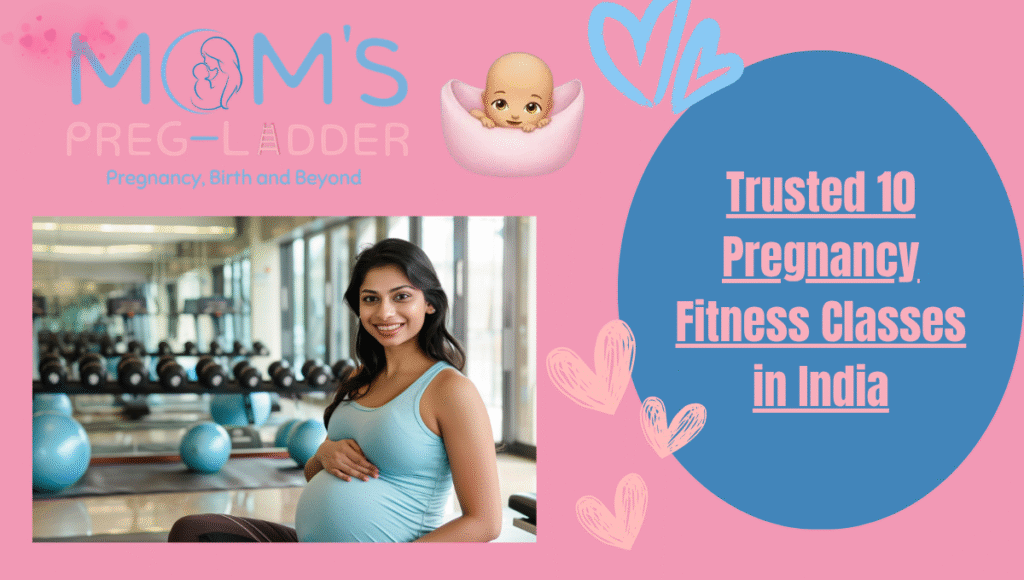
The American College of Obstetricians and Gynecologists (ACOG) recommends that pregnancy yoga classes women without medical complications get at least 150 minutes of moderate-intensity aerobic activity per week. That’s the same recommendation they give for non-pregnant adults.
Here’s why that matters for you:
For you:
- Reduces the risk of gestational diabetes and preeclampsia
- Lowers the chance of excessive weight gain
- Eases back pain, bloating, and constipation
- Improves sleep quality
- Supports mental health and reduces anxiety
- Builds stamina for labor and delivery
For your baby:
- Associated with healthier birth weights
- May support better cardiovascular health in the baby
- Some research links prenatal activity to better neurodevelopment outcomes
The evidence is clear. Staying sedentary during a healthy pregnancy doesn’t protect you it can actually increase certain risks.
How to Stay Active and Healthy During Each Trimester
Pregnancy is not a static state. Your body and your baby’s development look completely different at 8 weeks compared to 32 weeks. That means your fitness approach needs to change with each trimester.
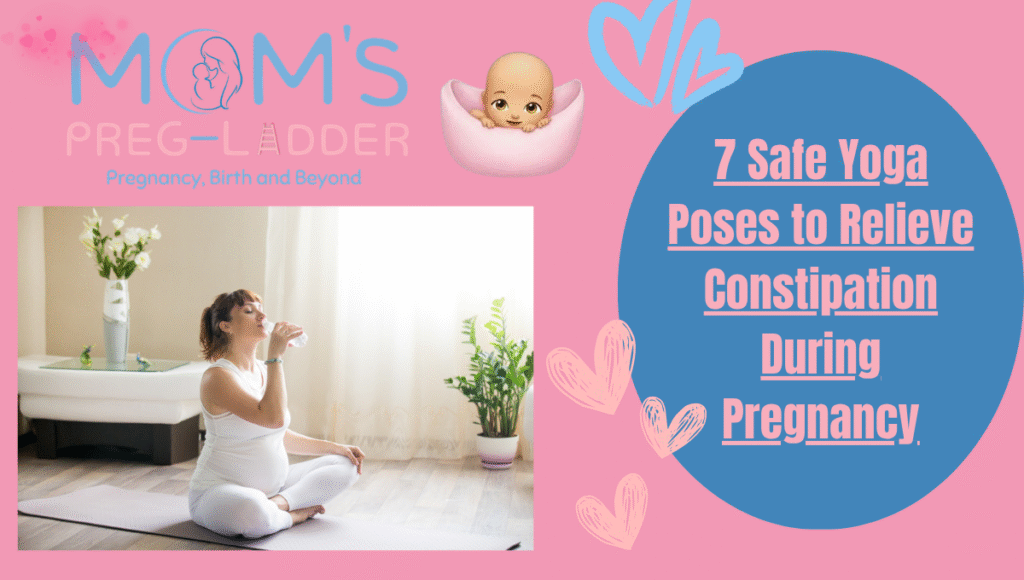
7 Yoga Poses During Pregnancy: Adapting your exercise routine with safe, gentle yoga can support strength, flexibility, and relaxation throughout pregnancy. Here are seven recommended poses:
First Trimester (Weeks 1–13): Build the Habit
The first trimester is often the hardest time to stay active, not because exercise is unsafe, but because nausea and exhaustion are real. Many women feel their worst between weeks 6 and 10.
What works in the first trimester:
- Walking — even 20 minutes daily makes a difference. It’s low-impact and easy to do when energy is low.
- Light yoga or stretching — helps with nausea, tension headaches, and sleep problems.
- Swimming or water aerobics — the buoyancy relieves nausea for some women and keeps you cool.
- Pelvic floor exercises (Kegels) — start these early. The pelvic floor supports your uterus, bladder, and bowel. Strengthening it now pays dividends later.
What to avoid: high-intensity contact sports, exercises with a high fall risk, and any activity where your core temperature might spike significantly (like hot yoga).
Listen to your body. If nausea is severe, a 10-minute walk is still better than no movement at all.
Second Trimester (Weeks 14–27): The Sweet Spot
Most women feel significantly better by week 14. Energy returns, nausea typically fades, and the belly is growing but still manageable. This is the best time to build consistency.
Good options for the second trimester:
- Prenatal yoga — improves flexibility, reduces back pain, and teaches breathing techniques that directly help with labor. Classes designed specifically for pregnancy account for your changing center of gravity.
- Low-impact cardio — cycling on a stationary bike, elliptical, or brisk walking all work well.
- Strength training — bodyweight exercises and light resistance training are safe and beneficial. Focus on the back, hips, and glutes, which take significant strain as the belly grows.
- Swimming — remains excellent throughout pregnancy.
One important note for the second trimester: avoid lying flat on your back for extended periods after about 16–20 weeks. In this position, your growing uterus can compress the inferior vena cava, reducing blood flow. Most exercises can be easily modified to avoid this.
Third Trimester (Weeks 28–40): Modify and Keep Moving
By the third trimester, your belly is front and center (literally), your joints are more lax due to the hormone relaxin, and your lung capacity may feel reduced. This is not the time to push intensity it’s the time to stay consistent and focus on preparation.
What works in the third trimester:
- Prenatal yoga and gentle stretching — especially hip openers and positions that encourage optimal fetal positioning
- Walking — remains one of the safest and most beneficial activities all the way to your due date
- Pelvic floor work — keep up with those Kegels
- Breathing exercises — active labor involves a lot of controlled breathing; practicing now builds the habit
What to avoid: high-impact activities, anything that requires balance on one foot (your center of gravity has shifted significantly), exercises flat on your back, and heavy lifting.
At this stage, movement is still your friend it helps with swelling, back pain, and sleep, and research shows that active women tend to have shorter labors.
Safe Exercises to Stay Fit and Healthy During Pregnancy
Here’s a quick reference for exercises that are generally safe across trimesters (always get clearance from your doctor first):
Low-Impact Cardio
- Walking (safe all 9 months)
- Swimming and water aerobics
- Stationary cycling
- Low-impact dance or aerobics
Strength and Toning
- Bodyweight squats and lunges (great for labor preparation)
- Glute bridges
- Modified push-ups
- Resistance band exercises for the upper body
Flexibility and Relaxation
- Prenatal yoga
- Cat-cow stretches for back pain
- Hip flexor stretches
- Child’s pose (modified with a wider stance as belly grows)
Pelvic Floor
- Kegel exercises
- Deep squat holds (with support if needed)
- Diaphragmatic breathing
Pregnancy Nutrition: Eating to Stay Healthy and Fit
Exercise alone isn’t the full picture. What you eat directly affects your energy levels, your baby’s development, and how your body handles the physical demands of pregnancy.
Here are the nutrition basics that matter:
Calorie needs: You don’t need to “eat for two.” In the first trimester, your caloric needs barely change. The second trimester calls for about 340 extra calories per day, and the third trimester about 450 extra calories per day (Academy of Nutrition and Dietetics).
Key nutrients to prioritize:
- Folate/Folic acid — reduces the risk of neural tube defects; found in leafy greens, lentils, and fortified foods
- Iron — blood volume increases by about 50% during pregnancy; good sources include lean meat, beans, and spinach
- Calcium — your baby’s bones and teeth need it; found in dairy, fortified plant milks, and almonds
- DHA (Omega-3) — supports fetal brain development; found in fatty fish like salmon, or through supplements
- Protein — needs increase to about 71g per day during pregnancy to support fetal growth
Stay hydrated: Pregnant women need about 10 cups (2.4 liters) of fluid per day, per the Institute of Medicine. Dehydration during pregnancy can trigger Braxton Hicks contractions and cause fatigue.
What to limit: processed foods high in sodium, raw or undercooked meats, high-mercury fish (shark, swordfish, king mackerel), unpasteurized cheeses, and excess caffeine (keep it under 200mg per day, as per ACOG guidelines).
Mental Wellness Is Part of Staying Healthy in Pregnancy
Being healthy during pregnancy isn’t just physical. Anxiety and depression affect roughly 15–20% of pregnant women, and they’re still significantly underdiagnosed.
Are Cramps Normal in Pregnancy? Mild cramping is quite common, especially in the early stages of pregnancy. It often occurs due to the uterus stretching, hormonal changes, or implantation. Many women also experience occasional cramps in the second trimester as ligaments expand to support the growing baby. However, cramps should generally be mild and not persistent. If you experience severe pain, cramping with bleeding, fever, or unusual symptoms, it’s important to consult a healthcare provider promptly to rule out any complications.
Practical ways to support your mental health:
- Stay connected. Isolation makes anxiety worse. Regular check-ins with friends, family, or a prenatal community matter.
- Move your body. Exercise has a measurable effect on mood via endorphins and improved sleep.
- Educate yourself. Fear of the unknown, especially around labor, is one of the biggest sources of pregnancy anxiety. Childbirth education classes can dramatically reduce that fear by replacing the unknown with accurate, reassuring information.
- Rest intentionally. Sleep is not a luxury in pregnancy. Poor sleep is linked to longer labors and increased rates of cesarean delivery (study published in the American Journal of Obstetrics and Gynecology, 2004).
At Mom’s Preg Ladder, one of the services offered is trimester-specific prenatal yoga, which addresses both the physical and emotional aspects of pregnancy in a structured, guided way. It’s worth exploring if you want support that goes beyond a generic fitness video.
Warning Signs to Stop Exercising Immediately
No fitness guide is complete without this. Stop exercising and contact your healthcare provider right away if you experience any of the following:
- Vaginal bleeding or fluid leaking
- Chest pain or difficulty breathing before exertion
- Dizziness or feeling faint
- Painful uterine contractions (more than 6–8 per hour)
- Decreased fetal movement
- Calf pain or swelling (could indicate a clot)
- Severe headache or visual disturbances
These are not reasons to avoid exercise in general they’re signals that something specific needs attention. Most women who exercise during pregnancy never experience any of these.
When You Need Personalized Guidance
Every pregnancy is different. Women with twins, certain placental positions, a history of preterm labor, or other complications may have specific restrictions. General advice, no matter how well-researched, has limits.
This is where structured prenatal education makes a real difference. The team at Mom’s Preg Ladder offers pregnancy yoga classes, early pregnancy classes, and one-on-one consultations designed specifically for Indian mothers, with guidance from an internationally certified childbirth educator. That kind of personalized, trimester-aware support is very different from a generic YouTube workout.
A Simple Weekly Routine to Stay Active and Fit Throughout Pregnancy
You don’t need a complicated plan. Here’s a realistic weekly structure that works across most trimesters (adjust based on how you feel):
| Day | Activity | Duration |
| Monday | Prenatal yoga | 30–45 min |
| Tuesday | Walking | 20–30 min |
| Wednesday | Rest or light stretching | 15 min |
| Thursday | Swimming or stationary bike | 30 min |
| Friday | Prenatal yoga or bodyweight exercises | 30 min |
| Saturday | Walking | 30 min |
| Sunday | Rest |
Pelvic floor exercises can be done daily they take less than 5 minutes and can be done anywhere.
5 Frequently Asked Questions
Q1. Is it safe to exercise during the first trimester when I feel nauseous?
Yes, gentle movement like short walks and light yoga is safe during the first trimester. It can actually reduce nausea for some women. Start with 10–15 minute sessions and go at whatever pace feels manageable. Always check with your doctor if you’re unsure.
Q2. Can I continue my regular workout routine after getting pregnant?
In most cases, yes — with modifications. Women who were already active before pregnancy can generally continue their routine at a lower intensity. Avoid contact sports, high-impact exercises, and anything with a fall risk. Your doctor can give you specific guidance based on your health history.
Q3. What is the best exercise to prepare for labor?
Squats, walking, and prenatal yoga are among the most useful. They strengthen the legs and hips, encourage optimal fetal positioning, and improve endurance. Pelvic floor exercises and breathing techniques are also directly applicable during labor.
Q4. How much weight should I gain during a healthy pregnancy?
The recommended weight gain depends on your pre-pregnancy BMI. Women with a normal BMI (18.5–24.9) are generally advised to gain 11–16 kg. Staying active and eating a balanced diet makes it easier to stay within healthy ranges. Your doctor or a certified nutritionist can give you personalized targets.
Q5. When should I stop exercising during pregnancy?
There’s no fixed cutoff date. Many women exercise right up to their due date with doctor approval. You should stop immediately and seek medical advice if you experience bleeding, chest pain, dizziness, fluid leakage, or severe swelling. Listen to your body and follow your healthcare provider’s guidance.