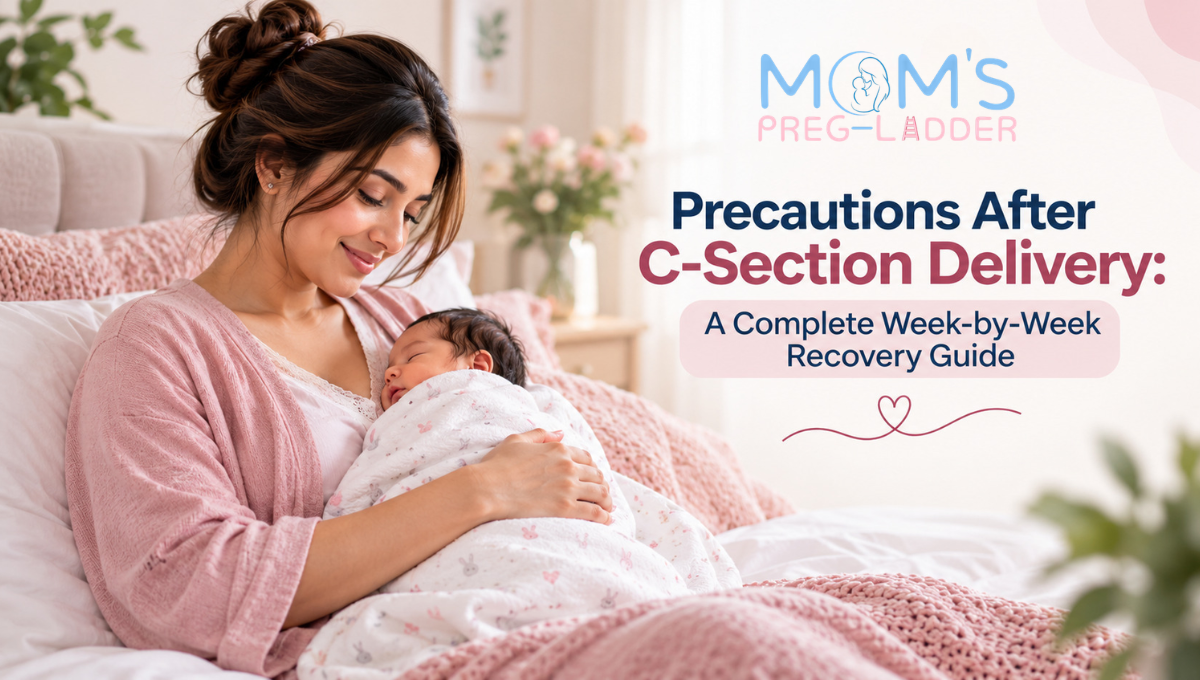
It is major abdominal surgery, not just an alternative method of birthing. Your body takes time to heal, and knowing what to expect each week makes the whole process less confusing and a lot less scary. This guide takes you through precautions after C-section delivery, from hospital bed to your six-week check-up and beyond.
Why C-Section Recovery Takes Longer Than You Might Expect
A vaginal delivery repairs tissue used in labour. A caesarean birth involves an incision through the skin, fat, muscle, and wall of the uterus. The outer skin normally heals within a few days, but the deeper muscle and tissue layers take many months to repair, Gloucestershire Hospitals NHS Foundation Trust said.
But that’s why doctors tell you to take it easy even when pregnancy classes you begin to feel like yourself again. Pain going away doesn’t mean that the tissue underneath is all healed.
Days 1 to 3: In the Hospital
As soon as you leave the operating room, staff will monitor you closely. The American College of Obstetricians and Gynaecologists says your blood pressure, pulse, bleeding, and incision are checked regularly, and a catheter drains your bladder until you can get around on your own.
Things to know for this stage:
- Depending on your surgery and how your body responds, you may be in the hospital for 1 to 4 days.
- The anaesthesia will numb you and will last a while to wear off, so a nurse will help you out of bed the first few times.
- Once you have the green light, begin walking short distances early on. This will get your gut moving again and lower your risk of blood clots.
- Once you and your baby are stable, skin-to-skin contact and early attempts at breastfeeding are encouraged.
Week 1 at Home: Days 4 to 7
But it is a relief to go home, and this is also when the real work starts. You’re working with a wound, a newborn, and a body just out of surgery, often with much less hands-on support than you had in the hospital.
Care of the wound 101
- Keep the incision dry and do not allow it to get wet. After your shower, pat yourself dry, rather than rubbing.
- Wear loose, high-waisted pants or clothes that won’t irritate the area.
- Hold your belly up with a pillow or your hand when you cough, sneeze, or laugh.
- If you didn’t get dissolvable ones, look for stitches or staples coming out around day 5 to 7.
Movement and stillness:
- Get up and take a few steps every few hours. Mostly sitting still increases your risk of blood clots.
- Try to avoid stairs more than necessary the first week, if your space can accommodate this.
- Sleep when the baby sleeps.” This is not a cliché; it really does speed up healing.
Bleeding: Vaginal bleeding after a C-section is normal and works in the same way it does after any birth. According to NHS guidance from Gloucestershire Hospitals, it starts heavy, like a heavy period, then tapers off over the next few weeks, going from bright red to brown and then lighter in colour. Use pads, not tampons, and if you are soaking through a pad in less than an hour, contact your midwife or doctor.
Week 2: Settling Into a Routine
By week 2, most women have more energy, but the incision is still healing below the surface. Some mild swelling, numbness, or itching around the scar is normal.
A good time this week to:
- Start with light stretching if your doctor approves.
- Watch your posture. Later, you may get back pain, hunched over to protect the wound.
- Check the incision daily for colour change, swelling or drainage.
- If you have been prescribed antibiotics, continue to take them for the full course as advised in NHS wound care guidance, even if you start to feel better, as stopping early can allow the infection to return.
Weeks 3 to 4: Gaining Strength, Staying Careful
By now you may feel significantly better, and that’s when it’s tempting to push too hard. Resist the temptation to do all your chores or errands at once.
- Continue to avoid heavy lifting. The most common advice is to avoid lifting anything heavier than your baby for about 6 weeks.
- A short walk is good. NHS guidance suggests gentle activity and a daily walk to help lower your risk of blood clots while you’re recovering.
- Don’t drive until you can do an emergency stop comfortably and wear your seat belt without pain over the incision.
- Your doctor will advise you when your wound and bleeding have settled down. Until then, you should not have sex or use tampons, as they increase the risk of infection.
Weeks 5 to 6: Approaching Your Postnatal Checkup
Your six-week appointment is a checkpoint, not the end of the journey. Your doctor will examine your scar and ask how you’re feeling, physically and emotionally. If healing is progressing well, they’ll clear you to do things like drive, exercise, and have sex.
Typical milestones around this stage:
- The visible scar has usually settled down to a thin line, though it may remain slightly raised or numb for a longer time.
- Bleeding usually slows to light spotting or stops.
- Most day-to-day activities seem to be OK again, but more vigorous exercise requires approval.
- All clear (or an excuse to wait a little longer) to get back to sex, driving and workouts.
Mothers should book in for a GP postnatal check about 6 to 8 weeks after a C-section to see how their recovery is progressing, UK pregnancy charity Tommy’s.
Beyond 6 Weeks: Long-Term Healing
Even after you’ve been cleared to return to normal activity, it takes several more months for complete internal healing. Scar tissue continues to remodel, and some women may have numbness or tightness around the incision for a year or more. Core strength, especially, can require focused rebuilding and not just time, since the abdominal muscles had been separated and sewn back together during surgery.
Warning Signs You Should Never Ignore
Most C-section recoveries go well, but here are some red flags to watch for. If you notice: Call your doctor or midwife right away if you notice:
- Increased pain, redness, warmth, or swelling near the wound
- Yellow, green, or foul-smelling discharge from the incision
- A wound that begins to gape or open.
- Fever, chills, or feeling sick all over
- Heavy bleeding, soaking a pad in an hour, passing large clots
- Swelling, redness or pain in one leg, especially the calf
- Sudden chest pain or shortness of breath
These are listed by the NHS as signs that may suggest infection or a blood clot and best clothes to wear after c-section, and they advise getting them checked out as soon as you can. Urgent medical attention, not a wait-and-see attitude, is required for chest pain or breathlessness.
Everyday Precautions That Help Recovery Along
Some habits make a real difference during the whole recovery period:
- Eat well and drink lots of fluids. Protein and fibre, as well as lots of water, help repair tissue and help prevent constipation, a common problem after surgery and taking painkillers.
- Seek help. In the first few weeks, ask your partner, family or friends for help, especially to help with lifting, cooking and looking after any other children.
- Treat pain properly. “Don’t try to tough it out. Take pain relief as directed. Untreated pain can actually set you back.
- Stay mentally healthy. Baby blues are common, but persistent sadness, anxiety, or feeling detached from your baby should prompt a chat with your doctor. “I think it’s a lot to carry, and support is not a sign of weakness to recover from major surgery while caring for a newborn.”
How Mom’s Preg Ladder Can Support Your Recovery
C-section recovery isn’t just about the wound. It’s about finding strength, confidence, and routine as a new mother. Mom’s Preg Ladder offers postpartum and newborn care classes to answer many common practical questions many mothers have after surgery and features a postpartum core rehab programme that is based on safe, guided exercises for mothers recovering from birth. For individualised guidance, Mom’s Preg Ladder also provides golden rules for every pregnant women one-on-one consultations with certified educators who can guide you through your recovery timeline at your own pace.
Next Steps
Recovering from a C-section takes patience, and it looks a little different for everyone. Follow your doctor’s specific instructions, watch for warning signs, and give your body the time it needs. If you want more support along the way, Mom’s Preg Ladder’s newborn care and postpartum Programmes are built to help mothers move through this stage with less guesswork and more confidence.
FAQs About Precautions After C-Section Delivery
How long do I have to wait before lifting after a C-section?
Most advice is to avoid lifting anything heavier than your baby for around 6 weeks. This protects the incision and deeper tissue as they heal. Always double-check the exact timeline with your own doctor, as recovery speed varies.
When can I start driving again after a caesarean?
Most doctors recommend waiting until you are able to perform an emergency stop and wear a seatbelt without pain, which is usually around 4 to 6 weeks. Your postnatal check-up is a good time to get clear approval.
Is it normal to still have pain a month after a C-section?
It is common to have mild soreness, pulling sensations, or numbness around the scar at one month. Sharp, increasing pain, redness, or discharge is not normal, and a call to your doctor is needed right away.
When can I have sex again after a caesarean?
Most doctors recommend waiting until the bleeding has stopped and the wound has healed completely – usually about 6 weeks. Wait until you feel physically and emotionally ready, and talk to your doctor if you’re unsure.
What are the early signs of a C-section wound infection?
Watch for more redness, warmth, swelling, or pain around the incision. Look for yellow or green discharge or a bad smell. Watch for fever. Catching them early and getting to your doctor fast can prevent bigger problems.