Your body is working hard post-caesarean birth. Repairing a surgical wound, balancing hormones, and maybe producing milk for a newborn – all at once. What you eat during this stretch will either make that process easier or make you more uncomfortable than you need to be. Here is a handy list of foods to avoid after a C-section, based on scientific evidence and the reasons for each.
Why Diet Matters So Much Right After Surgery
A C-section is surgery on the abdomen. Any surgery slows down your digestive system, and pain medication can slow it down even more. This combination makes bloating, gas, and constipation much more common in the first couple of weeks. Some foods exacerbate these problems and strong postmartum programe, slow down the sluggish gut, or interfere with wound healing and milk production. Knowing what not to do is one less thing for your body to fight off while it heals.
Most hospitals start new mums on clear liquids or soft foods right after surgery, then advance to regular meals as digestion begins to stir – usually when gas passes and nausea subsides. That’s why there’s the gradual approach. If you push your gut too hard too soon with heavy, spicy, or gas-producing foods, you may experience cramping and discomfort right around the incision, the last thing you need when you are also learning to care for a newborn. The first two to three weeks should be a transition period, not a diet. The aim here is simple foods that are easily digested so that your energy is directed toward healing and bonding with your baby, rather than fighting off a stomach upset.
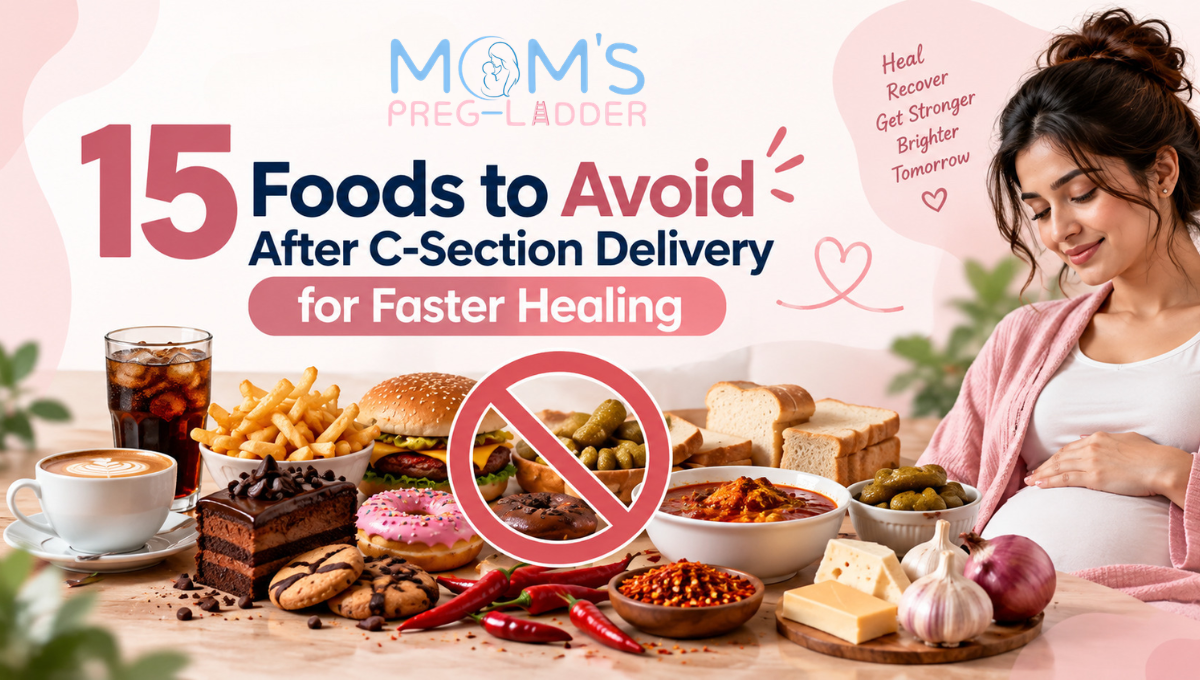
15 Foods to Avoid After C-Section
1. Spicy Foods
Chilli, hot sauce, and heavily spiced curries can irritate a digestive system already moving slower than normal. Many new mothers experience heartburn or stomach upset after eating spicy foods in the first few weeks after surgery. Spice can also change the taste of breast milk, and some babies don’t latch on as well when that happens.
2. Carbonated Drinks
Fizzy drinks like soda release gas in your stomach AND INTESTINES. Trapped gas will push on a fresh incision and can be quite painful. Instead, have still water, herbal tea, or diluted juice.
3. Fried and Greasy Foods
Fried chicken, chips, and greasy takeaways take longer to digest. This extra work often causes bloating and constipation when your gut needs to be calm, not working extra hard.
4. Processed and Packaged Snacks
Chips, instant noodles, and other processed foods are generally low in nutrients and high in salt and additives that your healing body does not require. They fill you up, but they don’t give your tissues the protein, iron, and vitamins that help you recover.
5. High-Sodium Foods
Packaged soups, deli meats, and salty snacks make your body want to hold onto extra water. This water retention adds to the swelling many women experience after surgery and after birth.
6. Alcohol
Alcohol can slow wound healing and, over the long term, lower milk supply. If you’re breastfeeding, the CDC says moderate consumption, up to one standard drink a day, is not known to be harmful to a nursing infant, but not drinking is the safest choice, and waiting at least two hours per drink before nursing further reduces exposure.
7. Excess Caffeine
A cup of coffee is generally okay, but too much caffeine can pass into your breast milk and upset your baby’s sleep. It can also cause dehydration when your body needs extra fluid to heal and make milk.
8. High-Mercury Fish
Large, long-lived fish such as shark, swordfish, king mackerel, and tilefish contain high levels of methylmercury, which may adversely affect a developing infant’s nervous system. The FDA recommends that pregnant and breastfeeding women avoid these fish completely and instead opt for lower-mercury selections such as salmon, prawns, or light tuna.
9. Gas-Producing Vegetables (In Large Amounts)
Cabbage, cauliflower, broccoli, and beans are good foods but may cause dramatic bloating if consumed in large amounts in the first few weeks. You don’t have to eliminate them. Start with small amounts and see how your body reacts.
10. Legumes and Chickpeas (Right After Surgery)
Chickpeas, rajma, and other similar legumes are high in fibre and protein, but they ferment in the gut and lead to gas. Many hospitals advise you to work your way back into these a week or two after surgery, not in the first few days.”
11. Jackfruit
Jackfruit is believed by new mothers to cause acidity and upset stomachs. It is best to avoid for the first few weeks, especially if you are already having trouble with bloating or gas near the incision.
12. Cold Foods and Drinks
Some women may find that ice-cold drinks or chilled desserts slow digestion and may cause stomach discomfort right after surgery. The first couple of weeks are usually better tolerated with warm or room-temperature meals.
13. Refined Sugar and Sugary Treats
Cakes, candy, and sweetened drinks cause blood sugar levels to skyrocket and contain few nutrients that help healing. Regularly eating a lot of added sugar can also impair immune function when you want your body to be good at fighting infection.
14. Fermented and Pickled Foods
Things like pickles, fermented soy, and the like can cause extra gas in a digestive system that’s still finding its footing after surgery. Hang on to them for later, when your bowel movements are back to normal.
15. Raw or Undercooked Foods
Undercooked eggs, raw sprouts, and unpasteurised dairy are higher-risk foods for foodborne illness. Your immune system needs all its strength to heal wounds, not fight off a stomach bug, so for now, stick to fully cooked meals.
What to Eat Instead
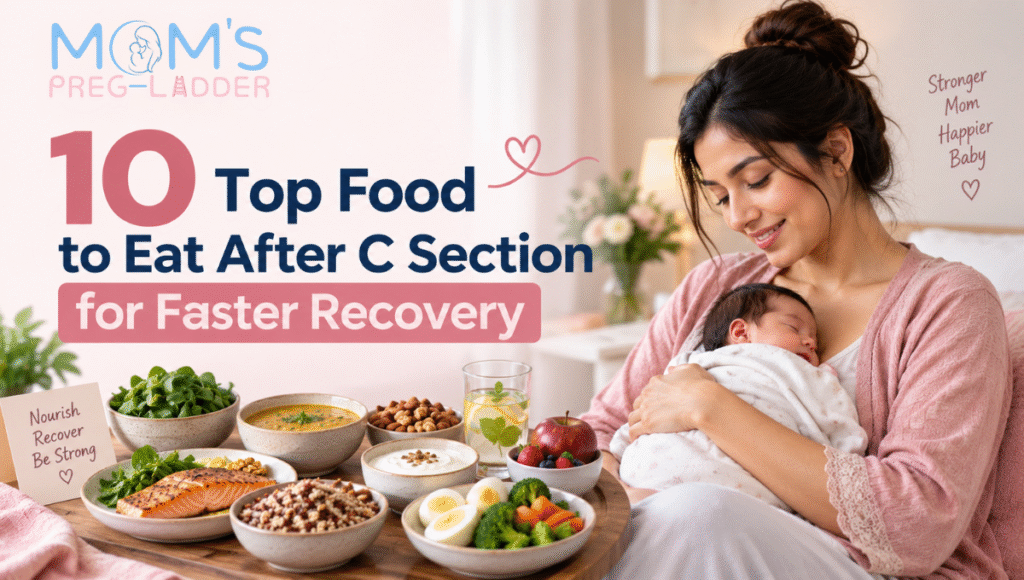
It’s not just about avoiding certain foods. “Putting good stuff in that hole, it heals faster and helps you make milk if you’re nursing.
- Protein: Eggs, lean meat, low-mercury fish, lentils, and dairy all help rebuild tissue.
- Fibre: Whole grains, fruits and cooked vegetables help digestion and relieve constipation.
- IRON: Spinach, lean red meat and dried fruit help to replace blood lost in delivery.
- Fluids: Water, soup and milk help with digestion, energy and supplying milk.
- Calcium: dairy, leafy greens and tofu for bone health and lactation.
- Here’s a simple rule: choose foods near their natural state, cooked simply, and easy on the stomach for the first couple of weeks.
Water should be mentioned here. Good hydration helps keep the stool soft and helps reduce the constipation that often accompanies pain medication and reduced movement after surgery. It also helps with milk supply if you are breastfeeding and must have baby products after pregnancy.. Try to drink water throughout the day rather than in large amounts at once, and keep a bottle handy when you are feeding your baby, as that is often when new mothers forget to drink.
A Sample Day of Easy-to-Digest Eating
- Breakfast: muesli with banana, 1 boiled egg
- Mid-morning: Small portion of yoghurt or piece of fruit
- Lunch: khichdi or rice with dal and steamed vegetables
- Afternoon: a few nuts and a glass of milk
- Dinner: Soup, vegetables (boiled soft), chicken or fish grilled
This kind of meal pattern gives your body a steady supply of protein and fibre without overloading a digestive system that is still playing catch-up after surgery.
When to Talk to Your Doctor About Diet
Most women find their digestion settles down within a few weeks, and they can return to a normal diet and learn how to remove belly fat after pregnancy. But if you notice, check in with your doctor or a lactation specialist if you see:
- Constipation despite adding more fibre and drinking water
- Persistent bloating, gas that doesn’t ease
- Signs your baby is upset or gassy after certain foods you are eating
- Any known food intolerance or condition that requires a personalised plan, e.g., gestational diabetes
How Mom’s Preg Ladder Can Help
Post-caesarean nutrition isn’t one size fits all, and it tends to tie in with other aspects of recovery such as sleep, feeding and physical strength. Mom’s Preg Ladder offers breastfeeding support and newborn care classes to address some of the practical feeding and diet questions many new mothers have. Mom’s Preg Ladder also offers one-on-one consultations where a certified educator can help you plan meals and rebuild strength at your own pace if you’re looking for guidance tailored to your specific recovery.
Next Steps
After a C-section, getting your diet right isn’t about eating austerely. It’s about taking some of the load off your body as it recovers. For the first few weeks, cut down on foods that give you gas, bloating, or extra strain; stick to simple, protein-rich meals; and relax the rules once your doctor says it’s OK. If you want more hands-on help with recovery and feeding, Mom’s Preg Ladder has postpartum programmes to take new mums through this stage.
FAQs About Foods to Avoid After C-Section
How long should I avoid spicy food after a C-section?
Most doctors recommend waiting until your digestion settles down (2-3 weeks sometimes) before you start with spicy food again. If you are nursing, start with small amounts and watch how your stomach and your baby react.
Can I drink coffee after a C-section?
Moderate caffeine is fine, about one or two cups a day. Too much can interfere with your baby’s sleep and make dehydration worse during your recovery if you’re breastfeeding.
Is it safe to eat chickpeas or beans after a caesarean?
They are nutritious, but they can make you gassy, so most doctors will tell you to wait a couple of weeks after surgery before you start eating them on a regular basis. Introduce them in small doses and see how you react.
What foods help a C-section wound heal faster?
Vitamin C from fruits and vegetables and foods high in protein, such as eggs, lentils, and lean meat, helps repair tissue. Staying well hydrated has a direct correlation with how well your wound heals.
Can I eat fish while breastfeeding after a C-section?
Yes, most fish is safe and provides the protein and omega-3 fats you need. Just avoid high-mercury types such as shark, swordfish, and king mackerel, and stick to 2 to 3 servings a week of lower-mercury options.