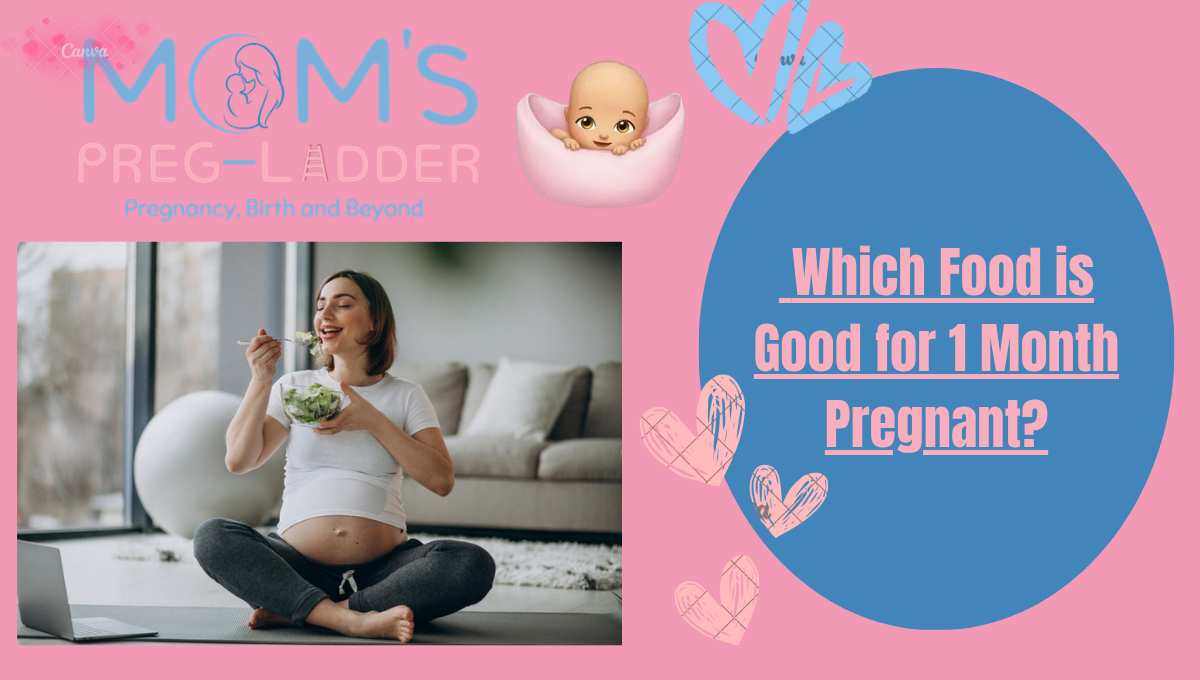
Finding out you’re pregnant after a month is a mix of joy, nerves, and a hundred new questions. One of the first is always about food. What to eat now? What to leave out? Your baby’s major organs start to develop during these early weeks, so the food for a 1-month pregnant you select during the first month of pregnancy does real work behind the scenes, even before your bump shows.
This guide reviews what to eat, what to limit, and how to put together a basic daily plate using foods you likely already have in your kitchen.
Why the First Month Matters So Much
Your baby is the size of a sesame seed at 1 month, but the neural tube that becomes the brain and spinal cord is already forming. This is exactly why folate is so crucial at this early stage. Folic acid helps with the growth and function of red blood cells and other cells and helps prevent major birth defects pregnancy yoga classes of the brain and spine called ‘neural tube defects’, according to the American College of Obstetricians and Gynaecologists. During pregnancy, you need 600 micrograms of folic acid every day, and it can be difficult to get this much from food alone. Therefore, a daily prenatal vitamin containing at least 400 micrograms of folic acid is recommended, starting at least one month before pregnancy and continuing throughout the first 12 weeks of pregnancy.
The practical significance is that most women don’t check pregnancy tests until the first month is already underway. So the sooner you get your diet sorted out, the better.
Best Food for 1 Month Pregnant: Nutrients to Prioritize
We are going to go through the nutrients one by one, so you know exactly what to put on your plate.
Folate-Rich Foods
Dark green leafy vegetables, citrus fruits, and dried beans, peas, and lentils are sources of natural folate. This translates into palak, methi, chaulai, moong dal, masoor dal, oranges, and mosambi in an Indian kitchen. Add these often, but don’t think of them as a replacement for your prenatal supplement. Here, food and supplements work together, not instead of one another.
Iron
Iron needs rise early in pregnancy, as your blood volume expands. Pregnant women require 27 mg of iron a day, nearly twice the amount required by non-pregnant women. Good sources are beans, lentils, fortified cereals, lean meat, and shrimp. Your body absorbs iron-rich food best watermelon good for patients when you eat it with a source of vitamin C, such as orange juice or tomatoes. Take, for example, rajma with a squeeze of lemon or spinach dal with a tomato salad.
Protein
Protein helps build new tissue for you and for your growing baby. Dal, paneer, eggs, curd, chicken, and fish all add up. If you are a vegetarian, pair dals with rice or roti so you get a fuller amino acid profile throughout the day.
Calcium and Vitamin D
Your baby’s bones begin to form early, and you need to protect your own bones, too. In the Indian diet, milk, curd, paneer, ragi, and sesame seeds (til) are a reliable source of calcium. When possible, get some early morning sun, as sunlight helps your body produce vitamin D.
Choline and Omega-3s
Choline is important for foetal brain development and may help prevent some birth defects. Experts recommend 450 mg a day during pregnancy. It is found in eggs, milk, chicken, beef, soy products, and peanuts. Fish, flaxseed, walnuts, and even spinach and kidney beans all contribute to your omega-3s.
Indian Foods That Fit Naturally Into a 1-Month Pregnant Diet
You don’t need to import superfoods to eat well. Your regular thali, tweaked a bit, does the trick.
- Dals and legumes: moong, masoor, chana, and rajma for protein, iron, and folate
- Leafy greens: palak, methi, chaulai, well-cooked and eaten warm
- Whole grains: ragi, bajra, whole wheat roti, and brown rice for fibre and sustained energy.
- Dairy: Milk, curd, and paneer (calcium and protein)
- Fruits: oranges, guava, pomegranate, banana, and apple for vitamin C, folate, and fiber
- Nuts and seeds: almonds, walnuts, soaked dates in small quantities for healthy fats and iron
- Lemon & ginger water: an early, natural, gentle relief for morning sickness
Aim for variety over the week rather than perfection each day. Nobody eats a perfect diet, and that’s fine.
Foods and Habits to Limit or Avoid
This part gets a lot of attention, sometimes more than it deserves, but a few precautions do really matter in the first month.
- Raw or unripe papaya: Raw papaya contains an enzyme called papain, which may cause uterine contractions and pregnant women eat pizza . So it is better to avoid it, especially during the first trimester. A ripe papaya that is all yellow and not green patches is usually fine in moderation.
- Unpasteurised milk and paneer: These could carry harmful bacteria. Only drink boiled or packaged dairy products.
- Raw or undercooked eggs and meat: Avoid homemade mayonnaise, runny omelettes, and rare meat to minimise infection risk.
- High-mercury fish: Don’t eat shark, swordfish, and king mackerel. Small fish like rohu, pomfret, and sardines are safer options when consumed in moderation.
- Caffeine overload: Don’t consume more than 200 mg of caffeine a day (that’s about one or two regular cups of chai or coffee).
- Alcohol: No amount of alcohol is safe during pregnancy, so it’s best to skip it altogether.
- Street food and raw sprouts both have a higher risk of bacterial contamination, something to avoid as your baby’s organs are developing.
- Quick note on old beliefs: Not all of the food myths passed down at home are true. Grapes are normally safe and healthy during pregnancy, and the belief that they lead to extra body heat is more cultural than scientific. If you are not sure about a particular food, it is better to ask your doctor than to guess.
A Simple Sample Day for Week One of Pregnancy
Here’s a plain, realistic day to get you started.
- Morning: Warm water with lemon, soaked almonds, vegetable poha or upma
- Mid-morning: A fresh orange or a small bowl of pomegranate.
- Lunch: Roti, moong dal, palak sabzi, curd, and a small salad of tomato
- Evening: Herbal tea with roasted chana or a handful of walnuts.
- Dinner: Khichdi with ghee or grilled fish with stir-fried vegetables
- Before bed: Warm milk with a pinch of turmeric
And adjust the quantities and the time to your taste and any queasiness. In the first trimester, it’s usually better to eat small, frequent meals rather than three large ones.
When to Get Extra Support
Pregnancy nutrition is not one-size-fits-all. Your needs will vary depending on your weight, medical history, appetite, and whether you are experiencing morning sickness. Mom’s Preg Ladder’s early pregnancy classes are for anyone looking for structured guidance during this stage, with nutritional guidance and information on what to expect physically and emotionally in the first trimester. A one-to-one consultation can also help if you want a plan catered to your specific routine, taste preferences, and any health conditions. Mom’s Preg Ladder works with expectant moms through these early weeks, so you’re not left piecing together advice from random sources.
A Final Word
It takes a lot out of your body in the first month of pregnancy before you can see anything different. A combination of dal, greens, fruit, dairy, and whole grains will fulfil most of what you and your baby need at this time. Add that to your recommended prenatal vitamin, avoid the handful of foods that are a real danger, and ask your doctor when in doubt. Small, consistent decisions in these first weeks lead to a solid launch for the months to come.
FAQs
1. What is the best food for 1 month pregnant women to eat daily?
Incorporate calcium and protein-rich foods such as leafy greens, citrus fruits, dal, milk, and eggs. This is best taken with your prenatal vitamin, and you should not rely on diet alone for folic acid.
2. Can I eat papaya in the first month of pregnancy?
Do not take papaya when it is raw or semi-ripe, as it can induce uterine contractions. Small amounts of fully ripe papaya are generally safe, but check with your doctor if you are not sure.
3. How much folic acid do I need at 1 month of pregnancy?
Most guidelines say that pregnant women should get 600 micrograms of folic acid per day, with at least 400 micrograms coming from a prenatal vitamin, since diet rarely provides the full amount. Continue using both food sources and the supplement to ensure you get enough.
4. Is it safe to drink tea or coffee in early pregnancy?
Yes, in small quantities. Keep total caffeine under 200 mg a day, about one to two regular cups, as higher intake has been linked to a higher miscarriage risk.
5. What Indian foods should I avoid completely during the first month?
Avoid raw papaya, unpasteurised dairy, raw eggs, alcohol, and fish with high mercury levels. Because of hygiene considerations, street food should be avoided at this sensitive time.