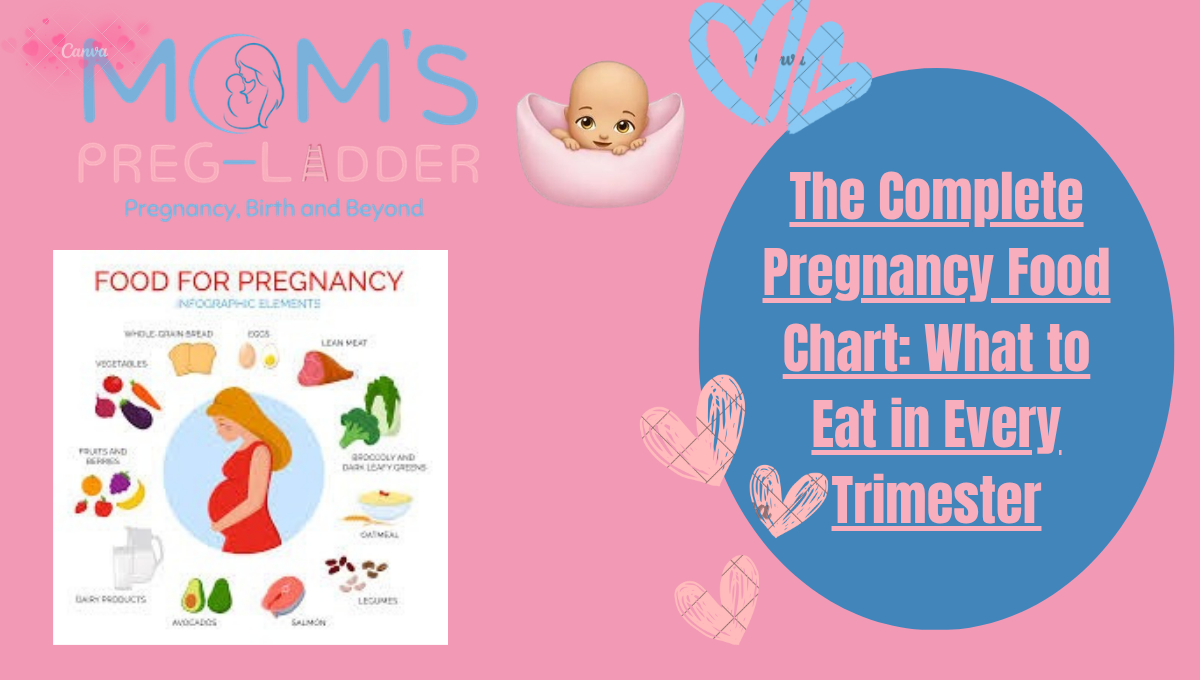
Pregnancy alters your body’s use of food. The nutrition you eat doesn’t just keep you going; it directly affects your baby’s developing brain, bones, and organs. Trimester by trimester, getting it right makes a real difference.
This complete pregnancy food chart tells you exactly what, how much, and why, based on recommendations from the American College of Obstetricians and Gynecologists (ACOG), the U.S. Centers for Disease Control and Prevention (CDC), and the National Institutes of Health (NIH).
Why a Trimester-by-Trimester Approach Matters
Every few weeks, your baby’s needs change. A one-size-fits-all diet overlooks those shifts. Let’s do the math.
- First trimester (Weeks 1–12): Formation of the neural tube (brain and spine). You should take folic acid.
- Second trimester (Weeks 13-26). Bones and muscles develop quickly. Higher calcium and protein needs.
- In the third trimester (weeks 27 to 40), brain growth is rapid. Iron and DHA (omega-3) are huge priorities.
First Trimester Pregnancy Diet: Weeks 1–12
How Many Calories Do You Need?
Less than you think, probably. Most women pregnancy yoga classes with a single baby don’t need any extra calories in the first trimester, according to ACOG. It’s not the amount. It’s the quality.
Nausea is common this trimester. Frequent small meals are good. Keep simple, nutrient-dense foods on hand.
Top Nutrients in the First Trimester
Folic Acid (Folate)
Less than you think, probably. Most women with a single baby don’t need any extra calories in the first trimester, according to ACOG. It’s not the amount. It’s the quality.
Nausea is common this trimester. Frequent small meals are good. Keep simple, nutrient-dense foods on hand.
The key nutrients in the first trimester are folic acid (folate). This is the most important nutrient during early pregnancy. The CDC recommends that all women who are pregnant or trying to get pregnant take 400 micrograms (mcg) of folic acid daily. Here’s the deal: The neural tube forms and closes in weeks 3 to 4, often before many women even realize they’re pregnant. At this stage, adequate folate can prevent neural tube defects like spina bifida and anencephaly by 50% or more.
Sources of good food are the following:
- Dark leafy greens (spinach, kale)
- Black beans and lentils
- Fortified cereals and bread
- Asparagus (
- Broccoli (more information)
Most doctors also recommend a prenatal supplement, as it’s rare to hit the 400–800 mcg target through food alone.
Iron
During pregnancy, the blood volume increases dramatically. Your body needs iron to make extra hemoglobin and lemon ginger tea and benefits. ACOG recommends that pregnant women take 27 mg of iron daily. Start forming iron-rich habits today.
Good sources:
- Lean red meat, fully cooked
- Tofu
- Lentils, cooked
- Spinach
- Enriched breakfast cereals
Eat iron-rich foods with vitamin C (orange juice and tomatoes) to help absorption.
B6 vitamin
This nutrient helps with protein metabolism and may help with morning sickness. ‘It’s in bananas, potatoes, chickpeas, and chicken breast.
First Trimester Food Chart (Quick Reference)
| Food Group | What to Eat | Servings Per Day |
| Leafy greens | Spinach, kale, romaine | 2–3 cups |
| Legumes | Lentils, black beans, chickpeas | 1 cup cooked |
| Whole grains | Oats, brown rice, fortified cereals | 3–4 servings |
| Lean protein | Cooked eggs, chicken, tofu | 2–3 servings |
| Dairy or fortified alternative | Milk, yogurt, paneer | 3 servings |
| Fruit | Oranges, berries, bananas | 2–3 pieces |
Second Trimester Pregnancy Diet: Weeks 13–26
How Many Calories Do You Need?
ACOG says you need 340 more calories a day in the second trimester. That’s like a glass of milk plus half a sandwich and is it ok to sit in malsana during pregnancy. Make those extra calories count.
Top Nutrients in the Second Trimester
Calcium
As babies’ bones and teeth harden, aim for 1,000 mg of calcium daily, says ACOG. Some research links calcium supplements with less preeclampsia risk.
Good resources:
- Yogurt and dairy milk
- Fortified plant-based milk (soya, almond)
- Cheese and Hard Cheese Paneer
- Bone-In Sardines
- Sesame seeds (til)
Protein
Protein is the building block for a baby’s muscles, enzymes, and antibodies. Target 70–100 grams per day in the second and third trimesters.
Good sources are:
- Eggs (cooked thoroughly)
- Chicken and turkey
- Greek-yogurt
- Chickpeas and Lentils
- Paneer (cottage cheese)
Vitamin D
The National Academies recommend pregnant women get 600 IU of vitamin D a day. It works with calcium for bone formation and immune function. Most women are deficient and need to supplement. Get your levels checked by your doctor.
Good sources:
Milk with added nutrients
Egg yolks
Fatty fish such as salmon
Sun exposure
Magnesium
Magnesium benefits bone development and can help regulate blood sugar. It also helps with leg cramps, which are common in the second trimester. Good sources are nuts, seeds, whole grains, and dark chocolate (in moderation).
Second Trimester Food Chart (Quick Reference)
| Food Group | What to Eat | Daily Target |
| Dairy or fortified milk | Yogurt, paneer, milk | 3–4 servings |
| Lean protein | Eggs, fish, chicken, dal | 3 servings |
| Calcium-rich vegetables | Broccoli, kale, sesame | 2 cups |
| Whole grains | Roti, oats, brown rice | 4–5 servings |
| Healthy fats | Walnuts, flaxseed, avocado | 1–2 servings |
| Fruit | Papaya (ripe), mango, berries | 2–3 pieces |
Third Trimester Pregnancy Diet: Weeks 27–40
How Many Calories Do You Need?
The ACOG says you need about 450 extra calories a day in the third trimester. Now the baby is getting bigger fast, gaining weight and brain tissue. Your food needs to be as fast as that.
Top Nutrients in the Third Trimester
Iron (again, and more of it)
The third trimester is when you have the most blood volume. This is the highest risk of iron-deficiency anemia. 3. Eat iron-rich foods with every meal and take iron supplements as suggested by your doctor.
DHA (Omega-3 Fatty Acid)
During the third trimester, DHA is preferentially deposited in fetal brain tissue. ACOG says 200 mg of DHA daily. Another 2024 clinical practice guideline from several international health organizations found that adequate intake of omega-3s may decrease the risk of preterm birth.
Decent sources:
- Cooked Salmon Sardines
- Walnut
- Flax seeds, Chia seeds
- DHA-enriched eggs
Fiber
Constipation is very common in the third trimester as a result of the effect of progesterone on digestion and the growing uterus pressing on the intestines.
Eat lots of:
- Whole grains
- Legumes
- Vegetables
- Fruits with skin (apple, pear)
Drink a minimum of 8-10 glasses of water a day.
Vitamin K
This nutrient helps your blood clot and that of newborn babies. It’s found in dark leafy greens, Brussels sprouts, and fermented soy products.
Third Trimester Food Chart (Quick Reference)
| Food Group | What to Eat | Daily Target |
| Iron-rich foods | Lean meat, lentils, spinach | 3 servings |
| DHA-rich foods | Salmon, walnuts, flaxseed | 1–2 servings |
| High-fiber carbs | Oats, whole wheat roti, dal | 4–5 servings |
| Dairy | Milk, curd, paneer | 3 servings |
| Vitamin C foods | Amla, oranges, bell peppers | 2 servings |
| Water | Plain water, coconut water, soups | 8–10 glasses |
Foods to Avoid During Pregnancy
Knowing what not to eat is as important as knowing what to eat.
Fish mercury levels. The U.S. Food and Drug Administration (FDA) includes king mackerel, shark, swordfish, tilefish, orange roughy, marlin, and bigeye tuna as high-mercury fish to avoid entirely during pregnancy. Mercury can cause developmental delays and brain damage to the baby.
Safe fish choices are salmon, sardines, catfish, cod, and light canned tuna (limited to 12 ounces per week).
Raw or lightly cooked meat, fish, and eggs. Raw foods may contain Listeria, Salmonella, Toxoplasma, and E. coli. These bacteria pass through the placenta and can endanger the life of the baby. Cook all meat to the proper internal temperature. Avoid sushi with raw fish, runny eggs, and rare steak.
Unpasteurized dairy and deli meats, cold cuts, hot dogs, and pâté can harbor Listeria even when refrigerated. If you have to eat them, heat them until very hot. Soft cheeses made from unpasteurized milk (some brie, camembert, and blue cheeses) are also at risk for Listeria. Choose hard cheeses or pasteurized cheeses.
Alcohol: There is no safe level of alcohol consumption in pregnancy. Just ignore it.
Caffeine: Limit your caffeine to less than 200 mg a day, about the amount in one cup of coffee. Too much caffeine has been linked to low birth weight.
Raw Sprouts: The FDA recommends that pregnant women avoid eating raw sprouts (moong, alfalfa, and radish) due to possible bacterial contamination. Cooked sprouts are OK.
Sample One-Day Pregnancy Meal Plan (Second Trimester)
Here’s a sample day that covers the major nutrient bases without making eating feel like a chore.
Breakfast
- Oatmeal with whole milk, topped with walnuts and sliced banana.
- One large hard-boiled egg
- One glass of orange juice (the vitamin C)
Mid-Morning Snack
- A small bowl of curd (yogurt) with a sprinkle of flax seeds
- Handful of almonds
Lunch
- Two rotis made with whole wheat
- Dal (pulses) with spinach added, Sabzi of your choice with paneer or tofu
- A glass of sour milk;
Afternoon Snack Time
- Fresh fruit (mango, apple, or pear skin on)
- a small handful of pumpkin seeds.
Dinner.
- Whole wheat roti or Brown rice
- Salmon or sardines, baked or grilled.
- Carrots and broccoli sautéed
- A hot bowl of soup
Before bed (if hungry)
- A cup of warm milk
Prenatal Supplements: Do You Still Need Them?
So yes. Even with a well-planned diet, some nutrients are hard to get through food alone. ACOG and the Academy of Nutrition and Dietetics both recommend taking a prenatal supplement daily during pregnancy. This is also stated in the 2020-2025 Dietary Guidelines for Americans.
Mom’s Preg-Ladder features nutritional counseling in its early pregnancy courses and one-on-one consultations, where certified educators help mothers create eating plans based on their health history, any deficiencies, and trimester-specific needs.
Pregnancy Nutrition for Indian Mothers: Local Foods That Work
Many traditional Indian foods are good for pregnancy. A complete overhaul of your diet isn’t necessary.
- Dals and legumes: Good source of folate, iron, and protein
- Paneer: High in calcium and protein
- Til (sesame seeds): Rich in calcium and iron
- Amla (Indian gooseberry): A top source of vitamin C, which assists in iron absorption
- Ragi (Finger millet): A good source of calcium, much higher than most grains
- Ghee (in moderation) contains fat-soluble vitamins A, D, E, and K
- Coconut water: Natural electrolytes help with hydration in the third trimester
The complete pregnancy food chart is equally effective for an Indian diet. The principles remain the same: meet your folate, iron, calcium, DHA, and protein needs at each stage.
5 Frequently Asked Questions
1. What is the most important food to eat in the first trimester?
In the first trimester, the list is topped by folate-rich foods. Foods such as lentils, spinach, asparagus, and fortified cereals contain folate, which protects the developing neural tube of the baby. The CDC recommends 400 mcg of folic acid daily before conception and through early pregnancy. Most doctors also suggest a prenatal supplement along with these foods, because diet alone is generally not sufficient.
2. How much extra food do I actually need during pregnancy?
Much less than the “eating for two” myth suggests. ACOG’s guidelines are clear: no extra calories in the first trimester, about 340 extra per day in the second trimester, and about 450 extra per day in the third trimester. Think of it as one small, nutritious extra snack, not a second full meal.
3. Can I eat fish during pregnancy?
Somewhat, yes. The FDA recommends that pregnant women eat 2 to 3 servings (8 to 12 ounces) of low-mercury fish each week. Good choices include salmon, sardines, cod, catfish, and light canned tuna. Avoid fish with higher levels of mercury, such as shark, swordfish, king mackerel, or bigeye tuna. Fish provides DHA and protein directly useful for the development of the fetal brain.
4. Do I need to take a prenatal vitamin if I eat well?
Yes. ACOG and the Academy of Nutrition and Dietetics both recommend a daily prenatal vitamin during pregnancy. Some nutrients are difficult to obtain in sufficient amounts from food alone, notably folic acid, iron, iodine, and vitamin D. A prenatal supplement fills in those gaps without taking the place of a nutritious diet.
5. Are there Indian foods I should avoid during pregnancy?
A few particular ones. Avoid raw papaya (especially green, unripe papaya) as it contains latex, which may cause contractions. Raw sprouts may be contaminated with bacteria. Boil and consume unpasteurized paneer or dairy products from local vendors. Avoid street food with raw chutneys or undercooked meat. Home-cooked Indian food is safe and nutritious when cooked well.