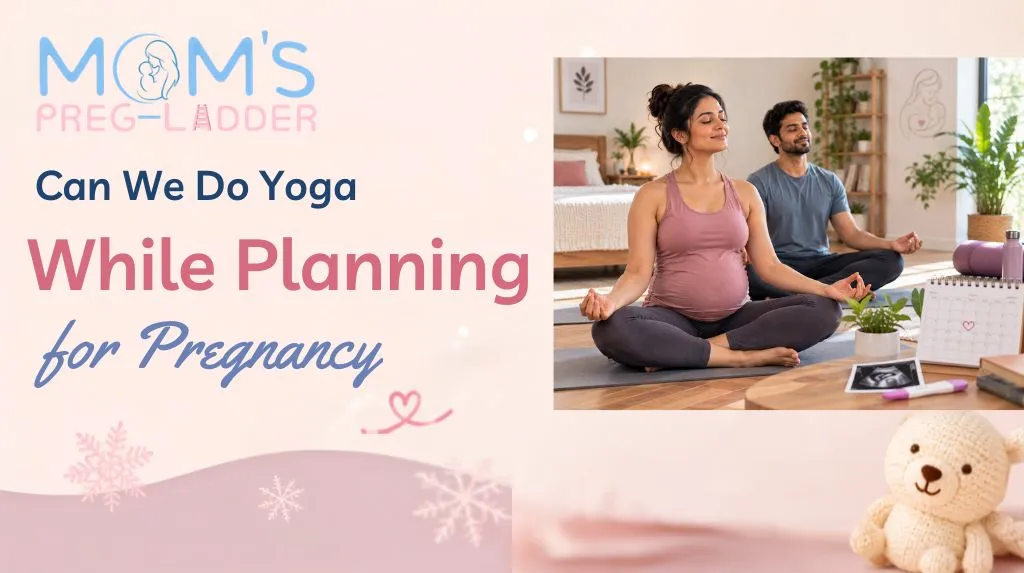
If you are trying to get pregnant, you have probably noticed how much advice is flying your way, some of it helpful, some of it confusing, and some downright contradictory. One question that often comes up during our sessions at Mom’s Preg Ladder is, is it worth starting yoga even before pregnancy actually takes place? The answer is a short ‘yes’. Yoga in pregnancy planning is not only safe, but it can actually support your body and mind as you try to conceive.
So why is yoga so natural to this stage, and how do you use it sensibly in your plan for a baby?
Why Consider Yoga Before You Even Conceive?
Most people associate yoga in pregnancy with starting when the pregnancy test turns positive. But the truth is, your body enjoys the benefits of preparation long before that. Fertility yoga is also called pre-conception yoga classes. It improves the blood flow to the reproductive organs, eases stress, and builds the kind of body awareness that will take you easily into pregnancy when it happens.
Stress can have a greater effect on fertility than most people realise. One survey of fertility research notes that emotional stress increases cortisol levels, which can interfere with the endocrine system responsible for ovulation, sometimes resulting in irregular or premature secretion of luteinising hormone. To summarise, constant stress on your body can make it hard for your body to keep your reproductive hormones under control.
That is the role of yoga.” Breathing exercises and gentle movement have a direct effect on the nervous system. Breathing exercises activate the parasympathetic nervous system, shifting the body from fight-or-flight mode to a calmer, rest-and-digest state that’s more conducive to conception,” explains one fertility resource.
Is It Safe to Practise Yoga While Trying to Conceive?
Yes, gentle and moderate yoga are generally considered appropriate while planning for pregnancy. This is not the same as prenatal yoga, which is designed for after conception, but there is a lot of overlap. During the pre-conception phase, the focus should remain on:
- Hip and pelvic opening poses to support flexibility and overall circulation
- Restorative yoga and breathing techniques that can help manage stress
- Light strength training to prepare your body for the physical demands of pregnancy
- Maintaining a balanced, nutritious diet and healthy lifestyle as part of your pre-conception tips
- Getting adequate sleep and avoiding excessive physical or emotional stress
- Research also suggests that excessive exercise combined with significant caloric restriction can interfere with the hormones needed for regular ovulation, so it is best to avoid overly strenuous workouts.
Throughout this phase, the key word is moderation. This is not the time to push yourself through heavy workouts or extreme fitness routines. Instead, focus on building a healthy foundation for pregnancy through balanced exercise, nutrition, rest, and other practical pre-conception tips or power yoga sessions that will leave you totally wiped out. Gentle movement in balance is better for your hormones than pushing your body hard.
How Yoga in Pregnancy Planning Actually Helps
1. Lowers Stress and Cortisol
This is the biggest and most studied benefit. Elevated cortisol competes with the hormones your body needs to conceive. Chronic stress means elevated cortisol. It’s been shown that a regular practice of yoga, even as little as 10 to 15 minutes a day, can help to lower cortisol and support a calmer hormonal environment.
2. Improves Blood Flow to Reproductive Organs
Hip-opening poses such as butterfly pose and gentle twists increase circulation around the pelvis. It can improve blood flow and improve the long-term health of the ovaries and uterus.
3. Builds Body Awareness
The process of having to plan fertility can make many women feel disconnected from their bodies, particularly when it’s taking longer than expected. Yoga can help restore that connection through mindful movement and breath and can make the whole process feel less overwhelming.
4. Prepares You for What’s Ahead
Gentle yoga before pregnancy means your body is already somewhat acquainted with the poses, breathing patterns, and relaxation techniques you’ll be relying on once you are pregnant. It’s a much better transition than starting from scratch in the first trimester.
5. Supports Emotional Wellbeing
Trying for a baby can be an emotional rollercoaster – especially if it’s taken a few months longer than you were expecting. Yoga gives you a quiet, private space to work through stress through the emphasis on breath and mindfulness, instead of keeping it inside you.
Poses Worth Including While Planning for Pregnancy
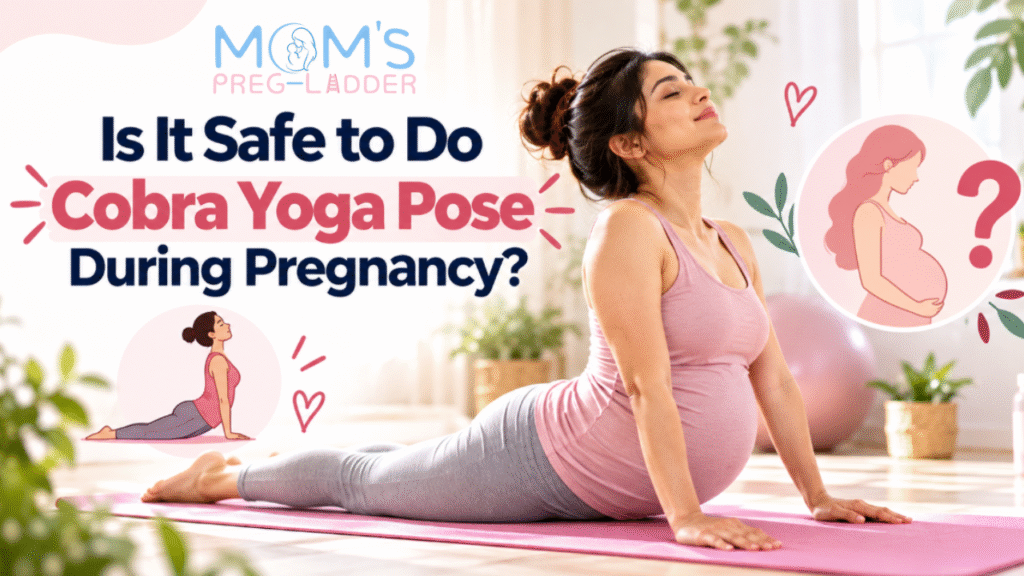
- Baddha Konasana (Butterfly Pose) opens the hips and increases circulation in the pelvis.
- Cat-Cow Stretch: Keeps the spine mobile and releases general tension.
- Legs-Up-the-Wall Pose: A restorative pose to calm the nervous system and help you relax.
- Supported Bound Angle Pose – A gentler, reclined version of Butterfly for deep relaxation.
- Gentle Seated Twists: Promote digestion and circulation without stressing the core.
- Pranayama (breathing practices): Slow, mindful breathing to concentrate the mind and lower stress hormones.
Take it easy, breathe into each pose for a few breaths, and don’t do anything that feels like a strain rather than a stretch.
What to Avoid While Trying to Conceive
- Unsupervised deep, intense backbends or inversions
- gruelling cardio sessions or high-intensity interval training
- Hot yoga, as it’s best to avoid overheating, even before pregnancy
- Any position that causes pain, dizziness, or extreme tiredness
If you have a specific fertility condition such as PCOS, endometriosis, or a hormonal imbalance, it would be worth practising with a teacher who is aware of fertility-focused yoga rather than following a random online video.
When Should You Start?
The ideal time frame varies from woman to woman, but many women find it helpful to start three to six months before they are actively trying to conceive. This gives your body time to settle into a calmer rhythm and allows the stress-reducing benefits of yoga to build gradually, rather than starting under pressure once the trying-to-conceive phase has already begun. Early pregnancy classes can also be helpful during this transition, providing guidance on gentle exercise, breathing techniques, nutrition, lifestyle changes, and what to expect as you move from pre-conception into early pregnancy.
How Mom’s Preg Ladder Supports Your Pre-Conception Journey
Pregnancy planning isn’t only about diet and ovulation tracking. It also has to do with your body, your mind, and even your stress levels. Our Fertility Yoga Classes and Pre-Conception Classes at Mom’s Preg Ladder are tailored for this phase, blending gentle, fertility-enhancing yoga with breathing techniques, nutritional advice, and emotional support to prepare you to take the next step with confidence.
If you and your partner are seeking a more holistic strategy, Mom’s Preg Ladder provides a well-rounded Conscious Conception Program that includes regular yoga classes, expert nutrition consultations, and a fertility readiness assessment and is all guided by our certified team led by Mrs Swapnil Kaushik.
Final Thoughts
Pregnancy yoga planning is a gentle, evidence-based approach to preparing your body and mind before conception happens. It’s not going to replace medical advice if you’re dealing with specific fertility challenges, but as a daily practice, it can lower stress, improve circulation, and help you feel more grounded through a journey that often comes with a fair amount of uncertainty. Take it slow at first, keep going, and let your practice evolve as you plan for a baby.
Frequently Asked Questions
1. Can yoga actually improve my chances of getting pregnant?
Yoga isn’t a guaranteed way to get pregnant, but it can indirectly boost fertility by decreasing stress hormones and increasing blood flow to the reproductive organs. It is most effective when used alongside medical advice, not as a substitute.
2. Is it safe to do yoga every day while trying to conceive?
Gentle daily practice is usually safe and often more beneficial than occasional intense sessions. Do not make it too intense, and focus on breathing and opening the hips rather than a hard workout.
3. Should I stop regular yoga once I get pregnant?
No, but you should move to prenatal-specific modifications once pregnancy is confirmed. Guided prenatal classes are better than continuing a pre-pregnancy routine unchanged, since some poses will need to be changed for safety.
4. Can yoga help with stress related to fertility struggles?
Yes, this is one of its most studied benefits. Consistent practice can help to reduce cortisol levels, support emotional balance, and help to make the waiting and uncertainty of trying to conceive more manageable.
5. Do I need prior yoga experience to start fertility yoga?
Absolutely not. Fertility yoga classes are often beginner-friendly, with gentle poses and guided breathing appropriate for a new student, regardless of prior yoga experience.