If you do yoga, or have ever taken a prenatal fitness class, you’ve likely seen Malasana. Malasana is the deep squat pose also known as Garland Pose. It appears easy. You squat down into a wide stance, press your hands together at your chest, and lean your elbows onto the inside of your knees. But many mamas wonder… is Malasana safe during pregnancy? Is it worth adding to your prenatal practice?
Here’s the short answer: yes, squatting in Malasana during pregnancy is safe and beneficial for most women. Especially during the 2nd trimester and beyond. Let’s break it down.
What Is Malasana?
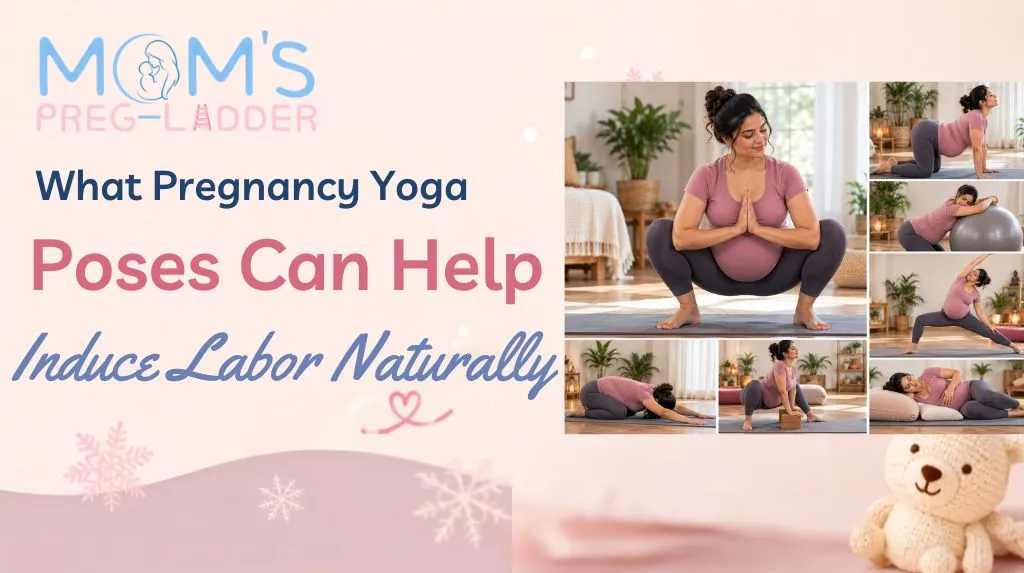
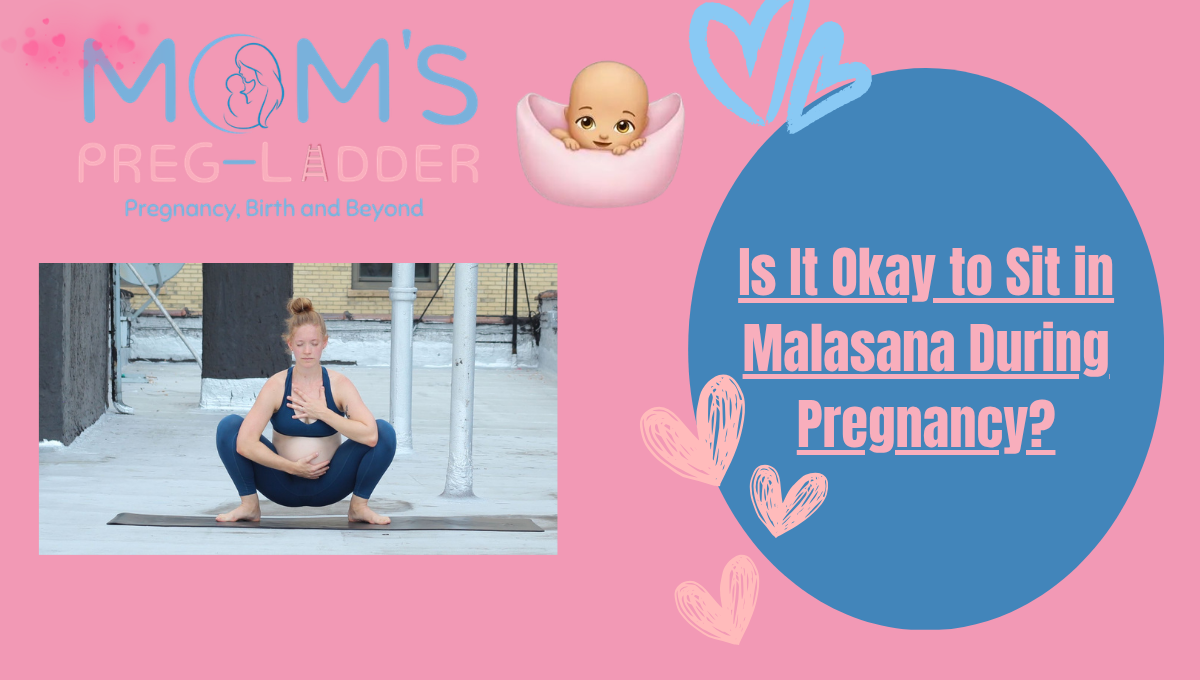
Malasana starts in a low squat with the feet wider than hip distance and toes turned out. The hips lower toward the ground as the knees bend over the toes and the spine elongates. Hands press together at the heart with elbows resting against the pregnancy yoga classes insides of the knees to help deepen into the squat.
Malasana is how many people in South and Southeast Asia sit when they relax and when they work. It’s possible to maintain this position from childhood all the way through adulthood. In contrast, many people who live in Western countries have become so accustomed to sitting in chairs that their hips lose mobility as adults. Sitting into malasana may feel foreign or awkward at first.
Malasana is one of the basic asanas taught in prenatal yoga as it so directly relates to labor and delivery.
Why Sitting in Malasana During Pregnancy Actually Matters
Let’s break it down with the science.
1. It Opens the Pelvis in a Measurable Way
Arguably the most clinically relevant benefit to squatting while pregnant is its influence on pelvic dimensions. Several published studies demonstrate that squatting measurably increases the size of the pelvic outlet.
This 2014 American Journal of Obstetrics & Gynecology study used MRI pelvimetry to compare pelvic dimensions of 50 pregnant women and 50 control non-pregnant women in supine and kneeling squat positions. The kneeling squat position resulted in a statistically significant 0.9 to 1.9 cm (7 to 15 percent) increase in transverse diameter of the mid-pelvic plane and pelvic outlet. Pelvic outlet bispinous diameter increased from 12.6 cm in the supine position to 14.5 cm in the squat position (P < 0.0001) among the pregnant participants.
The authors of this 2019 Journal of Biomechanics computational simulation concluded that squatting significantly increased all pelvic outlet diameters by 6.1 mm anteroposteriorly and 11.0 mm transversely during pregnancy, and that “these differences were clinically relevant.”
According to this 2022 Evolution, Medicine, & Public Health biomechanical analysis, squatting “widened the pelvic outlet by nearly 2.5 cm,” and likely even more late in pregnancy after hormonal changes further loosen sacro-iliac joint ligaments.
Translation: Increased pelvic outlet space accommodates fetal head descent during the second stage of labor. Squatting has been a universal birthing position for this reason throughout human history.
2. It Strengthens and Tones the Pelvic Floor
Pelvic floor muscles are the ones that support your uterus, bladder and bowel. As your baby grows your pelvic floor is under more and more pressure. When it’s strong and conditioned properly, it springs back quicker after childbirth.
Malasana when done with correct alignment works to both lengthen and activate your pelvic floor muscles. In fact, many certified prenatal yoga instructors refer to supported Malasana as one of the optimal poses for isolating pelvic floor activation as many of the “other” muscles don’t come into play.
The American College of Obstetricians and Gynecologists recommends that you exercise your pelvic floor muscles regularly during pregnancy for increased tone and support while giving birth.
3. It Relieves Lower Back Pain and Hip Tension
Low back pain is common for most pregnant women at some point during pregnancy, especially in their second and third trimesters. Belly expansion and weight gain push your center of gravity forward causing your hip flexors to tighten and your lumbar spine to overwork itself.
Malasana stretches the inner thighs, groin, hip flexors, and lower back all at once. It elongates the muscles around your sacrum and gently decompresses the lumbar spine without the need for any props. According to BabyMed’s collection of prenatal yoga poses, malasana ” Releases tension in your hips, lower back, and ankles with this supported pose.
4. It Supports Digestion and Reduces Constipation
Constipation is a top physical complaint during all three trimesters. Progesterone increases during pregnancy, which decreases gut motility. Malasana offers gentle compression in the lower abdomen while stimulating digestive movement. It helps release trapped gas and increases circulation to abdominal organs. Improved digestion is one reason our ancestors utilized this pose as a digestive remedy for centuries.
5. It Builds the Strength and Awareness Needed for Labor
An evidence review published in the European Journal of Midwifery concluded that upright positions during labor (including squatting) result in more powerful and effective uterine contractions, gravitational assistance with fetal descent, an increased pelvic outlet, lower incidence of labor dystocia, and spontaneous vaginal birth. Practicing Malasana regularly throughout pregnancy helps you learn how to breathe through discomfort, tune into your pelvic floor, and trust in your range of motion and is there any side effects of magnesium during pregnancy These benefits all translate directly to labor.
How to Sit in Malasana During Pregnancy: Trimester by Trimester
First Trimester
Malasana is typically safe during the first trimester if you’re having an uncomplicated pregnancy. Don’t hold it longer than 30 to 60 seconds, lean against a wall for support, and sit on a folded blanket if your heels don’t comfortably reach the floor. Stay healthy and fit during pregnancy As with any asana practice during pregnancy, make sure to get the go-ahead from your doctor, especially if you’ve had a history of miscarriage or are dealing with a high-risk pregnancy.
Second Trimester
This is often when Malasana feels easiest and most rewarding. Your belly is growing but may not be large enough to fully limit your range of motion in this pose. Set a yoga block or bolster under your seat if you aren’t able to fully lower your hips. Open your feet wider to give your belly more space. Practice ujjayi breath and pelvic floor engagement throughout the pose.
Third Trimester
Malasana is still safe to practice into your third trimester with a few modifications. Place two or three yoga blocks stacked under your seat so you are not quite squatting down to the floor. Sitting into the blocks instead of putting your full body weight into the deep squat will open your hips and pelvis while decreasing pressure on your knees and ankles. If your baby is breech consult your care provider before continuing this pose. Some care providers advise you avoid or modify this pose until you know your baby has moved head down.
Step-by-Step Guide: How to Practice Malasana Safely During Pregnancy
Here is a clear sequence to follow:
- Set up your space. Place a yoga mat near a wall. Keep a folded blanket and one or two yoga blocks within reach.
- Stand with feet wider than hip-width. Turn your toes outward at roughly 30 to 45 degrees.
- Inhale and lengthen your spine. Lift your chest before you begin to lower down.
- Exhale and bend your knees. Track your knees in the same direction as your toes as you slowly descend.
- Lower your hips. If your heels lift off the floor, slide the folded blanket under them. If your hips cannot drop fully, sit on a block or bolster.
- Press your palms together at your chest. Gently use your elbows to press against the inner knees and encourage wider hip opening.
- Breathe and hold. Stay for 30 seconds to 1 minute. Breathe slowly and deeply. With each exhale, allow the hips to soften a little further.
- Come out safely. Place your hands on the floor beside you for support. Straighten your legs slowly and rise with control. Use the wall if you need balance support.
Practice two to three times per day or as a regular part of your prenatal yoga sessions.
When to Avoid Malasana During Pregnancy
Malasana isn’t safe or comfortable for all pregnant women. Here are modifications or contraindications for practicing Malasana while pregnant:
Placenta previa: Squatting sends pressure down into the cervical os. Several prenatal yoga instructors I interviewed, as well as this clinical source, recommend against Malasana for women who have been diagnosed with placenta previa. Perform a supported wide-legged sitting pose with bent knees instead.
Third trimester breech presentation: Some yoga teachers caution against Malasana when your baby is breech late in pregnancy since it creates so much width in the hips. Check with your practitioner to be sure.
Symphysis pubis dysfunction (pain in front of the pelvis) or pelvic girdle pain (pain between legs): Come onto your hands and knees, and gently adjust the width of your knees until you don’t feel sharp pain. Move up onto a high support instead of squatting down. A pelvic health physical therapist can help you identify safe movements for you.
Injury to knees or ankles: Malasana requires deep bending in the knees and ankles joints. Modify generously with props, or skip the pose if you have an injury or issue with the joints.
High-risk pregnancies: Check with your doctor before doing any yoga postures.
How Malasana Fits Into Broader Pregnancy Preparation
Malasana is one piece of the puzzle. It’s most helpful when added to a regular trimester-specific movement practice that includes breathwork, pelvic floor training, and labor prep positions.
Mom’s Preg Ladder classes are designed around this exact philosophy. Classes follow the pregnancy timeline with a certified teacher who knows which asanas help open the body (and when), what modifications can be used to safely stabilize the pelvis during pregnancy yoga, and how developing breath awareness in these positions can help you manage labor. From prenatal yoga to labor management education & Garbh Sanskar classes, there’s tools for creating a birth foundation that focuses on BOTH your body and emotions.
We’re not here to achieve a pose. We’re here to walk into that hospital with the confidence that your body is prepared because you’ve moved your hips, trained your pelvic floor, AND practiced your birth day breathing.
FAQs About Sitting in Malasana During Pregnancy
Q1: From which trimester is it safe to start Malasana during pregnancy?
Malasana is generally safe to begin in the first trimester for women with uncomplicated pregnancies, but the second trimester is often the most practical starting point due to greater hip mobility and a lower risk of early pregnancy complications. Use props like yoga blocks and folded blankets for support, and always confirm with your obstetrician before starting any prenatal yoga practice.
Q2: Can Malasana help me have a normal vaginal delivery?
Research supports a clear connection. A 2014 MRI study found a 7 to 15 percent increase in mid-pelvic and pelvic outlet diameters in the squat position. Wider pelvic dimensions support fetal head descent during the second stage of labor. A review published in the European Journal of Midwifery also found that upright squat positions during labor correlate with stronger uterine contractions and more frequent spontaneous vaginal births.
Q3: How long should I hold Malasana during pregnancy?
Most prenatal yoga practitioners recommend 30 seconds to 1 minute per hold, two to three times a day. Do not push through sharp pain. If you feel discomfort in the knees, ankles, or pelvis, reduce the depth using props. A certified prenatal yoga instructor can assess your alignment and suggest adjustments suited to your specific trimester.
Q4: I have pelvic pain during pregnancy. Can I still practice Malasana?
It depends on the type and source of pelvic pain. For general pelvic heaviness or pressure, a supported, shallow Malasana with a high block under the seat is usually manageable. For symphysis pubis dysfunction or pelvic girdle pain, reduce the stance width and use generous support underneath. A physiotherapist with prenatal training can assess your specific situation and advise whether the pose is appropriate for you.
Q5: My baby is in a breech position at 36 weeks. Should I avoid Malasana?
This is worth discussing directly with your midwife or obstetrician. Some practitioners recommend modifying or pausing Malasana in the third trimester when the baby is breech, as the wide hip-open position may not encourage fetal turning. Others continue the pose with modifications. Get guidance tailored to your individual pregnancy and your baby’s current position before making any changes.