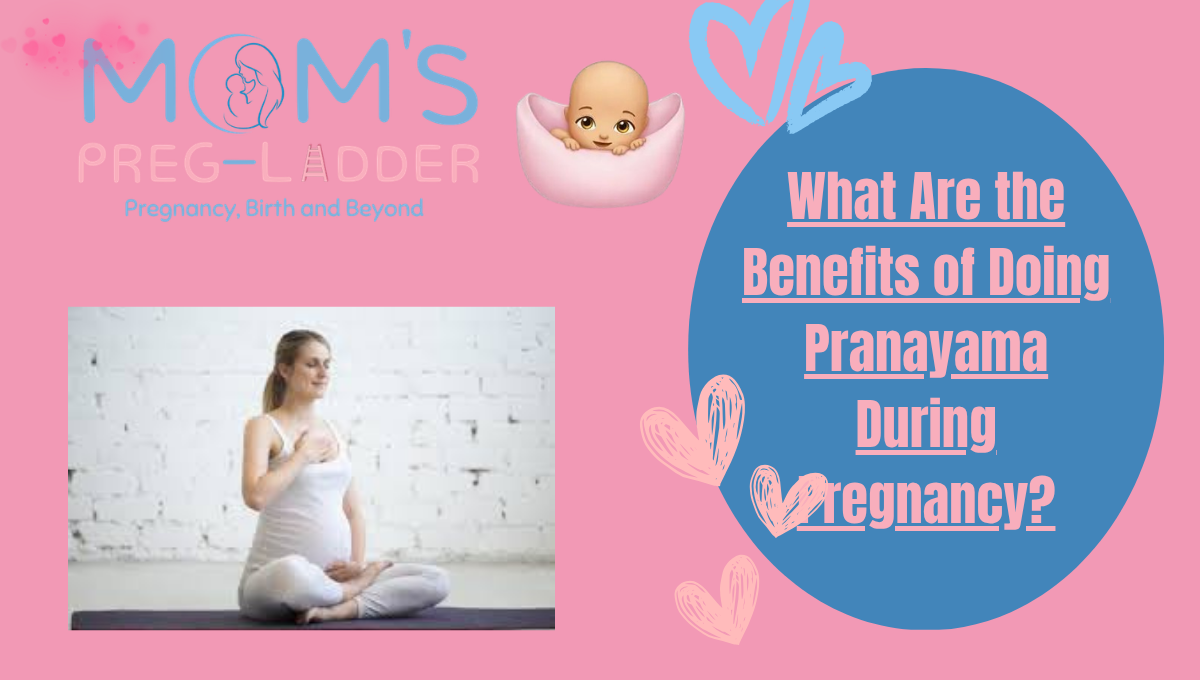
Breathing changes during pregnancy. Between an expanding uterus pushing up against your diaphragm and loads of emotional hormones crashing around in your body, most women will experience shortness of breath while performing even mundane tasks. Add to this the incredible physical work your body is doing just to maintain pregnancy, and you have a nervous system operating in a heightened stressed state for months on end.
Enter pranayama.
Of all the tools available to the expecting mama, pranayama ( yogic breathing practice) is one of the easiest and most scientifically backed things you can incorporate into your daily routine. It’s free, requires no equipment or special clothing, can be done anywhere and impacts the systems in your body most influenced by pregnancy.
Below I review the research behind how pranayama can benefit your pregnancy, which practices are safe to try and which you should avoid.
What Is Pranayama?
The term derives from the pregnancy yoga classes Sanskrit words prana meaning life force, or breath and ayama meaning expansion or regulation. Pranayama is a series of specific breathing techniques that control the flow of prana by regulating the length, depth and pattern of breathing.
In pregnancy, we aren’t pushing the envelope with the body; we’re teaching the nervous system to relax into a more regulated state, moving more oxygen in the blood, and developing the breath control you’ll use directly in labor.
Why Does Pranayama Matter Specifically During Pregnancy?
OK. Let’s look at it physiologically.
The uterus starts pushing against your organs around week nine. By your third trimester, your diaphragm may be pushed upward as much as 4 cm. This decreases the ability of your lungs to expand fully, causing shortness of breath. Two thirds of pregnant women experience breathlessness.
Your blood volume also increases by about 40 to 50 percent during pregnancy. (ACOG) Your heart and blood vessels are working overtime. Cortisol levels soar. You don’t sleep as well. The autonomic nervous system kicks into sympathetic (“fight or flight”) mode more frequently.
Pranayama corrects all of the above. Research published in PMC shows that pranayamic breathing (PMC7336946) can reverse this reaction by moving your autonomic nervous system out of sympathetic dominance and into parasympathetic (“rest and digest”) dominance, via vagal stimulation. This can lead to “significant improvements in cardiovascular functioning, heart rate variability, cortisol levels, and mood.”
The Research-Backed Benefits of Pranayama During Pregnancy
1. Lowers Cortisol and Diastolic Blood Pressure
Published in 2018 through Semnan University was a randomized clinical trial with results that measured the effects of pranayama practice on 18 pregnant women in their third trimester. The participants were split up into a pranayama group and a control group, with the former practicing two sessions a week for six weeks, each session being 60 minutes.
Significant results: pranayama and 7 safe exercises during ovulation training reduced serum cortisol (P = 0.035) and diastolic blood pressure in the pranayama group was also significantly lower than in the control group (P = 0.001).
You should know: high levels of cortisol during pregnancy have been associated with conditions such as intrauterine growth restriction, preterm birth, placental abruption, low birth weight, and stillbirth. Reducing cortisol via a non-pharmacological practice is wonderful news for mother and child.
2. Supports Better Blood Pressure Control and May Reduce Preeclampsia Risk
Gestational hypertension and preeclampsia complicates a significant proportion of pregnancies globally. Preeclampsia, characterized by high blood pressure and symptoms of organ stress, complicates 5 to 8 percent of pregnancies, states ACOG. A PubMed study (PMID: 22398346) concluded that slow paced pranayama at six breaths per minute lowered heart rate and blood pressure among hypertensive patients after five minutes of practicing slow pranayama. The results were explained by researchers to be caused by an increase in vagal modulation and baroreflex sensitivity. Another published research study from 2025 on pranayama and blood pressure published in Annals of Neurosciences reaffirmed these findings by studying the effects of nadi shodhana pranayama, or alternate nostril breathing along with slow deep abdominal breathing lowering both systolic and diastolic blood pressure along with improving heart rate variability among hypertensive patients and lemon ginger tea during pregnancy Another clinical trial at Children’s Mercy Hospital, Kansas City that has since been completed (NCT05341921) looked into 3 pranayama breathing techniques and their acute effects on blood pressure of normotensive and hypertensive pregnant females in their third trimester.
3. Increases Oxygen Supply to Mother and Baby
Deep, slow breathing techniques of pranayama maximize airflow to the lower lobes of the lungs where gas exchange takes place. As more oxygen-rich air enters the lungs, blood oxygen saturation improves. This means more oxygen and nutrients can reach your baby through the placenta.
PMC research (PMC10026336) studied maternal and fetal heart rate variability and other cardiovascular parameters before and after a session of Pranava pranayama on 60 pregnant women in their third trimester. There was evidence of improved autonomic control of the heart after pranayama compared to control breath awareness and evidence that pranayama may increase placental blood circulation.
The website Fitsri Yoga references a 2018 study that says pranayama may decrease threats associated with lack of oxygen while in utero including intrauterine growth restriction and low birth weight.
4. Reduces Stress, Anxiety, and Prenatal Depression
Did you know prenatal anxiety is incredibly common? Research published in Healthcare (MDPI) in 2023 demonstrated that mindfulness-based programs that incorporate pranayama led to significant decreases in anxiety and perceived stress in pregnant women across several randomized controlled trials.
We know this is true because pranayama triggers the parasympathetic nervous system—the opposite of the fight or flight response—turning down secretion of stress hormones, decreasing heart rate, and calming the reactive mind. One systematic review published in PMC (PMC7336946) concluded, “The findings from controlled trials suggest that yoga and pranayama programs decrease perceived stress, improve mood and decrease catecholamine and cortisol levels.”
You also develop, with repeated practice, what psychologists term emotional regulation. In other words, the capacity to notice a feeling without becoming hijacked by it. This can be immensely helpful during pregnancy, as mood swings may be amplified.
5. Improves Sleep Quality
Sleep issues are one of the most frequently reported issues during all three trimesters. Between the discomfort of the third trimester, frequent urination needs, and your baby’s busy movement schedule…it can work against getting any rest. Pranayama practices such as Bhramari (humming bee breath) and Nadi Shodhana stimulate the parasympathetic nervous system, decrease heart rate, and calm mental activity making our bodies more inclined to fall asleep.
A 2023 Systematic Review published in PMC (PMC9863076) of studies on prenatal yoga showed that prenatal yoga programs that included pranayama as part of their routine improved sleep-related outcomes in several trials. And a 2023 study published in the Journal of Medical Internet Research (PMC10775027) utilized wearable-device data to measure the impact of app-based mindfulness practices and found significant improvements to sleep-related physiological markers after practicing breathwork daily for one month.
6. Prepares the Body for Labor Through Breath Awareness
Possibly the most applied benefit of pranayama practice for pregnancy is how it prepares you for labor. Using controlled breathing during labor contractions isn’t simply a distracting technique to help you cope. It’s physiology. When we experience pain or fear during labor, our body secretes adrenaline. Excessive adrenaline can delay or inhibit oxytocin release, the hormone responsible for uterine contraction. Practicing pranayama calms the nervous system’s response to stress or discomfort, replacing panic with slow breathing to maintain healthy oxytocin levels and allowing for more of a natural labor progression.
Research published through ResearchGate, citing PubMed, Embase, Cochrane Library, and Web of Science up through Jan. 2023 showed that antenatal yoga programs with pranayama and breathing awareness exercises significantly reduced intensity of labor pain when compared to control groups.
Ujjayi breath (the victorious breath), Bhramari, and deep belly breathing are most commonly taught as direct tools for labor.
7. Manages Breathlessness, a Common Pregnancy Complaint
Loss of diaphragmatic range of motion in pregnancy during the second and third trimesters can cause women to feel as though they can’t take a full breath. Pranayama allows you to learn to use your respiratory muscles (including the intercostal muscles between the ribs and the “accessory” breathing muscles of the upper chest) consciously to help overcome limitations in diaphragmatic movement. Learning how to breathe fuller and more consciously also allows pregnant women to cope with episodes of breathlessness without worry. This has a direct effect on comfort during pregnancy, especially during the third trimester when your baby is biggest and your diaphragm is most restricted.
8. Supports the Mother-Baby Bond
Pranayama is one of the few places in our busy, worried, outward-looking pregnancy season that we get to actually stop and tune inward.
Research published in the Journal of Child and Family Studies showed that mindfulness practices in the third trimester that focused on breath awareness led to increased positive affect—including gratitude, connection, and calm—in moms AND their partners. Those increased positive feelings lasted into the postpartum period and enhanced the early bonding between mothers and babies.
Our Garbh Sanskar practices at Mom’s Preg Ladder embody this concept directly by using breath, sound, and intention to consciously connect with your baby in utero while you prepare your body for birth.
Safe Pranayama Techniques During Pregnancy
Not all pranayama is appropriate during pregnancy. Here is a practical breakdown.
Safe and recommended:
Nadi Shodhana (Alternate Nostril Breathing): Balances the two sides of the nervous system, reduces anxiety, and calms the mind. Widely recommended by prenatal yoga educators and is among the most studied breathing techniques for stress reduction.
Bhramari (Humming Bee Breath): Creates a gentle internal vibration through humming on the exhale. Activates the vagus nerve, reduces blood pressure, lowers heart rate, and promotes calm. A 2025 literature review of 46 experimental studies found consistent evidence of Bhramari’s benefits across cardiovascular and neurological parameters.
Ujjayi (Victorious Breath or Ocean Breath): Involves a soft constriction at the back of the throat to create an audible breath. Builds breath awareness and is used during yoga poses and as a direct labor management technique. Avoid if you experience persistent dizziness or fatigue.
Dirgha (Three-Part Breath or Deep Abdominal Breathing): Fills the lungs from the belly upward. Trains the body to use its full respiratory capacity and is a foundational starting point for beginners.
Sama Vritti (Equal Breathing): A simple technique involving equal lengths of inhale and exhale. Calming and straightforward to practice.
Pranayama to Avoid During Pregnancy
This section is non-negotiable. Certain pranayama techniques carry real risks during pregnancy and should be left out entirely.
Kapalabhati (Skull-Shining Breath): Involves rapid, forceful abdominal pumping. This directly compresses the uterus and is contraindicated throughout pregnancy.
Bhastrika (Bellows Breath): Rapid, powerful inhalations and exhalations. Creates excessive heat, can cause dizziness or hyperventilation, and should not be practiced during pregnancy.
Kumbhaka (Breath Retention): Any pranayama involving holding the breath, whether after inhalation or exhalation, reduces oxygen availability and is not appropriate during pregnancy.
Surya Bhedana (Right Nostril Breathing): Increases internal body heat and stimulates the sympathetic nervous system. Avoid during pregnancy.
The rule of thumb: if a technique involves force, speed, or breath-holding, skip it. Gentle, slow, continuous breathing is what pregnancy calls for.
How to Start Pranayama During Pregnancy: Practical Guidelines
Next steps for getting started safely:
- Consult your care provider first. If you have gestational hypertension, placenta previa, or a high-risk classification, get guidance before beginning any pranayama practice.
- Sit comfortably. Use a chair, or sit on folded blankets on the floor with your back supported. Do not lie flat on your back after 16 weeks.
- Start with 10 minutes per day. Even 10 minutes of gentle breathing practice produces measurable physiological effects.
- Practice on an empty stomach. Early morning or at least two hours after a meal is recommended.
- Practice in fresh air. Good air quality matters. A clean, well-ventilated room or an outdoor space works well.
- Stop if you feel dizzy, lightheaded, or short of breath. These are signals to reduce the pace or stop the session.
- Work with a certified prenatal yoga instructor. Guided practice ensures correct technique, appropriate pacing, and trimester-specific modifications.
At Mom’s Preg Ladder, prenatal yoga and labor preparation classes integrate pranayama as a core part of each session, with trimester-specific adaptations taught by a certified pregnancy health coach. The breathing work is woven into a broader preparation framework that also covers Garbh Sanskar, physical yoga practice, and birth management techniques.
Quick Reference: Benefits of Pranayama During Pregnancy
Here is a snapshot:
- Lowers serum cortisol, reducing stress-related pregnancy risks
- Reduces diastolic blood pressure, supporting cardiovascular health
- Increases oxygen supply to mother and baby through better respiratory function
- Lowers anxiety and supports emotional regulation via vagal activation
- Improves sleep quality by activating the parasympathetic nervous system
- Prepares the body for labor through breath awareness and oxytocin support
- Manages pregnancy breathlessness through trained respiratory muscle use
- Deepens mother-baby connection through mindful inward focus
FAQs About Pranayama During Pregnancy
Q1: Is pranayama safe throughout all three trimesters?
Most gentle pranayama techniques, including Nadi Shodhana, Bhramari, Ujjayi, and deep abdominal breathing, are safe throughout pregnancy when practiced correctly. The first trimester is an appropriate time to start, as there are no physical restrictions from the growing belly. In the third trimester, sitting positions need to be supportive and comfortable. Always check with your obstetrician before starting, particularly if you have a high-risk pregnancy.
Q2: How long should I practice pranayama each day during pregnancy?
Even 10 to 15 minutes of daily practice produces measurable reductions in stress hormones and heart rate. A 2018 clinical trial using two 60-minute sessions per week over six weeks found statistically meaningful decreases in cortisol and diastolic blood pressure. Start with short sessions and gradually increase duration as your comfort grows. Consistency matters more than length.
Q3: Can pranayama help during labor?
Yes, directly. During contractions, controlled breathing reduces fear and adrenaline release, which protects oxytocin levels and supports natural labor progression. Studies on antenatal yoga that include pranayama found reduced labor pain intensity compared to control groups. Techniques like Ujjayi and deep abdominal breathing are specifically taught as labor management tools in prenatal yoga programs.
Q4: Which pranayama is best for anxiety during pregnancy?
Nadi Shodhana (alternate nostril breathing) and Bhramari (humming bee breath) have the strongest evidence for reducing anxiety. Both activate the parasympathetic nervous system and lower heart rate. Bhramari, in particular, has been studied across 46 experimental trials with consistent findings on its calming effect on the cardiovascular and autonomic nervous system.
Q5: Can pranayama help with morning sickness or nausea during pregnancy?
Gentle breathing techniques like Nadi Shodhana can calm the nervous system and reduce nausea for some women. Slow, deep breathing activates the vagal nerve and reduces the physiological arousal that can worsen nausea. Sit upright, breathe slowly, and avoid any technique involving breath retention or abdominal pumping, which can make nausea worse.