If you practice yoga regularly, chances are that you already include the Camel Pose (Ustrasana) in your routine. It opens the chest, opens the hip flexors, and strengthens the back. But when it comes to pregnancy, the question of whether or not Camel Pose is safe during pregnancy is a really important one. The answer is more nuanced than a simple yes or no.
In short, full, deep camel pose is generally not recommended during pregnancy, but a modified, supported version may be appropriate in certain trimesters for women who practiced it before becoming pregnant. Context is very important here.
Let’s break it down properly.
What Is Camel Pose and Why Does It Matter in Pregnancy?
Camel Pose is a kneeling backbend. You start on your knees with your hips over your knees, then round your back and reach your hands back to your heels. In the full-pose expression, the head drops back, the lumbar arch becomes deep pregnancy yoga classes, and the entire front of the body is lengthened from the throat through the chest, abdomen, hip flexors, and quadriceps.
That long front body stretch is just the thing to worry about when pregnant. Your body is already working overtime with your uterus expanding and your abdominal muscles stretching to accommodate your baby. Adding a deep backbend can cause problems, as it lengthens and loads the abdominal wall even more.
Full Camel Pose carries particular risks for pregnancy for two reasons:
- Diastasis recti risk. Deep backbends that over-stretch the abdominal muscles may increase the risk of abdominal separation, a condition in which the two sides of the rectus abdominis muscles separate at the midline.
- Lumbar spine stress. As your baby gets bigger, your center of gravity shifts forward, which increases the natural curve in your lower back (lordosis). In Camel Pose, reaching your hands all the way back to your heels exaggerates this curve and adds extra strain to your lumbar spine.
What Is Diastasis Recti and Why Should Pregnant Women Care?
Diastasis recti is the separation of the rectus abdominis muscles, the two muscles that run vertically down the front of your abdomen reduce belly tips. During pregnancy, the growing uterus presses on these muscles, and the hormone relaxin loosens the connective tissue between these muscles, which increases the chance of a separation happening.
Diastasis recti is estimated to occur in about two-thirds of pregnant women, according to the Cleveland Clinic. The National Institute of Health estimates that about 60 percent of pregnant and postpartum women are affected.
The condition itself is usually not painful, but it can lead to:
- Visible “coning” or doming of the belly when you engage your core or lean back
- Backache
- Pelvic floor muscle weakness
- Trouble with simple movements, such as lifting or getting up from a chair
- In rare, severe cases, a hernia can
Any postures that intensely stretch or load the front body, such as full camel pose or intense backbends, can exacerbate an existing separation or increase the risk of developing one. This is the main reason why prenatal yoga teachers and specialists advise against fully expressing Camel Pose during pregnancy.
Is Camel Pose Safe During Pregnancy? A Trimester-by-Trimester View
The answer will depend on how far along you are, whether you had an established yoga practice before pregnancy, and how your body feels in the pose.
First trimester (1-13 weeks)
Many yoga teachers recommend avoiding deep backbends altogether in the first trimester. Your tummy is still small, but the baby’s organs are forming rapidly, and the risk of miscarriage is at its greatest. This is not the time to push yourself into any new or challenging poses, and Camel Pose is one of them.
If you were a regular practitioner of Camel Pose before pregnancy, a very gentle version, with the hands on the lower back and with minimal depth, with no dropping of the head, may be acceptable during the first trimester, with medical clearance. If you are in early pregnancy, check with your doctor or midwife before continuing any intense poses.
Second Trimester
Energy usually improves during the second trimester, and the body, though changing, is not yet as big and heavy as it will become. For women with a prior backbend practice, modified Camel Pose can be a good option for some experienced prenatal yoga practitioners in the early to mid-second trimester. Yoga Journal says if you have already practiced Ustrasana before pregnancy, you can include it in this stage, with thoughtful modification.
The operative word is “modified.” Full Camel Pose, with the hands reaching the heels and the lumbar spine pulled into maximum extension, is not appropriate at any stage of pregnancy. From about five or six months, the belly grows, and modified versions are less easy to justify.
Third Trimester
The third trimester is here, and so are the changes to your body. Your center of gravity has shifted a lot, your balance is less sure, and the lumbar curve in your lower back is already quite pronounced due to the weight of the baby. Full Camel Pose adds too much additional stress to the lower back for this stage. Some gentle, supported versions with your hands on a chair or a bolster behind you at an appropriate height may feel comfortable for some women, but only with guidance from a certified prenatal yoga instructor who can assess your individual alignment and stability.
The Right Way to Modify Camel Pose for Pregnancy
The answer is modification, if you want the chest-opening and spinal extension benefits of Camel Pose without the risks and safe protein powder during pregnancy. Here are the techniques from certified prenatal yoga instructors.
Modification 1 – Hands on the Lower Back
Begin on your knees with your hips stacked over your knees. Place your hands firmly on your lower back or sacrum, fingers pointing down. Press lightly through the hands to support the lumbar spine. Lift the chest, squeeze the shoulder blades together, but don’t overarch into the lower back. Instead of pushing the hips forward, think about opening the upper back and chest. Drop the head all the way back, keeping the chin slightly tucked.
This variation gives you the chest and upper back opening of Camel Pose with less abdominal overstretching and less lumbar compression than the full expression.
Modification 2: Supported Camel with Blocks
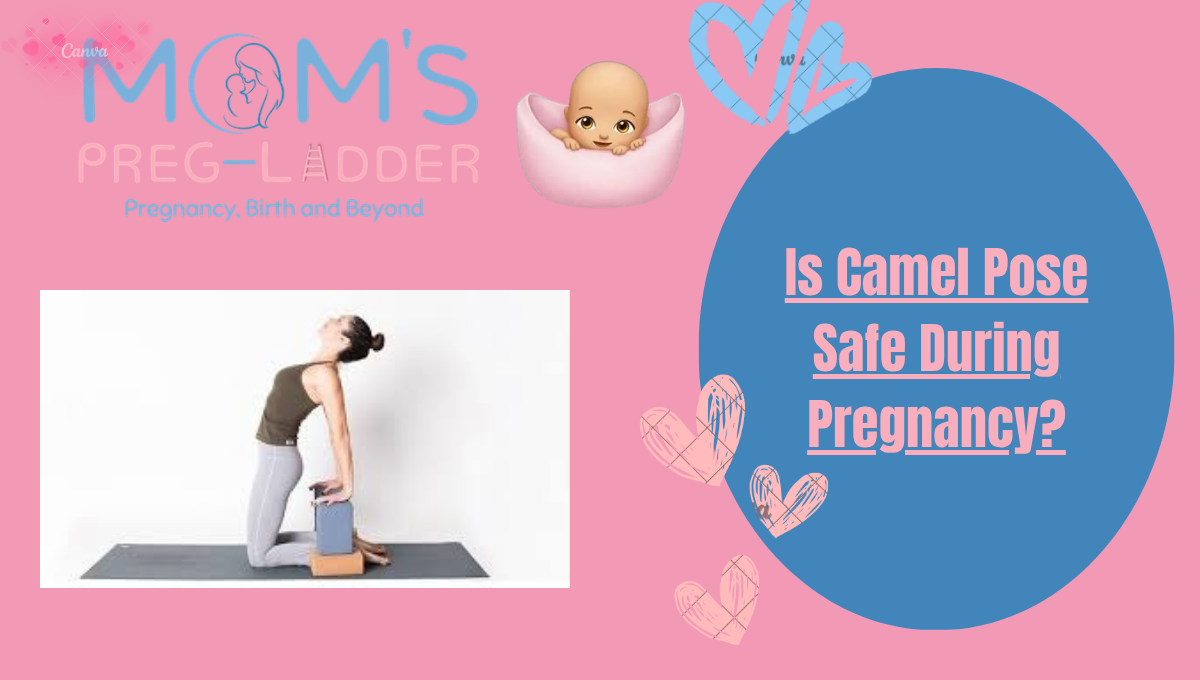
Place two yoga blocks on the highest setting next to your ankles. Do not reach back to your heels. Kneel, open your chest, and place your hands on blocks. The blocks raise the ground to you, so you don’t have to reach as far and keep your lumbar spine in a safer position. Press into the blocks and lift through the chest.
Modification 3: Camel with a chair or bolster supported
Place a chair or pillow behind. As you lift the chest, allow your hands to rest on the seat of the chair or on top of the bolster. It allows for the chest to open and the upper spine to lengthen gently without any strain being placed on the lower back or abdominal wall.
All modifications have one key rule in common: When pregnant, don’t let your hands go all the way down to your heels. According to one experienced prenatal yoga instructor, in Camel Pose, the feet are reached during pregnancy to exaggerate the way the weight of the pregnancy pulls the lower lumbar spine forward, and this puts quite a bit of stress on the spine.
Signs You Should Stop Immediately
If you are attempting a modified Camel Pose or any other yoga pose during pregnancy.
Come out of the pose immediately if you notice the following:
- Lower back pain or pressure
- Any sharp or cramping pain in the abdomen
- Feeling light-headed or dizzy
- Dyspnea, unusual
- Visible “coning” or “doming” of the belly along the midline.
- Pelvic pressure or discomfort of any kind
- Nauseousness
An especially important indication is the coning or doming of the belly when you lean back. This means your core is not doing a good job of managing your intra-abdominal pressure, and the position is putting too much stress on your abdominal wall. Come out of the pose and take Child’s Pose (knees wide to create space for the belly), and for the rest of the session, leave out Camel Pose.
Safe Alternatives to Camel Pose During Pregnancy
If full Camel Pose isn’t an option, you don’t have to abandon chest opening and spinal extension altogether.
These alternatives provide similar benefits, with far less risk:
Setu Bandhasana (Supported Bridge Pose with a bolster): Lie on your back, knees bent, feet flat on the floor. Lift the hips and place a bolster or folded blanket underneath the sacrum. It gently opens the chest and hip flexors with full support. After 20 weeks, avoid lying flat on your back for long periods of time, and place a folded blanket under your right hip to tilt your body slightly to the left, which reduces pressure on the vena cava.
Cat-Cow (Marjaryasana-Bitilasana) From hands and knees, alternate between arching (Cow) and rounding (Cat) the spine. Camel Pose has abdominal loading, but the gentle Cow motion provides upper- and mid-back extension.
Puppy Pose (Uttana Shishosana): From hands and knees, walk your hands out in front of you, lowering your chest toward the floor, keeping your hips stacked over your knees. This causes a little upper back extension and shoulder opening. Make sure your belly doesn’t touch the floor, and as it gets bigger, open your knees wider.
Bolster chest opening: Sit on the floor with a bolster placed horizontally behind you. Lean over it lightly so the bolster supports your mid to upper back. Stretch your arms out to the sides. This is a supported deep chest-opener relaxation that is safe for all trimesters.
Anjaneyasana (Low Lunge with Lifted Chest) Step one foot forward into a low lunge (back knee on the ground). Lift the chest and the arms while stabilizing the pelvis. It opens the chest and stretches the hip flexors without putting stress on the lumbar spine.
Why Prenatal Yoga with an Expert Makes a Difference
Many times, the difference between a pose that supports your pregnancy and one that strains it is your alignment, how deep you go into the pose, and whether your instructor can see in real time what is happening in your body. What feels fine at 18 weeks on one day may feel very different at 28 weeks, and the changes that work for one woman may not work for another.
At Mom’s Preg-Ladder, the pregnancy yoga classes are specifically designed for expectant mothers. Classes are trimester appropriate, use proper props and modifications, and you will never have to guess if a pose is right for you at your stage of pregnancy. Classes are led by certified professionals with over a decade of experience. Whether you are a beginner or have an established yoga practice, the guidance is customized to your body’s needs in the moment.
This is not the time to take a general yoga class and modify yourself. The surest way to keep yoga in your pregnancy routine is to find a teacher who understands prenatal anatomy and who can see your alignment as you do it.
Quick Reference: Camel Pose and Pregnancy
Full camel (hands to heels) – Do not do at any stage of pregnancy. There are real risks from deep lumbar compression and overstretching of the abdomen.
Modified Camel Pose (hands on lower back): For experienced practitioners, this pose can be appropriate in the first and early second trimester, with proper instruction and medical clearance.
Supported Camel Pose with Blocks or Bolster: A safer variation for experienced students who want the chest-opening benefits of the pose when working with a certified prenatal yoga teacher.
Third trimester: Avoid camel pose altogether or practice the gentlest, best supported variation under direct instruction of a teacher.
General rule: If you experience any coning of the belly, lower back pain, or discomfort, come out of the pose immediately and select an alternative.
Frequently Asked Questions
1. Can I do Camel Pose in the first trimester of pregnancy?
Full Camel Pose is not recommended even in the first trimester. A very gentle version with hands on the lower back and minimal depth may be acceptable for women with an established yoga practice, but only with medical clearance. The first trimester is a sensitive time for fetal development, and this is not the time to be attempting demanding backbends.
2. Why is Camel Pose not safe during pregnancy?
The Full Camel Pose intensely stretches the abdominal muscles and at the same time puts great compression on the lower lumbar spine. As the uterus grows through pregnancy, the abdominal wall is already stretched, which can make it more susceptible to diastasis recti (abdominal separation). The posture also accentuates the lumbar curvature that pregnancy already causes, adding strain to the lower back.
3. What can I do instead of Camel Pose when pregnant?
Modified Bridge Pose with a bolster, Cat-Cow movements, Puppy Pose, chest opening over a bolster, and low lunges with a chest lift are safer options. These poses offer the benefits of chest opening and spinal extension without the risk of overstretching the abdominals that is present in full Camel Pose.
4. Is any form of Camel Pose safe during pregnancy?
A supported modification with hands on the lower back or on yoga blocks may be appropriate for experienced practitioners in early-to-mid pregnancy with direct instruction from a certified prenatal yoga instructor. Hands during pregnancy should never reach the heels. If you don’t know, take the safer route.
5. When should I stop doing backbends altogether during pregnancy?
Avoid deep backbends like full Camel Pose, Wheel Pose, and Upward Bow throughout pregnancy. Gentle, supported backbends, such as bridge pose or chest opening over a bolster, are generally possible throughout all trimesters with appropriate modifications. If you feel your belly coning, lower back pain, or any pelvic discomfort during any backbend, stop immediately and speak with your prenatal care provider.