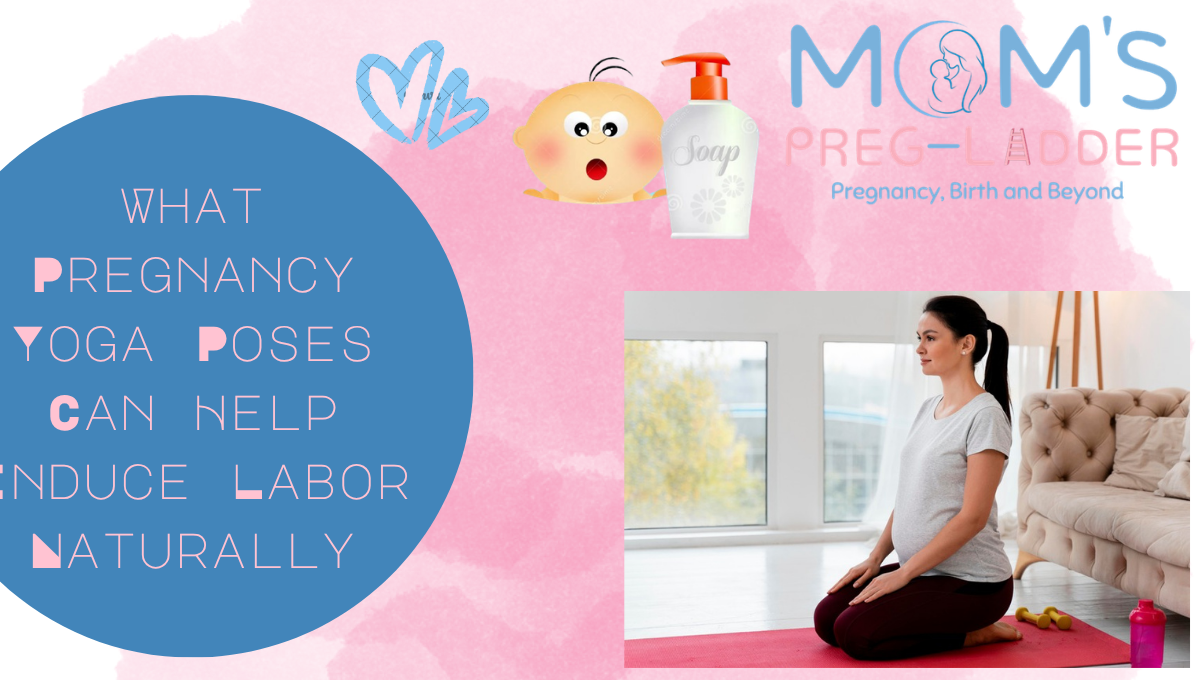
If you’ve gone past your due date, or you’re just feeling over being pregnant, you’ve probably already googled every natural trick in the book—walking, spicy food, pineapple, and yes, yoga. The reality is more complex than most lists imply. Some yoga poses for pregnancy can help induce labor by encouraging the baby to move down and preparing your body for the process. Still, no pose is guaranteed to start labor on a particular day.
At Mom’s Preg Ladder, we often hear the same question from mothers in their last weeks: What can I actually do to help things along safely? In this post, we’re going to break down what the evidence says, which poses are worth trying, and when you should wait it out.
Does Yoga Actually Help Induce Labour?
Let’s first be honest about this. No pose or exercise will make your body work before it is ready. However, research does show that being active in the last weeks can help the natural process along. A randomized clinical trial found that low-risk women who exercised by walking for 30 minutes, three times a week from 38 weeks onward, had a lower rate of needing medical induction and fewer operative vaginal deliveries than women who did not.
That is promising, but it suggests general movement and walking, not yoga per se. Most experts describe yoga poses for labour as supportive rather than a guaranteed cue. As one prenatal resource puts it, exercise isn’t a guaranteed method to induce labour, but gentle movement can help to release tension, improve circulation, and make it easier to change positions once you’re in labour.
So the honest answer is that some pregnancy yoga poses can help to induce labour indirectly by opening the pelvis, encouraging optimum positioning of the baby, and keeping your body relaxed and ready. It’s more about setting up favourable conditions than flipping a switch.
When Is It Safe to Try Labour-Inducing Yoga Poses?
The poses themselves matter less than that. These are practices to be used only by women who are 39 weeks or greater, have a low-risk, healthy pregnancy yoga stretches can be do at home, and have checked with their doctor. It can be dangerous to induce labour before your body and baby are ready.
Do not attempt these poses if you have:
- Placenta previa or bleeding of unknown origin
- Preeclampsia or hypertension
- History of premature labour
- Your doctor recommended bed rest or less activity
- Preterm (before 39 weeks)
If any of these apply to you, please consult your obstetrician before trying anything on this list.
6 Pregnancy Yoga Poses That May Help Support Labour
1. Supported Squats
Standing squats, where you hold onto a wall or a strong chair, open the pelvis gently, and gravity helps the baby go down. Another labour-supportive exercise suggested to help the baby move down and strengthen contractions is to stand with your back against a wall with your feet shoulder-width apart and slowly lower into a squat.
2. Butterfly Pose
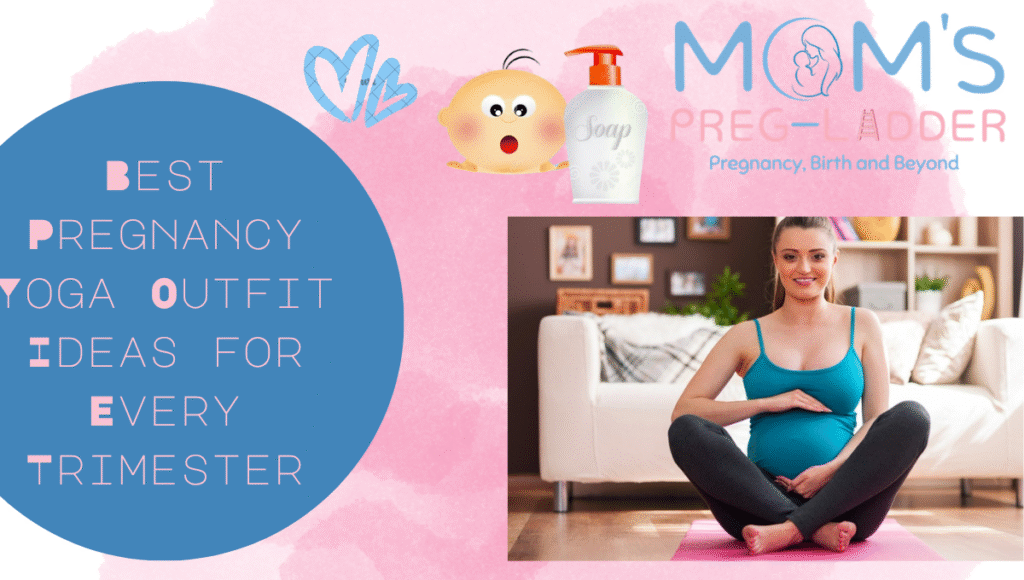
Join the soles of your feet together, your knees falling gently outward. It is often one of the recommended moves to try in late pregnancy, as it opens up the hips and inner thighs without putting any strain on them.
3. Pelvic Tilts
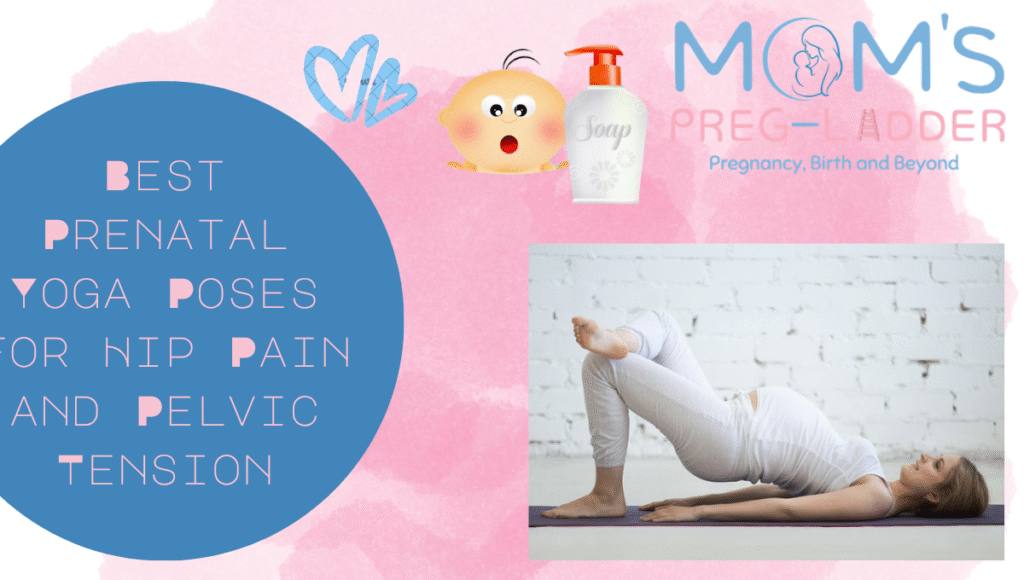
Done on all fours or on your back with knees bent, pelvic tilts keep the lower back and pelvis moving. The movement is lying on your back with knees bent and feet flat, gently lifting the pelvis, holding for a few seconds, and lowering slowly, but many women prefer the all-fours version for comfort near term.
4. Cat-Cow Stretch
This gentle movement of the spine while on all fours keeps the lower back supple and can help the baby settle into a good position for birth. It is also one of the safest poses to repeat frequently through the final weeks.
5. Bouncing on a Birth Ball
Bouncing gently or making small circles with your hips while sitting on a birthing ball can help relieve pressure in the pelvis and encourage the baby to engage. This isn’t exactly a yoga pose, but most teachers of prenatal yoga include it in late-pregnancy sequences because it pairs nicely with butterfly and squat poses.
6. Supported Malasana with Slow Breathing
A deep squat against a wall, held for a few slow breaths, combines the benefits of squat pose with calming breathwork, helping your body to stay relaxed rather than tense as you wait for labour to begin.
What This Routine Should Look Like
Keep sessions short and soft. You need only ten or fifteen minutes a day. Move slowly from pose to pose, breathing deeply and stopping immediately if you experience any sharp pain, dizziness, or unusual tightening. Couple this daily walking with three times weekly moderate-intensity walking, which has the strongest evidence for triggering spontaneous labour onset in low-risk women at term.
A Word of Caution
Don’t bounce hard or twist deeply, or do anything that gets your heart rate up too much. One prenatal guide is blunt about this: avoid exercises that raise your heart rate or put stress on the body, and always check with your provider before beginning any routine meant to help bring on labour. ACOG also points out that a birth between 39 and 41 weeks has the lowest risk of complications, so there is usually no medical reason to rush things before then.
How Mom’s Preg Ladder Can Support Your Final Weeks
The last few weeks of pregnancy can be a strange mix of excitement and impatience, so some guidance is helpful, rather than randomly trying out exercises. Our prenatal yoga classes at Mom’s Preg Ladder also have trimester-specific classes for the late third trimester. We have poses and breathing techniques that have been specifically chosen to get your body ready for labour in a safe way. Our certified instructors modify each pose to your comfort level and note anything that is not appropriate to your unique pregnancy.
If you are close to your due date and prefer a guided, personalized routine over a generic checklist, Mom’s Preg Ladder’s live online and offline classes can take you through what is safe for you at this stage.
Final Thoughts
Pregnancy yoga poses can help coax labor along in a supportive, gentle way, mostly by keeping your body active, your pelvis open, and your mind calm as you get closer to your due date. These are not a promise and are no alternative to medical advice. If you’re at 39 weeks and have been given the go-ahead by your doctor, a short daily routine of squats, Butterfly pose, pelvic tilts, and walking is a safe, sensible way to support your body in these final days.
Frequently Asked Questions
1. Can yoga really start labour on its own?
Not directly. Yoga poses cannot induce labour, but gentle poses such as squats and butterfly pose may help the baby move into position and keep your body relaxed as labour begins naturally.
2. When should I start doing labour-inducing yoga poses?
Only when you are 39 weeks and your doctor says it is safe. Starting earlier, especially with a high-risk pregnancy, is not recommended and could carry unnecessary risk.
3. How often should I practise these poses near my due date?
A short 10 to 15-minute session a day is good for most women. Combine it with regular walking, since that has the most evidence for supporting labour onset near term.
4. Are squats safe in the last weeks of pregnancy?
Yes, supported squats are safe for most low-risk pregnancies and can help with the baby’s descent. Hold onto a wall or chair for support, and if you feel any pain or discomfort, stop.
5. Is it safe to try these poses if I have a high-risk pregnancy?
No, not without a doctor’s clearance first. Avoid these poses if you have conditions such as placenta previa, preeclampsia, or a history of preterm labor unless your provider says it is ok.