The final stretch of pregnancy is both exciting and exhausting. Your body is carrying more weight than ever, sleep feels like a distant memory, and every day brings you closer to meeting your baby. If you are hoping for a natural birth, what you do in these last weeks can genuinely make a difference.
Practicing pregnancy yoga poses for normal delivery during the ninth month is one of the most well-supported things you can do. Research from the National Institutes of Health shows that yoga in late pregnancy can reduce labor pain, improve birth outcomes, and lower rates of medical intervention. It is not a magic fix, but it prepares your body and mind in ways that matter.
At Mom’s Preg Ladder, we hear from moms every week asking which poses are actually safe at nine months. This article gives you seven of the best, backed by evidence, explained clearly, and written for real pregnant women, not yoga instructors.
Before You Begin: Safety Guidelines for Third Trimester Yoga
Talk to your OB or midwife before starting any new movement practice in the third trimester. Once you have the go-ahead, keep these points in mind:
• Skip any pose that requires lying flat on your back after the 20-week mark. This can compress the vena cava and reduce blood flow to the baby.
• Avoid deep twists, full inversions, and poses with a high fall risk.
• Use a wall, chair, or blocks for balance. Your center of gravity has shifted considerably.
• Hydrate before, during, and after your practice.
• Stop immediately if you feel sharp pain, dizziness, shortness of breath, or pressure.
7 Best Pregnancy Yoga Poses for Normal Delivery
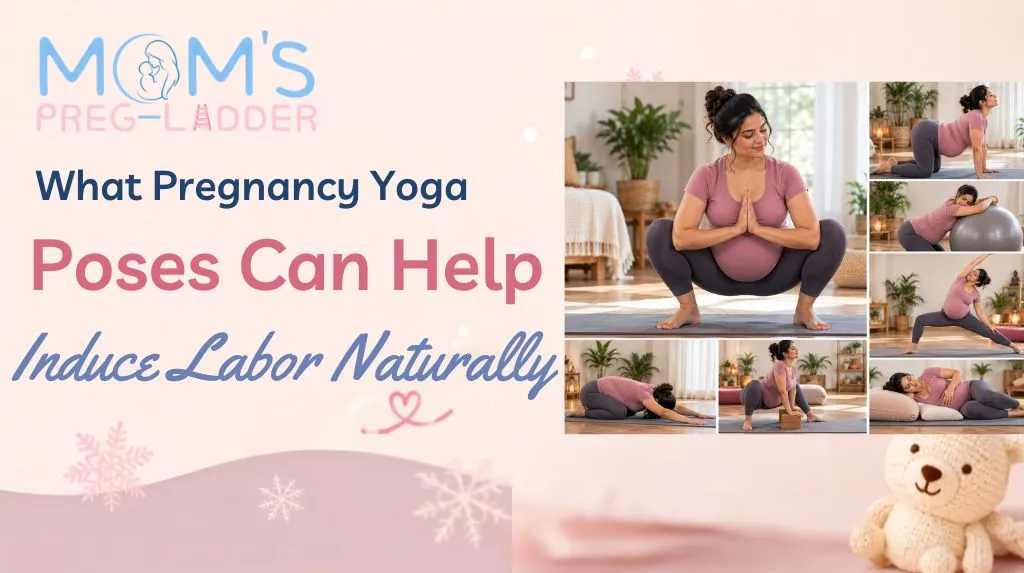
1. Malasana (Garland Pose / Deep Squat)
Why it helps: The deep squat is one of the most recommended pregnancy yoga classes for labor preparation. It opens the pelvis, stretches the inner thighs, and uses gravity to encourage the baby into an optimal position for descent.
How to do it:
1. Stand with feet slightly wider than hip-width apart, toes turned out.
2. Slowly lower your hips toward the floor into a squat position.
3. Press your palms together at your chest and use your elbows to gently push your knees outward.
4. Hold for 30 to 60 seconds, breathing slowly.
5. Use a folded blanket under your heels if your heels do not reach the floor.
According to the American College of Obstetricians and Gynecologists (ACOG), squatting during labor can shorten the pushing stage. Practicing this pose now builds both the strength and the habit.
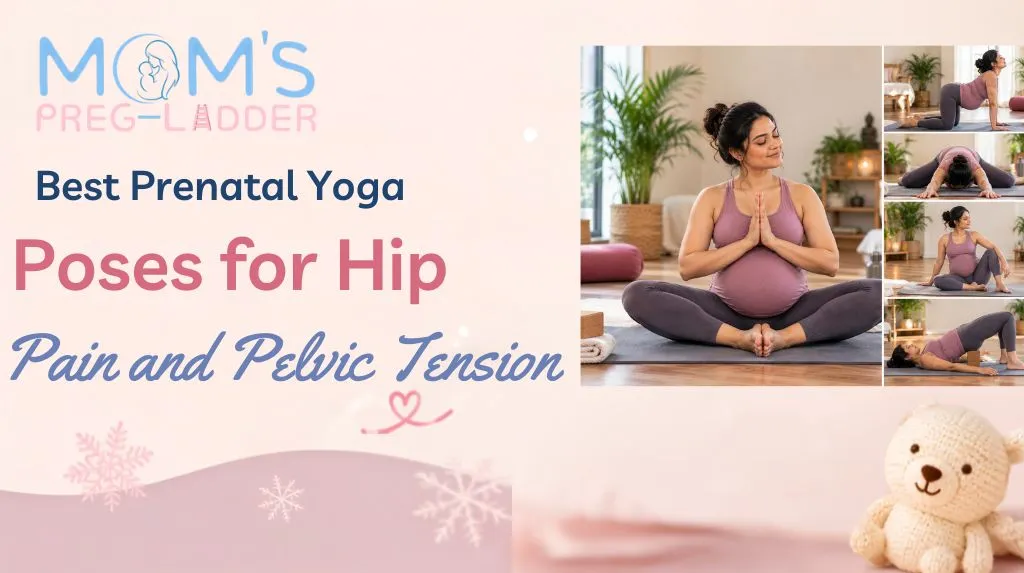
2. Baddha Konasana (Butterfly Pose)
Why it helps: Yoga asans gently opens the hips and groin, areas that need to be both flexible and relaxed for a vaginal birth. It also relieves sciatic nerve pressure, which plagues many women in the third trimester.
How to do it:
1. Sit on your yoga mat with your back straight. Prop yourself on a folded blanket if needed.
2. Bring the soles of your feet together and let your knees drop out to the sides.
3. Hold your feet with both hands and sit tall.
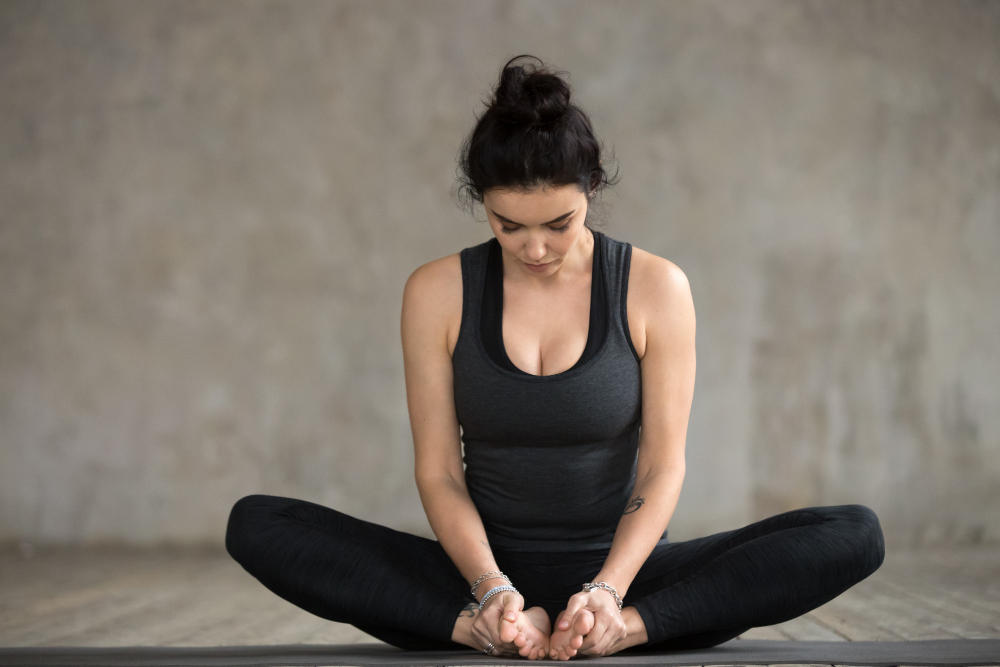
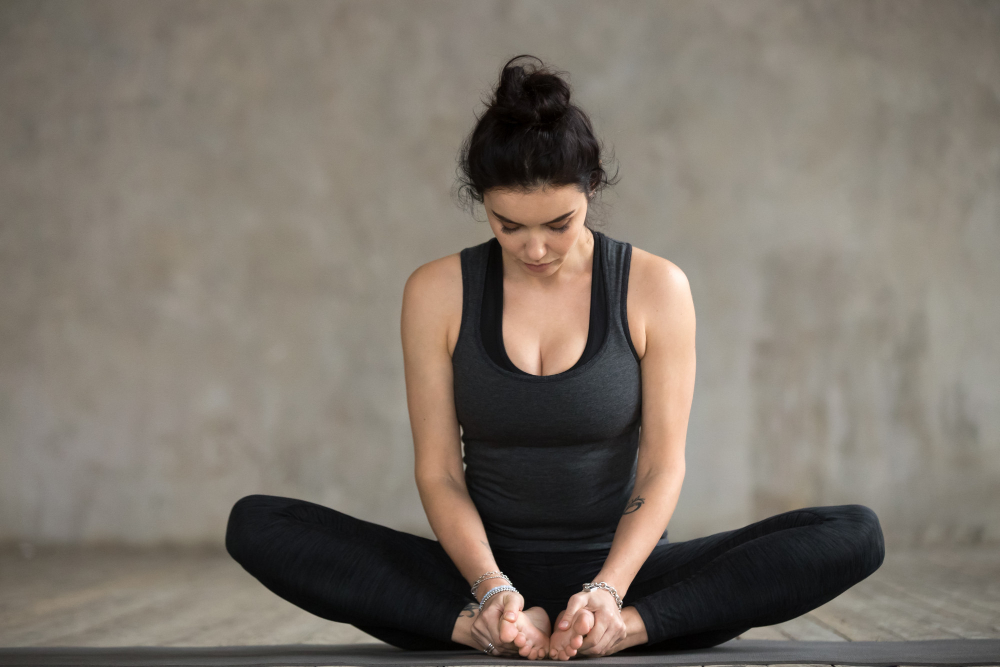
49. Breathe deeply for one to two minutes. You can gently flutter your knees up and down like butterfly wings.
This is a wonderful pose to combine with deep belly breathing, which also trains the parasympathetic nervous system to stay calm during contractions.
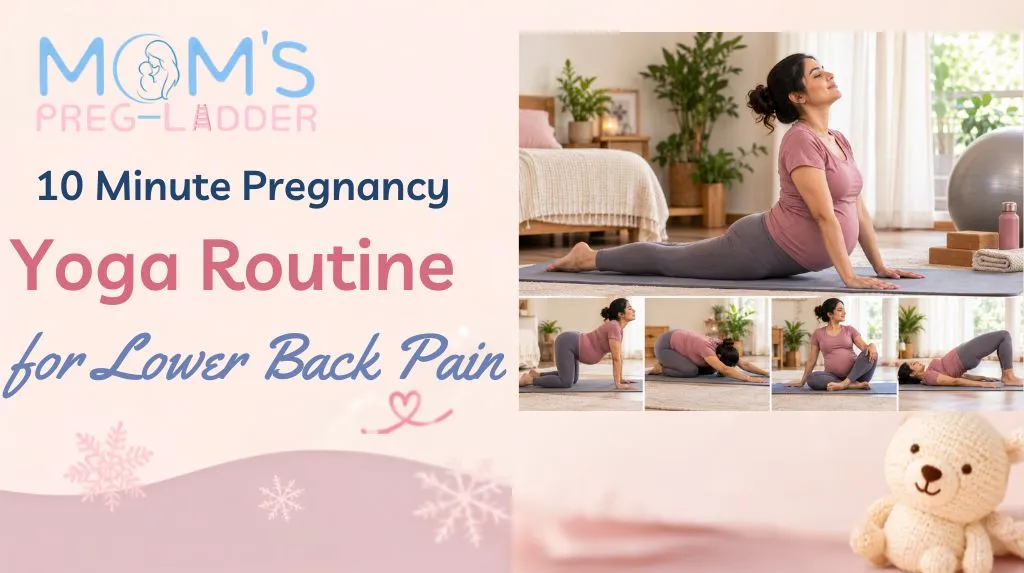
3. Marjaryasana-Bitilasana (Cat-Cow Stretch)
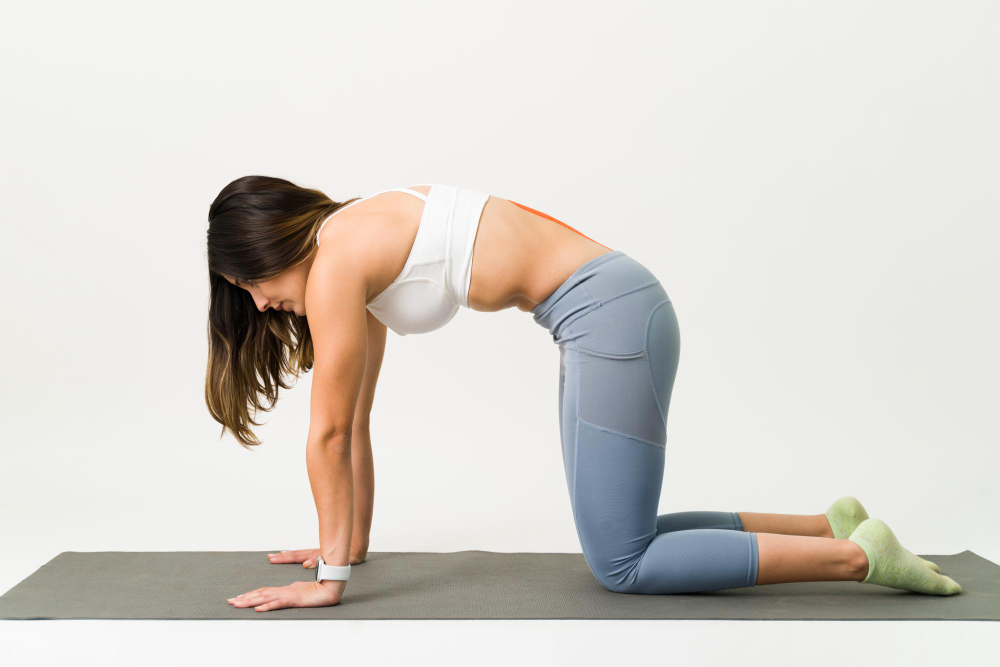
Why it helps: Cat-cow is the workhorse of prenatal yoga. It mobilizes the spine, reduces lower back pain, and most importantly, encourages the baby to shift into an anterior position. Back labor is more common when the baby is posterior, so this movement can make a real difference.
How to do it:
1. Come onto all fours with wrists under shoulders and knees under hips.
2. On an inhale, drop your belly toward the floor, lift your tailbone and chest (Cow pose).
3. On an exhale, round your spine toward the ceiling, tuck your chin and tailbone (Cat pose).
4. Repeat this flow 10 to 15 times slowly. You can also add gentle hip circles.
Midwives often recommend this sequence throughout labor itself. Doing it now means the movement will feel natural when you need it most.
4. Virabhadrasana II (Warrior II Pose)
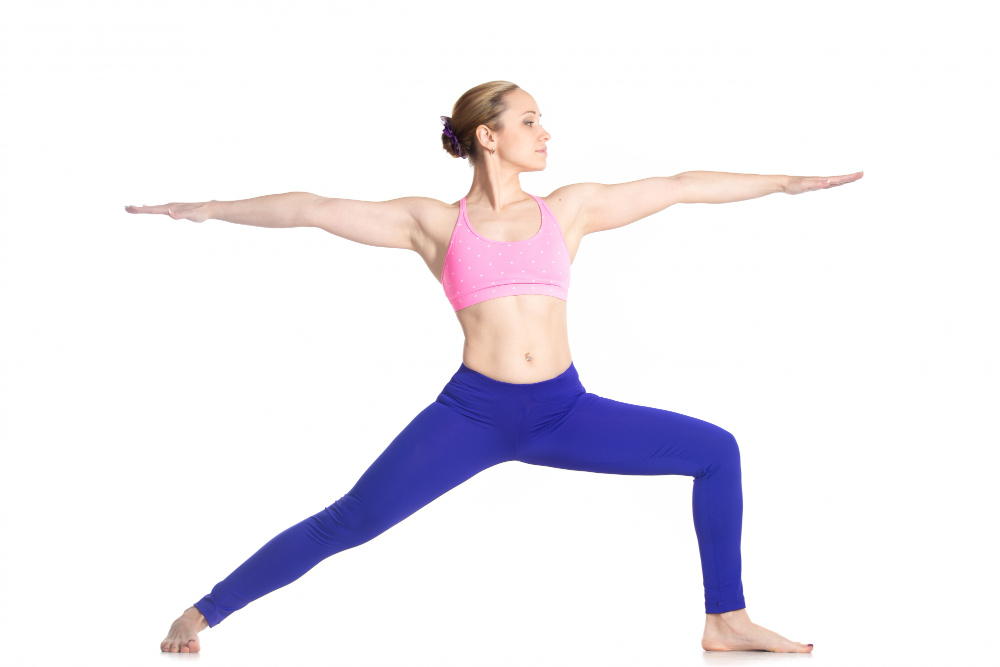
Why it helps: Labor requires endurance. Warrior II builds strength in the legs, hips, and core while practicing the kind of focused breathing you will rely on during contractions. It also opens the hips laterally.
How to do it:
1. Stand sideways on your mat with feet about three to four feet apart.
2. Turn your right foot out 90 degrees. Your left foot turns in slightly.
3. Bend your right knee over your right ankle. Do not let the knee collapse inward.
4. Extend both arms parallel to the floor, gaze over your right hand.
5. Hold for 5 deep breaths, then repeat on the other side.
Keep the bend shallow if you feel any knee discomfort. A chair beside you for support is completely fine at nine months.
5. Uttanasana (Standing Forward Bend, Modified)
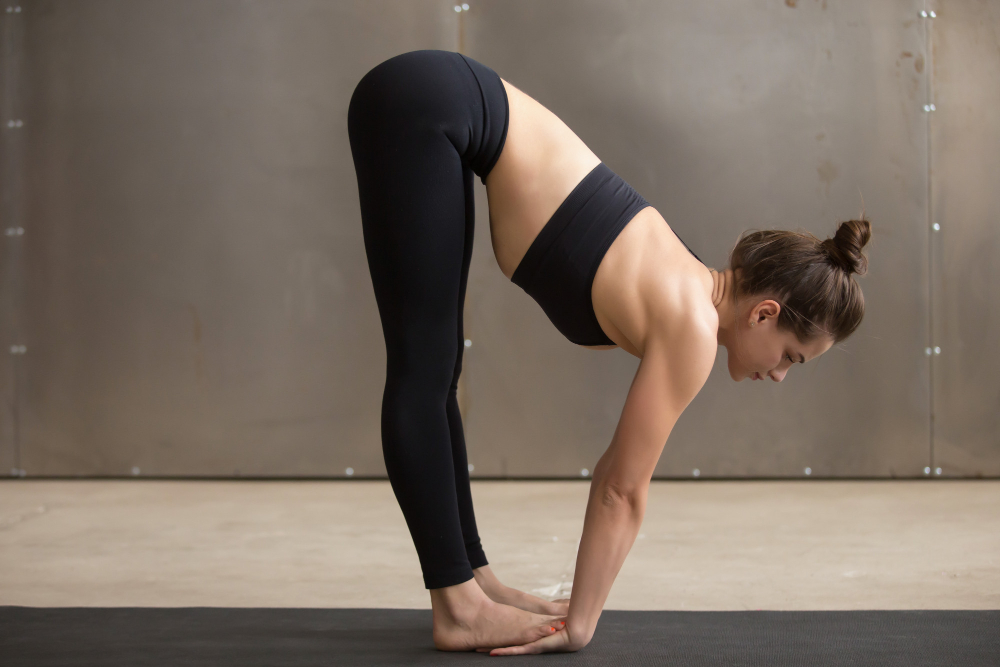
Why it helps: A modified forward fold relieves compression in the lower back and helps decompress the spine after long periods of sitting or standing. It also promotes blood circulation to the lower body and can encourage the baby to move forward and down.
How to do it:
1. Stand facing a chair or table placed in front of you.
2. Step your feet hip-width apart and place your hands on the chair seat or table edge.
3. Walk your feet back until your torso is roughly parallel to the floor.
4. Let your head hang gently between your arms. Breathe and hold for 30 to 45 seconds.
Do not attempt a full standing forward fold without support at this stage. The modified version with a chair is both safe and effective.
6. Balasana (Child’s Pose, Modified)
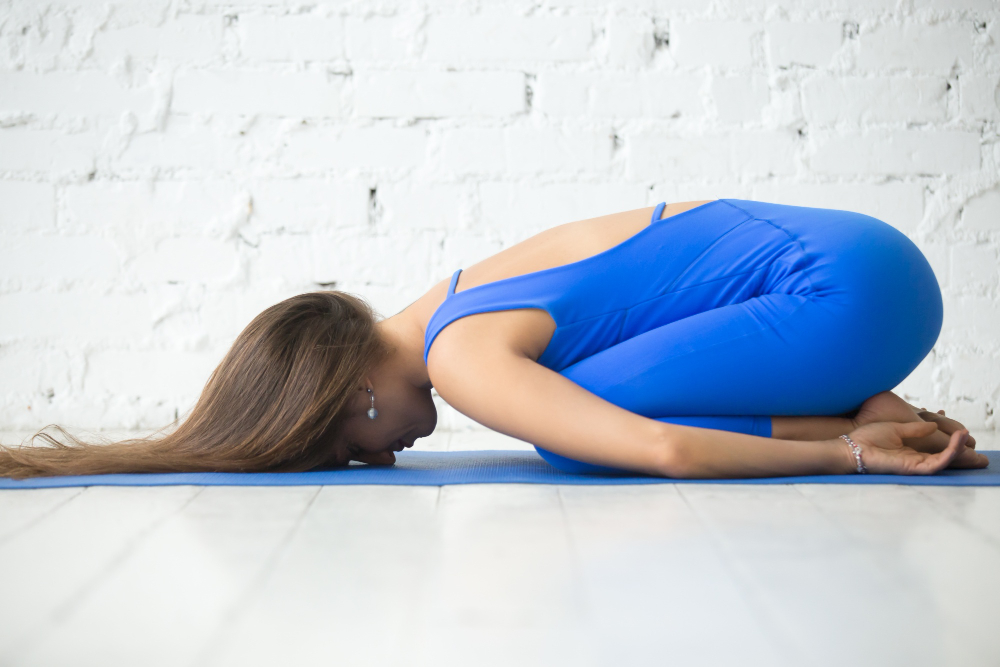
Why it helps: Child’s pose is the ultimate rest pose in prenatal practice. It relieves pressure on the lower back, stretches the hips, and calms the nervous system. In a modified version with knees wide, there is plenty of room for your belly.
How to do it:
1. Come onto all fours, then bring your big toes together and widen your knees as far as is comfortable.
2. Sink your hips back toward your heels.
3. Walk your hands forward and rest your forehead on the mat or on stacked fists.
4. Stay here for one to three minutes, breathing into your lower back and hips.
This is also a good laboring position. Many women find it naturally during active labor because it takes pressure off the sacrum.
7. Viparita Karani (Legs Up the Wall, Modified)
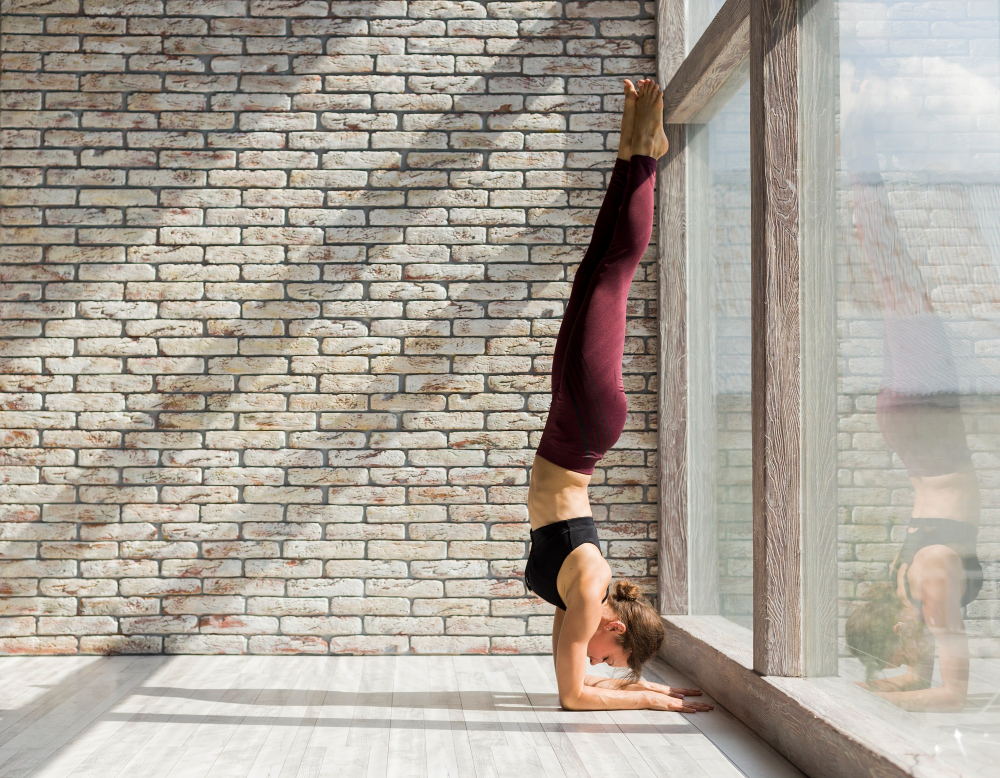
Why it helps: Legs up the wall reduces swelling in the ankles and feet, something nearly every pregnant woman in the third trimester deals with. It also promotes venous return and gives your lower back a gentle passive stretch.
How to do it:
1. Sit sideways next to a wall with your hip almost touching it.
2. Swing your legs up the wall as you lie onto your left side first, then roll to your back with legs elevated.
3. Place a folded blanket or bolster under your hips to tilt your pelvis slightly.
4. Rest here for up to five minutes. Come out slowly by bending your knees and rolling to one side.
Note: If you feel any dizziness or discomfort lying on your back, place the bolster high enough to keep your torso at a 30-degree incline, or skip this pose entirely and elevate your legs in a recliner instead.
How Often Should You Practice Yoga in the Ninth Month?
Most prenatal yoga instructors recommend 20 to 30 minutes of gentle practice, three to five times a week. Short, consistent sessions are better than one long session that leaves you exhausted. Listen to your body every single day. Some days a five-minute baby clues and some slow breathing is the right amount.
A 2014 study published in the Journal of Obstetrics and Gynaecology found that women who practiced prenatal yoga had shorter labor durations and reported lower pain scores compared to those who did not. The researchers noted that breathwork was a key factor, not just the physical poses.
Breathwork: The Part Most Women Skip (But Shouldn’t)
Every yoga session at 36 weeks and beyond should include intentional breathing practice. Here are three that are particularly useful for labor:
• Ujjayi breath (ocean breath): Inhale through the nose, exhale through the nose with a slight constriction in the back of your throat. This creates a soft, audible sound and activates the vagus nerve, reducing the stress response.
• 4-7-8 breathing: Inhale for 4 counts, hold for 7, exhale for 8. This is particularly effective for managing pain spikes.
• Slow diaphragmatic breathing: Place one hand on your chest and one on your belly. Breathe so only the belly hand moves. This is the foundation of calm during labor.
Yoga Poses to Avoid During the Ninth Month of Pregnancy
Knowing what not to do matters as much as knowing what to do. Avoid these at 36 weeks and beyond:
• Full supine poses (lying flat on your back for more than a minute or two)
• Deep abdominal twists (Revolved Triangle, Seated Spinal Twist)
• Backbends that stretch the abdominal wall intensely (Wheel, Camel)
• Inversions (Shoulder Stand, Headstand)
• Any balance pose that feels unstable without wall support
Building a Simple 9th Month Yoga Routine for Labor Preparation
Here is a simple 25-minute sequence you can follow at home:
1. Cat-Cow x 10 rounds (3 minutes)
2. Butterfly Pose with deep breathing (3 minutes)
3. Warrior II, both sides (4 minutes)
4. Standing Forward Bend at chair (3 minutes)
5. Deep Squat / Garland Pose (3 minutes)
6. Modified Child’s Pose (3 minutes)
7. Legs Up the Wall with 4-7-8 breathing (5 minutes)
Do this routine consistently in the final weeks of pregnancy, and you will go into labor with a more open pelvis, a calmer nervous system, and a body that has rehearsed the positions that help labor progress naturally.
At Mom’s Preg Ladder, the goal is to give you evidence-based, practical guidance for every stage of pregnancy. Whether you are just starting prenatal yoga or refining a practice you’ve had since the first trimester, the most important thing is to show up consistently and listen to your body.
Frequently Asked Questions
1. Is it safe to do yoga at 9 months pregnant?
Yes, gentle prenatal yoga is generally safe in the ninth month for uncomplicated pregnancies. Always get clearance from your healthcare provider first. Stick to poses designed for the third trimester, use props for support, and skip anything that feels uncomfortable or causes pain or pressure.
2. Which yoga pose is best for normal delivery?
The deep squat (Malasana) and Cat-Cow are widely regarded as two of the best poses for labor preparation. Squatting opens the pelvis and encourages baby’s descent, while Cat-Cow helps position the baby optimally and relieves lower back pain common in late pregnancy.
3. Can yoga induce labor naturally?
Yoga does not directly induce labor, but certain movements like squatting and pelvic tilts may encourage the baby to move into a favorable position for birth. Breathwork and relaxation techniques can help the body prepare physically and mentally, which may support a smoother labor onset when the time comes.
4. How long should I hold each yoga pose when I am 9 months pregnant?
Most third-trimester yoga poses are held for 30 seconds to 3 minutes depending on the pose. Breathing-focused restorative poses like Butterfly or Legs Up the Wall can be held longer. If a pose causes any discomfort, tightness, or dizziness, release it immediately and take a rest.
5. Do I need to attend a prenatal yoga class or can I practice at home?
Both work well. A prenatal yoga class led by a certified instructor gives you personalized cues and safety guidance. Home practice offers flexibility and comfort. If you are new to yoga, at least a few in-person sessions are a good starting point so you learn proper alignment before practicing solo at home.