If you practiced yoga prior to pregnancy, chances are you know Cat Pose as well as you know how to breathe. If this is your first exposure to yoga, on the other hand, you may have heard someone tell you it’s good for back pain and wondered if it’s even safe to do at this stage of your life.
Here’s the short answer: yes! Not only is Cat Pose safe during pregnancy, it’s actually one of the most recommended prenatal yoga poses for all three trimesters.
That being said, “safe” doesn’t mean “the same as before you were pregnant.” This pose requires some modifications to work with your changing body. Find out why it’s so beneficial, how to modify it each trimester, what to avoid, and when to stop in this complete guide.
What Is Cat Pose, and What Does It Actually Do?
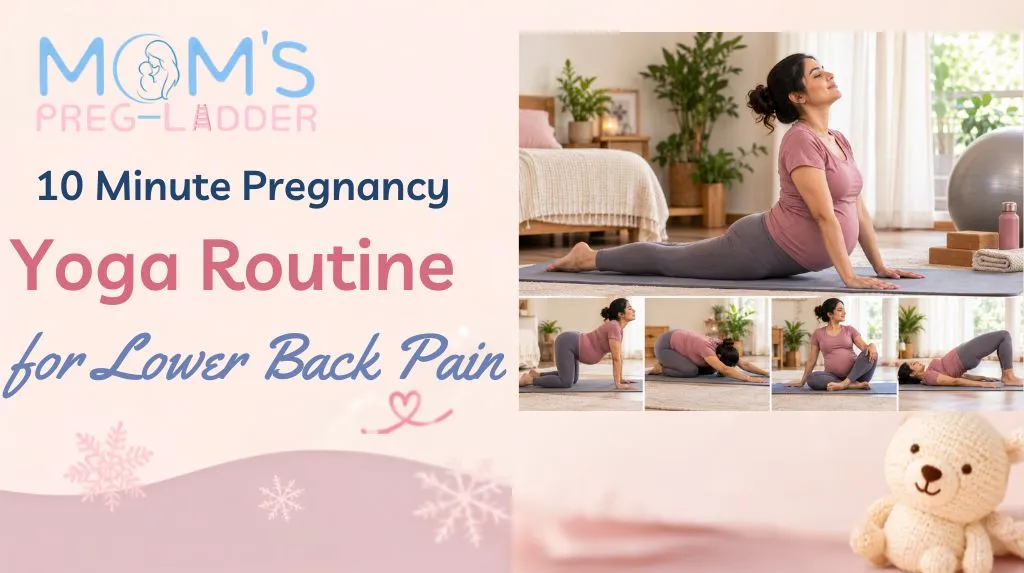
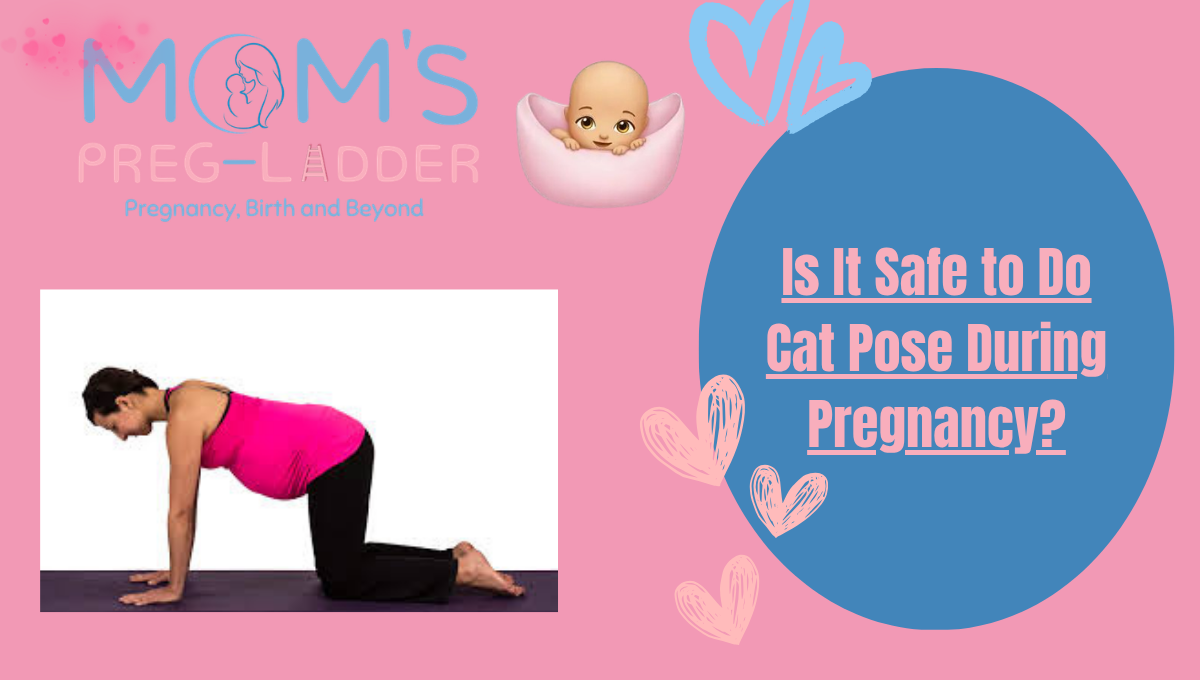
Cat Pose is a kneeling, all fours position where you exhale and round your spine up toward the ceiling—as a cat stretches. In practice, it’s almost always performed in sequence with Cow Pose (Bitilasana), which is inhaling, dropping your belly toward the floor and lifting your chest and tailbone. The two together create a wave-like motion that flows with your breath and moves through each vertebra of your spine individually from bottom to top. “It creates movement with no compression,” Chubak says. For expecting mothers pregnancy yoga classes, that’s huge: It’s one of the few exercises that allows the spine to move through its full range of motion safely—without putting any extra load on the belly, twisting the torso, compressing the abdomen or requiring balance to complete. The American College of Obstetricians and Gynecologists (ACOG) cites modified yoga as one of the safest exercises for pregnancy. It decreases stress, increases flexibility and encourages focus on breathing. Cat-Cow is basically yoga in motion.
What the Research Says About Cat Pose Safety in Pregnancy
Let’s review the facts from clinical research. Because it shouldn’t be controversial.
In 2015, researchers at Jersey Shore University Medical Center recruited 25 healthy women who were between 35 and 37 weeks pregnant to try 26 different yoga poses. These poses included Cat Pose and Cow Pose. Fetal heart rate was continuously monitored, and maternal vital signs were taken throughout the session.
Here’s the takeaway, courtesy of the Harvard Health Blog: every yoga pose was safe. Mothers and babies were happy and healthy. Fetal heart rate remained normal during every pose. Nobody experienced contractions, decreased fetal movement, leaking of fluids, or vaginal bleeding both during and 24-hours after class. There were no falls or injuries throughout 650 total “instances” of doing the poses (so someone may have done Downward Dog 10 times, for example).
Cat Pose and Cow Pose were specifically two of the 26 poses deemed safe.
Biology Lessons breaks down the research on Cat-Cow for pregnancy, stating that it “is a mild, non-weight-bearing exercise that is thought to be safe and helpful throughout pregnancy with an uncomplicated uterus, as long as modifications are made as needed.”
Why Cat Pose Is Particularly Helpful During Pregnancy
This is not a pose that merely tolerates pregnancy it genuinely addresses many of pregnancy’s most common physical complaints. Here is why prenatal yoga practitioners consistently recommend it.
Relief from Lower Back Pain
Most pregnant women will experience back pain at some point during pregnancy. The expanding belly during the second and third trimesters moves your center of gravity forward. Cat-Cow flows the lumbar spine through its range of motion which helps loosen the paraspinal muscles and decompresses the joints of your vertebral column. ” Consistent practice of the Cat-Cow Pose will decrease tension in your lower back due to your shifting center of vaginal polyp removal and extra weight,” reports Biology Insight. “This pose also alleviates pressure on the sciatic nerve relieving sciatica pains.”
Quint’s review of prenatal yoga asanas references studies proving that yoga is safe while pregnant and poses benefit pregnancy by helping with lower back pain, nausea, headaches, and improving sleep.
Pelvic Floor Activation and Labor Preparation
One of Cat-Cow’s less apparent, but more powerful perks during pregnancy relates to your pelvic floor and pelvic joints. “When done properly,” Om Births Boston says, “the rocking motion tones deep abdominals, opens and mobilizes pelvic joints and creates better balance in the pelvic floor — all extremely relevant to what your body will go through during labor.” Since Cat-Cow alternates between flexing your spine and arching it, the Cow Pose aspect of the movement (aka anterior pelvic tilt) widens and opens your sitting bones while pulling your pubic bone away from your tailbone. This opens up your pelvic floor and tones your posterior pelvic ligaments, which control movement of your sacrum during birth. A flexible sacrum that can move back easily as your baby moves through your lower pelvis will benefit your birth.
Optimal Fetal Positioning
Suspension of the mother’s spine while encouraging the uterus to tilt forward takes weight off the back and allows the baby to rotate into an anterior position. Facing the mother’s spine, the baby is in an anterior position. This is ideal for labor because babies that are positioned posteriormost to the mother’s spine are often causes for back labor, which is one of the most painful presentations. Biology Insights verifies that “this inversion of the torso allows the baby to move into an anterior position, which is favorable for labor. It can also help with back labor if the baby is in a posterior position.”
Nervous System Calm
The breath-based, fluid motion of Cat-Cow engages your parasympathetic nervous system , or your body’s rest and digest response. This is significant for pregnant folks, as high cortisol levels and stress hormones are linked to negative effects. According to Prenatal Yoga Center and how to stay healthy and fit during pregnancy, Cowpose can “calm the nervous system” when done with fluid motion, and may even be used as a position to manage pain during active labor.
Chest Opening and Better Posture
Cow releases tension in your chest and upper back; it reverses the tendency to hold your shoulders forward-rounded as your breasts get heavier during pregnancy. Improved thoracic mobility also allows you to breathe deeper and easier, something you appreciate as your rising uterus pushes against your diaphragm.
How to Do Cat Pose Safely During Pregnancy: Step by Step
Follow these alignment cues every time you practice.
- Set up your base: Kneel on a yoga mat with your hands directly beneath your shoulders and your knees directly beneath your hips. Fingers spread wide, pressing evenly through all four corners of each hand.
- Find a neutral spine first: Before you move, let your spine settle into a neutral position not arched, not rounded. Your gaze goes straight down to the mat.
- Cat Pose (Exhale): Breathe out slowly. Begin the movement from your pelvis tuck your tailbone gently downward and under. Let that movement travel upward through the lumbar spine, then the mid-back, then the upper back. Your spine rounds toward the ceiling. Let your chin drop gently toward your chest, without forcing it. Think of drawing your belly upward, creating space.
- Cow Pose (Inhale): Breathe in. Begin from the pelvis again tilt the tailbone upward and back. Let the movement travel up through the spine so the lower back dips softly, the chest lifts, and the head follows last. Do not let the head lead the movement or drop heavily backward.
- Repeat for 5 to 10 slow, breath-linked rounds. Move at the pace of your breath never faster.
- Come out slowly: Return to neutral tabletop and either rest in Child’s Pose (with knees wide) or shift to a seated position using your hands for support.
Key points to remember:
- Always initiate movement from the pelvis, not the neck or head
- Keep movements slow and deliberate Cat-Cow is not a stretch-and-snap sequence
- Breathe through the nose throughout
- Do not hold your breath at the top or bottom of either position
Cat Pose Modifications Trimester by Trimester
First Trimester (Weeks 1 to 13)
For most women, you can do a fairly traditional Cat-Cow throughout the first trimester with few modifications. Your belly isn’t big enough to be that restrictive yet.
The consideration during this trimester is the increase of relaxin in your body. Relaxin loosens your ligaments which means you can easily overstretch. Don’t take your arch in Cow Pose too far – you don’t need to force your lower back into a deep sag to receive the benefits from the pose. Focus on quality of movement rather than depth of range.
FYI: In case you are experiencing nausea during the first trimester, being on all fours can sometimes feel better than standing or sitting. For some women, the movement can help alleviate nausea.
According to ISSA Online’s prenatal yoga recommendations, Cat-Cow first trimester “helps the spine stay flexible and is a gentle way to strengthen your core.”
Second Trimester (Weeks 14 to 27)
Cat-Cow is most helpful and practiced during the second trimester. Back pain is usually at its worst during this time because the belly is expanding and adding more postural strain. Cat Cow directly counteracts this.
Bring your knees wider than in the first trimester to allow more room for your belly. Allow your hands to migrate forward slightly if you need more room. Remember to move slow and lead with your pelvis.
Research based instruction from Utah Prenatal Yoga suggests that the second trimester is when you can start to focus more on the “New Cat-Cow” technique: leading movement from your pelvis instead of your neck AND keeping your neck in a neutral position rather than intensely extending or flexing it. Excessive movement in the neck while pregnant can put strain on joints that are already loosened from relaxin.
Third Trimester (Weeks 28 to 40)
Cat Pose has been found safe throughout pregnancy including during the third trimester. (One study published in 2015 in Obstetrics and Gynecology tested Cat Pose at 35-37 weeks and confirmed that it was safe.) The third trimester will change your comfort level due to the belly. Allow yourself these adjustments:
Position your knees wider than hip distance so your belly can dangle between your thighs without compression from your legs.
Use a folded blanket under your knees if the floor is too hard on your knees.
Use fists instead of flat hands or rest your forearms on a bolster instead of your hands on floor if you have wrist pain (wrist pain is common in pregnancy due to fluid retention and carpal tunnel syndrome).
Avoid any tension in the neck. Don’t lean back in Cow Pose or tuck the chin to your chest in Cat Pose.
You can also decrease the movement range in both directions. If going into a full arch or rounding completely is uncomfortable, take smaller movements. You will still gain the benefits.
The prenatal instructions at The Dolphin Way say: Beginning in the second trimester, “If rocking your back becomes uncomfortable, simply lift your head.” So even a tiny modification of the pose allows you to gain most of the benefits of spinal articulation.
The Diastasis Recti Consideration
Diastasis recti abdominis (DRA) is the bulging apart of the two bellies of the rectus abdominis muscle along the midline of the abdomen. Research published by NCBI who conducted a prospective cohort study with 300 primiparous women found the prevalence of DRA to be 33.1% at 21 weeks gestation and 60% six weeks postpartum. DRA is extremely common in pregnancy.
Utah Prenatal Yoga warns that traditional Cat-Cow especially exaggerating the belly sagging during Cow Pose can cause over-stretching along your midline abdominal muscles. It can put extra stress along the linea alba which can exacerbate DRA in women who are already affected.
The Modification is simple: keep the movement in your pelvis without allowing your belly to drop towards the mat in Cow Pose. Rather, visualize a gentle lengthening through your lower back instead of collapsing into it. You are still rocking that pelvic tilt. You are still getting that spinal movement- you’re just managing how much your belly compresses. If you have been diagnosed with DRA or see a noticeable cone/dome along your midline when in this pose, minimize your range of motion and speak to your prenatal yoga instructor or physiotherapist about this modification.
When Not to Do Cat Pose During Pregnancy
Cat Pose is one of the safest movements you can do during pregnancy. However, there are some circumstances that require you to modify further or avoid it altogether:
Your doctor has placed you on bed rest or restricted activity
You have wrist, shoulder, or knee injuries that cause pain when on all-fours
You have severe diastasis recti and your physiotherapist has instructed you to avoid all-fours movements
You have placenta previa, placental abruption, or are at risk for preterm labor (follow your OB-GYN’s instructions)
You experience dizziness, nausea or lightheadedness during the pose
Remember ACOG’s guidelines for warning signs to stop exercising immediately include vaginal bleeding, dizziness, chest pain, shortness of breath before you begin to exert yourself, headache, muscle weakness, swelling of a calf, or leaking fluid from your vagina. This includes Cat Pose or any other exercise.
If Cat Pose ever causes your abdominals to tighten, pressure in your pelvis, or any sharp pains, stop the pose and reach out to your care provider.
Can You Do Cat Pose During Labor?
Yes! And this is actually one of the pose’s lesser known applications.
Assuming the all fours position offloads the baby’s weight from your spine, alleviates pressure during contractions, and allows your pelvis freedom of movement. Prenatal Yoga Center notes Cat-Cow to be “a possible laboring pose, which makes it a useful and functional addition to any prenatal yoga practice.” The cyclical movement of the pose can be used as an active distraction during contractions to keep your pelvis loose and your nervous system soothed.
Preparing for labor is a huge focus of the pregnancy yoga classes at Mom’s Preg Ladder run by international certifiied childbirth educator Mrs. Swapnil Kaushik. If you practice Cat Cow throughout your pregnancy your body will be familiar with the movement and will more instinctually assume the position when it’s time.
How Often Should You Practice Cat Pose During Pregnancy?
There’s no magic formula but most prenatal yoga instructions recommend practicing Cat-Cow during every yoga session whether as a warm-up or movement on its own. Practicing five to ten rounds a session one or two times a day is typical and easily maintainable.
According to The Quint’s review of prenatal yoga, studies found that women who practiced yoga while pregnant slept better, felt less stressed and anxious, felt stronger and more flexible, and had less lower back pain, nausea, headaches, and shortness of breath. Cat-Cow is one of the movements they practiced to see these benefits.
If you are a yoga newbie, Mom’s Preg Ladder’s pregnancy yoga classes will guide you through each trimester with structured classes so you learn proper alignment, breathing patterns, and modifications from the start rather than trying to modify a non-pregnant practice yourself.
FAQs: Cat Pose Safe During Pregnancy
1. Can Cat Pose cause a miscarriage or harm the baby?
No. Cat Pose does not cause miscarriage or harm the baby. The 2015 study published in Obstetrics and Gynecology, conducted with women in late pregnancy under continuous fetal monitoring, found that Cat Pose produced no adverse changes in fetal heart rate, maternal vital signs, or pregnancy outcomes. As long as you are not in a high-risk pregnancy category, Cat Pose is one of the safest exercises available to you.
2. Is Cat Pose safe in the third trimester?
Yes. The 2015 Obstetrics and Gynecology study specifically tested Cat Pose on women between 35 and 37 weeks of pregnancy and confirmed it was well-tolerated. Widen your knees to make space for the belly, keep the neck neutral, and consider a forearm modification if wrist pain is an issue. Move slowly and let your breath guide the pace of the movement.
3. Can Cat Pose help turn a posterior baby?
The all-fours position used in Cat Pose encourages the baby to move anteriorly — facing the mother’s back — which is the more favorable position for labor. While no pose can guarantee a baby’s position, regular all-fours practice has long been recommended by midwives and prenatal yoga instructors as a supportive strategy for fetal positioning. Discuss it with your midwife or OB-GYN if you have concerns about your baby’s position.
4. How many times a day can I do Cat Pose during pregnancy?
You can practice Cat-Cow as often as your body finds it comfortable there is no upper limit for a healthy, uncomplicated pregnancy. Many women do 5 to 10 rounds in the morning to ease overnight stiffness and another round at the end of the day to release tension from sitting. If you are using it for back pain relief, short sessions of 5 to 10 rounds several times a day is a reasonable approach.
5. I have wrist pain during pregnancy. Can I still do Cat Pose?
Yes, with a modification. Wrist pain and carpal tunnel syndrome are common during pregnancy due to fluid retention. Instead of placing flat hands on the mat, make loose fists so your weight goes through your knuckles rather than your wrists. Alternatively, rest your forearms on a bolster or folded blankets, keeping your elbows below your shoulders. This removes wrist pressure entirely while keeping the same spinal benefits.