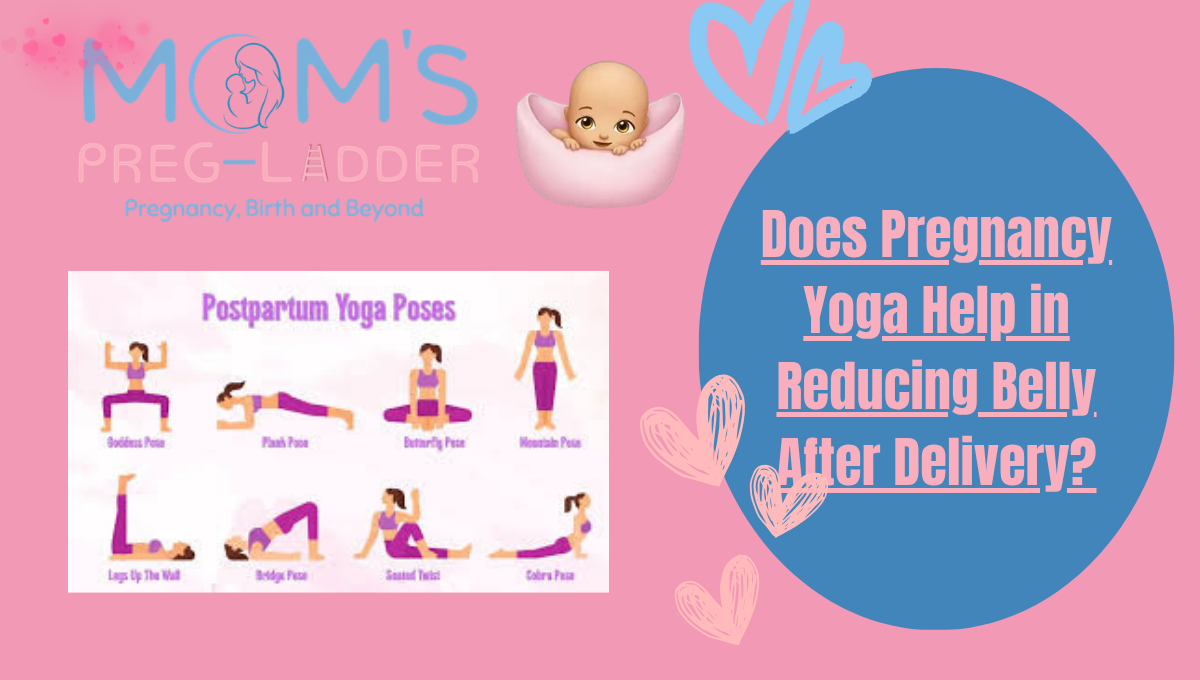
You recently had a baby. Your body housed an entire human being for 9 months, and now you’re staring in the mirror questioning when your body will begin to look and feel like YOUR body again. We’ve all been there ladies. The bloated postpartum belly is no myth, and your questions are not either. Will pregnancy yoga help tighten belly after giving birth? Or is this all just a delusion?
Lets discuss real facts.
Why Your Belly Still Looks Pregnant After Birth
First, a quick reality check. Your uterus does not bounce back overnight.
According to the American College of Obstetricians and Gynecologists (ACOG), the uterus takes about six weeks pregnancy yoga classes to contract back to its pre-pregnancy size. During those weeks, your belly will still look and feel fuller than usual, and that is completely normal. There is nothing wrong with you.
Beyond the uterus, there are a few other things going on:
- Retained fluid. Your body holds extra water during pregnancy. It takes a few weeks to flush it out.
- Stretched abdominal muscles. Your muscles literally spread apart to make room for the baby. They do not spring back the moment you deliver.
- Diastasis recti. This is the medical term for abdominal muscle separation. It happens when the two columns of the rectus abdominis (your “six-pack” muscles) separate along the midline. Many women who have had more than one child, twins, or a larger baby develop this condition.
- Subcutaneous fat. The body stores fat during pregnancy as an energy reserve, and some of it sits right around the belly.
Each of these factors responds differently to rest, nutrition, and exercise. Yoga addresses several of them, but not all.
What Pregnancy Yoga Actually Does to Your Body
Pregnancy yoga is not just stretching and breathing. Done correctly, it targets the deep muscles of the abdomen and pelvic floor that are most affected by carrying a baby.
Here is why that matters after delivery.
It Builds Back Deep Core Strength
Your goal postpartum is to activate the deepest layer of your abdominal wall, your transverse abdominis (TVA). This muscle acts like your body’s natural corset. When your TVA is weak, it lets your belly pooch forward. Crunches won’t help that problem. They will actually make your diastasis recti worse if you do them too early after birth.
Both prenatal yoga and postnatal yoga heavily focus on engaging your TVA and incorporating breath work. That intentional focus on breath work activates the deepest layer of your abs! A 2024 PubMed study even found yoga AND other alternative interventions improved diastasis recti by decreasing the inter-recti distance. Looks like yoga is an official helpful tool for postpartum abdominal recovery!
It Supports Pelvic Floor Recovery
Your pelvic floor muscles support your uterus, bladder and bowel. They’re stretched out and weakened during birth. Yoga offers poses and breathing techniques that safely reconnect you to your pelvic floor without overtaxing it.
The stronger your pelvic floor, the stronger your entire core. That directly impacts the appearance and function of your midsection.
It Helps Manage Postpartum Weight Retention
Retaining weight after pregnancy or Postpartum weight retention (PPWR) is common in women. In this article published on ScienceDirect (2024), researchers studied yoga’s effects on PPWR and postpartum depression in multi-site India. Study authors noted yoga as a potentially beneficial rehabilitation strategy to lower obesity risk and other related factors in postpartum women.
How Does Yoga Assist Weight Loss
Practicing yoga improves muscular strength and endurance allowing for better health and well-being – this is true for postpartum women and women going through midlife.
It Lowers Cortisol
Stress – cortisol (stress hormone) – is another hidden reason you’re gaining belly fat postpartum. Cortisol instructs your body to store fat around your middle. Yoga is one of the most effective ways to reduce cortisol levels because it teaches you deep breathing and mindfulness. Yoga is especially valuable for pregnant/postpartum women because you get both physical AND mental health benefits in the time you’re devoting to exercise, explains Dr. Erin Michos, Director of Women’s Cardiovascular Health Research at Johns Hopkins University School of Medicine. Lower stress = lower cortisol = less belly fat stored over time.
When Can You Start Yoga After Delivery?
Here is the answer most new mothers want:
Wait at least 6 to 8 weeks after a vaginal delivery before starting any focused abdominal or pelvic floor exercises. After a C-section, you will likely need to wait longer and get clearance from your doctor before starting.
Doctors recommend waiting 6 to 8 weeks after delivery before starting tummy exercises, and you should consult your doctor first.
In those early weeks, gentle walking is your best friend. It gets blood moving, supports mood, and does not put stress on healing tissues.
Once you get medical clearance, start slow. Here is a simple progression:
- Weeks 6 to 8: Diaphragmatic breathing, gentle pelvic floor contractions (Kegels), and seated or lying-down poses.
- Weeks 8 to 12: Cat-cow, bridge pose, modified child’s pose, gentle twists.
- Weeks 12 and beyond: Slowly reintroduce standing poses, warrior sequences, and deeper core work.
Do not rush. A week of being too aggressive can set you back a month.
Postpartum Yoga Poses That Help Reduce Belly
These are specific poses backed by their ability to reconnect you with your core:
1. Diaphragmatic Breathing (the Starting Point)
Lie on your back, knees bent. Breathe in deeply and let your belly rise. As you exhale, draw your navel gently toward your spine. This activates the transverse abdominis. Do this for 5 minutes daily, even in the first few days postpartum.
2. Cat-Cow
On all fours, alternate between arching and rounding your back with each breath. This gentle spinal movement warms up the core, releases back tension, and gently activates the deep abdominals.
3. Bridge Pose
Lie on your back, feet flat on the floor, knees bent. Press your feet down and lift your hips. Hold for 5 seconds and lower. This works the glutes and the lower abdominal wall without stressing the linea alba.
4. Modified Boat Pose
Once you are 12 or more weeks postpartum and cleared by your doctor, sit on the floor, lean back slightly, and lift your feet a few inches off the ground. Hold for a few breaths. This targets the TVA and hip flexors.
5. Supine Leg Slides
Lie on your back, knees bent. Slowly slide one heel along the floor to extend the leg, keeping your lower back pressed to the floor. Slide it back in. Alternate sides. This gentle movement engages the lower abs without straining the midline.
What Yoga Cannot Do (Be Realistic)
Yoga is not a magic fix. Here is what it cannot do on its own:
- It cannot spot-reduce fat. No exercise can. Fat loss happens across the whole body through a calorie deficit, and yoga burns fewer calories than cardio. Pair it with a balanced diet.
- It cannot repair severe diastasis recti alone. While yoga and similar interventions showed promising results in reducing inter-recti distance, there is still great variability in outcomes depending on the severity of muscle separation and the program design. Severe cases may need physiotherapy or, in rare situations, surgical evaluation.
- It cannot undo the effects of genetics or skin laxity. Some women will have loose skin after pregnancy benefits of meditation regardless of how much they exercise. Skin elasticity depends on age, genetics, and how much weight was gained during pregnancy.
What Works Alongside Yoga
Think of yoga as one part of a broader postpartum recovery plan.
- Breastfeeding. It burns an estimated 300 to 500 extra calories per day, which can support postpartum weight loss sit in malasana during pregnancy, though results vary per person.
- Balanced nutrition. Skip crash diets. Crash diets and restrictive calorie intake can reduce milk supply in breastfeeding mothers, so focus instead on whole fruits, vegetables, and good fats.
- Sleep. High stress from sleep deprivation raises cortisol, which, as noted, encourages belly fat storage. Rest whenever possible.
- Walking. Even 20 to 30 minutes of walking daily can meaningfully support postpartum recovery and weight management.
How Mom’s Preg Ladder Approaches Postpartum Fitness
For those seeking a more structured approach with expert guidance, Mom’s Preg Ladder has developed their Strong-MOM Postpartum Fitness Programme. This programme includes exercises to help build core strength, improve posture and stay injury-free as you heal safely after childbirth. Led by Mrs. Swapnil Kaushik, an international certified childbirth educator and pregnancy health coach, Mom’s Preg Ladder also offers pregnancy yoga classes that focus on each stage of your pregnancy. These classes aim to develop strength and body awareness pre-birth that will aid in your postpartum recovery.
There is a big difference between going off of what you learn on social media and getting certified professional advice.
A Realistic Timeline for Postpartum Belly Reduction
Here is what to expect based on medical literature:
| Timeframe | What Happens |
| 0 to 2 weeks | Uterus begins contracting; significant fluid loss |
| 2 to 6 weeks | Visible belly reduces as uterus returns toward pelvic floor |
| 6 to 12 weeks | Core exercise can safely begin; abdominal tone starts improving |
| 3 to 6 months | With consistent yoga and nutrition, most women see meaningful change |
| 6 to 12 months | Body approaches pre-pregnancy composition for most women |
According to ACOG, it is common for new mothers to lose as many as 20 pounds in the month after delivery, and maintaining healthy eating habits begun during pregnancy can bring a woman close to her normal weight within a few months of giving birth.
That said, every body is different. Your timeline is yours.
FAQs
Q1: Can I do yoga immediately after delivery to reduce my postpartum belly?
Not right away. Doctors and ACOG recommend waiting at least 6 to 8 weeks after a vaginal birth before starting focused abdominal exercise. In the first few weeks, gentle diaphragmatic breathing is safe and still helps reconnect you with your deep core muscles.
Q2: Does pregnancy yoga before delivery help in reducing belly faster after birth?
Yes, it can. Women who practice prenatal yoga tend to have better body awareness and stronger baseline pelvic floor and deep core muscles. That foundation makes postpartum recovery quicker and safer once you are cleared to exercise.
Q3: How long does it take for the postpartum belly to go away with yoga?
Most women see noticeable change between 3 and 6 months of consistent postpartum yoga combined with good nutrition. Full recovery of the abdominal wall can take up to 12 months, especially if diastasis recti is present. Genetics and the amount of weight gained during pregnancy also play a role.
Q4: Can yoga fix diastasis recti after delivery?
Yoga can help reduce the severity of diastasis recti by strengthening the deep abdominal muscles that support the midline. Research shows promising results for yoga as part of diastasis recti rehabilitation. Severe cases may need a physiotherapist’s guidance alongside yoga.
Q5: Is it safe to do yoga after a C-section delivery?
Yes, but you need to wait longer than after a vaginal birth. Most doctors advise waiting at least 8 to 12 weeks before beginning any core or yoga exercises after a C-section, and you need direct medical clearance before starting. Always check with your obstetrician first.